National Dish Belgium: Filet d'Anvers (Recipe)
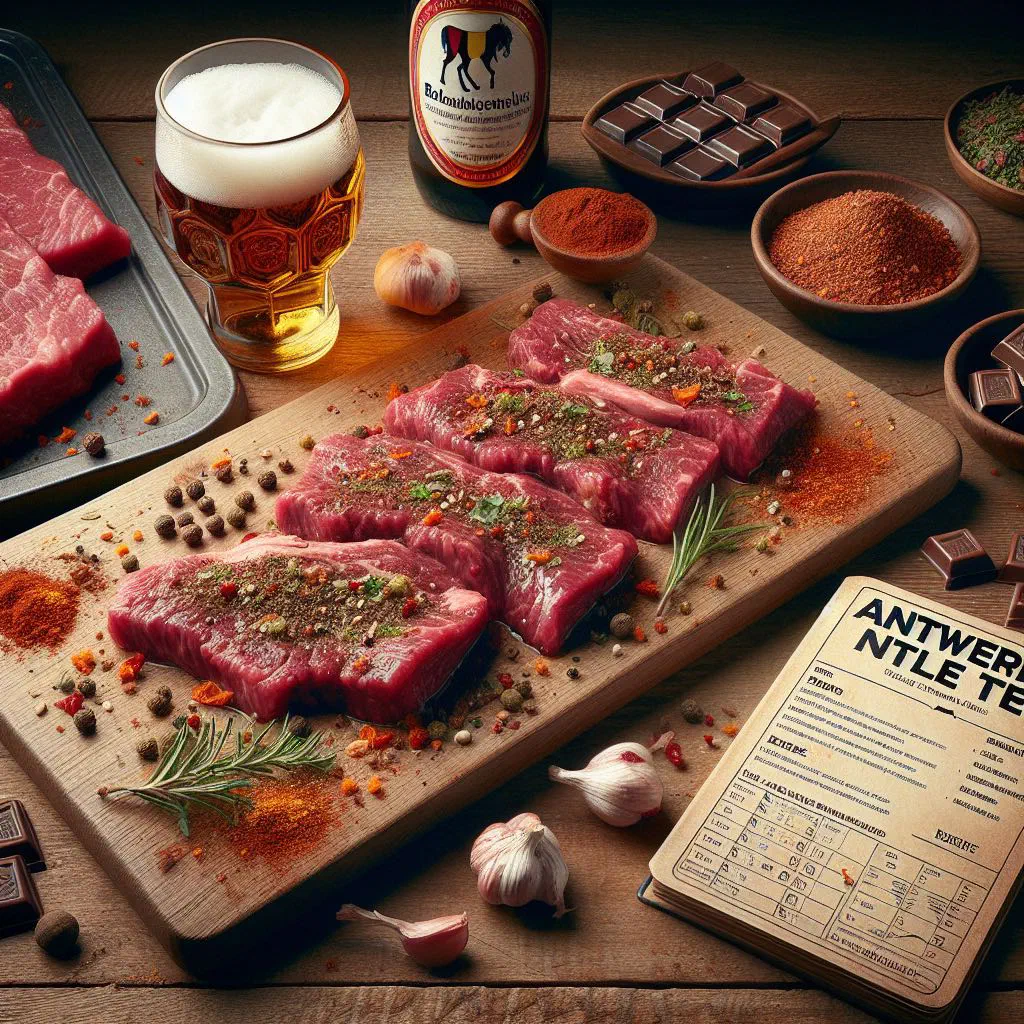
In this article
Filet d’Anvers is Antwerp’s contribution to European charcuterie: beef fillet cured in salt with juniper and pepper, lightly smoked, then air-dried for weeks until it slices into deep red, almost translucent sheets. It is a fixture of the Belgian apéritif table, served with nothing more than good bread and a glass of something cold.
About Filet d’Anvers
Filet d’Anvers is an air-dried, lightly smoked cured beef speciality from Antwerp. The meat matures for weeks in a crust of salt and spices until it develops a firm texture and a concentrated, savoury flavour, at which point it is sliced as thinly as possible. Served as a refined cold cut with drinks, it reflects the salting and smoking traditions of Flanders, where preserving meat through winter was once a household necessity.
Ingredients (serves 1–2)
- 300 g beef fillet, trimmed
- 40 g coarse sea salt
- 10 g sugar
- 1 teaspoon crushed juniper berries
- 1 teaspoon black pepper, coarsely ground
- 1 bay leaf, crumbled
- 1 teaspoon smoked paprika (for the smoky note)
Shopping for the ingredients
Buy the best beef you can afford, with a cure this simple, the meat is the dish. A whole piece of fillet or a well-trimmed piece of eye of round both work. Juniper berries are essential to the flavour and are sold in most spice sections. Smoked paprika stands in for the light smoking that would traditionally happen over beech.
Preparing the dish
Trim the beef of all silverskin and fat, since fat does not cure. Mix the salt, sugar and spices thoroughly. You will need a cool place to dry the meat, a fridge works for the first stage, and a cool cellar or a fridge with a fan for the drying. Have muslin or a clean cloth ready.
Step-by-step instructions
- Rub the beef all over with the salt, sugar and spice mixture.
- Place in a non-metallic dish, cover and refrigerate for 3–4 days, turning daily.
- Rinse off the cure thoroughly and pat completely dry.
- Rub with the smoked paprika and a little extra pepper.
- Wrap in muslin and tie securely.
- Hang in a cool, airy place (or the fridge) for 2–3 weeks.
- The meat is ready when firm throughout and about a third lighter than it started.
- Slice paper-thin against the grain and serve at room temperature.
Gluten-free / lactose-free version
Filet d’Anvers contains neither gluten nor lactose, beef, salt and spices only. It is naturally suitable for both intolerances; only the bread served alongside needs consideration.
Tips for vegans and vegetarians
Cured beef has no genuine plant-based counterpart. For a comparable place on an apéritif board, thinly sliced smoked and marinated beetroot, cured briefly in salt and sugar, then dried, gives a similar deep colour and salty-sweet intensity, and it slices beautifully.
More tips and tricks
Trim every scrap of fat and silverskin; both prevent even drying. Weigh the meat before and during the cure so you can judge the 30 % weight loss accurately. And slice it as thinly as you can manage, a thick slice of cured beef is tough, a thin one melts.
Adapting the recipe to your taste
Coriander seed, thyme or a splash of gin (which echoes the juniper) are all common additions to the cure. Genuine cold-smoking over beechwood for a few hours before drying is the authentic step if you have the equipment. Some producers finish the outside with a heavy coating of cracked pepper.
Ingredient substitutions
Eye of round or topside are cheaper cuts that cure very well. Curing salt (nitrite) improves both colour and safety on longer cures and is worth using. Liquid smoke, used sparingly, substitutes for smoked paprika if you prefer a cleaner smoke note.
Drink pairing ideas
A Belgian blonde or tripel ale is the natural partner and the most local choice. A dry white wine or a chilled Beaujolais also works. For something alcohol-free, sparkling water with lemon keeps the palate clean between slices.
Serving and presentation ideas
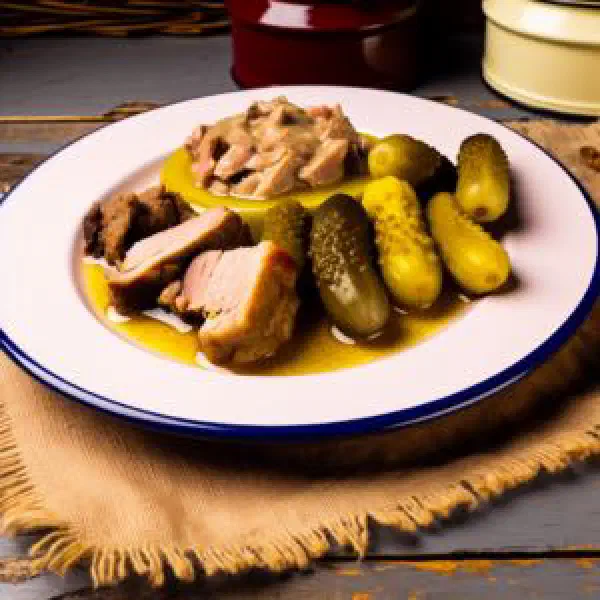
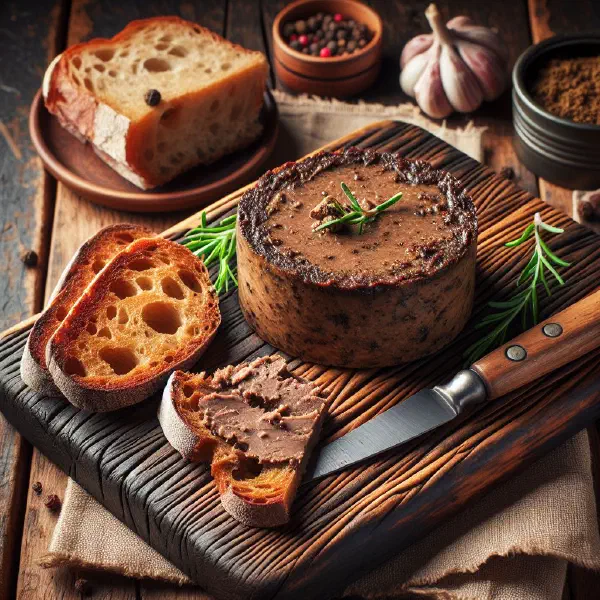
Serve filet d’Anvers in paper-thin slices, fanned across a board with cornichons, pickled onions and good bread. Bring it to room temperature before serving, since cold suppresses the flavour completely. A drizzle of olive oil and a grinding of pepper over the slices is a common Belgian touch.
A bit of history
Antwerp’s position as a great trading port brought both salt and spices in quantity, and the city developed a charcuterie tradition to match. Filet d’Anvers, sometimes called filet de Saxe in a related version, became a delicatessen staple across Belgium in the 19th century and remains a standard offering at butchers and on apéritif tables. It is a genuine window onto Belgian cuisine.
More recipe ideas
Summary: Filet d’Anvers
Filet d’Anvers is beef fillet cured with juniper and pepper, lightly smoked and dried for weeks until it slices translucently thin. Four days of curing, three weeks of patience, and you have Antwerp’s finest contribution to a plate of cold cuts.