National Dish Belgium: Lokerse Paardenworst (Recipe)
In this article
Few Belgian specialities carry as much local pride as the sausage from the small East Flanders town of Lokeren. Coarse, deeply savoury and gently perfumed with nutmeg, it has been made the same way for generations and still turns up at village fairs and family celebrations across the region. This recipe walks you through the whole process at home, from sourcing the meat to filling the casings, and shows you how to adapt it to your own kitchen and your own tastes.
About Lokerse Paardenworst
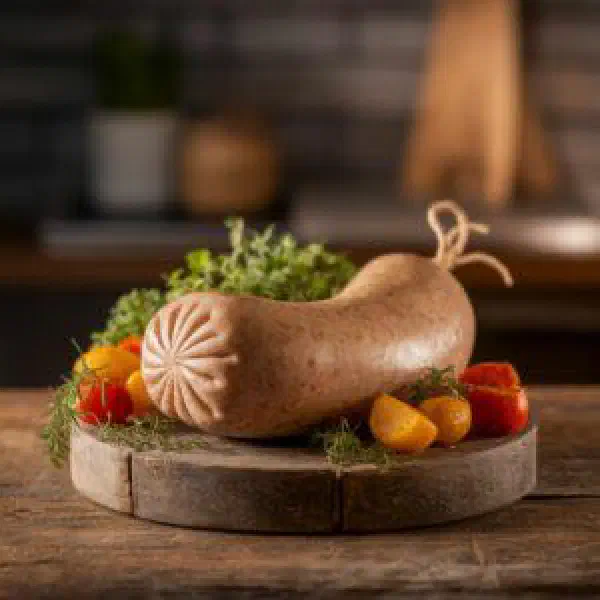
Lokerse paardenworst is a distinctive delicacy from Belgium, treasured above all in and around the town of Lokeren. The sausage is made from good-quality horse meat combined with fresh aromatics and a careful hand with the spices. Its unusual depth of flavour and tender texture make it a genuinely memorable mouthful. For anyone who enjoys Belgian charcuterie, this sausage is both a real treat and an intriguing addition to the next round of culinary adventures.
Ingredients (serves 1–2)
- 250 g horse meat
- 150 g bacon
- 1 onion
- 2 cloves of garlic
- 2 teaspoons ground nutmeg
- 1 teaspoon pepper
- Salt to taste
- Terra di Siena colouring (optional, for colour)
- Sausage casings (sheep or beef)
Shopping for the ingredients
To make Lokerse paardenworst properly, it pays to buy the right ingredients in first-class quality. With horse meat in particular, look for fresh, regionally sourced products. Many butchers now offer specialist cuts and premium meats, and will prepare casings for you on request. Well-stocked supermarkets often stock organic options too, which not only taste better but come from more animal-friendly farming.
Preparing the dish
Before you start making the sausage, some careful groundwork is essential. Finely chop the onion and garlic so the flavours run evenly through the mixture. The horse meat and the bacon should be cut into smaller pieces to make them easier to work. Remember to prepare the casings as well, rinsing them thoroughly and soaking them if needed so they do not stick together when you come to fill them.
Step-by-step instructions
- Blitz the horse meat and bacon in a food processor until you have a smooth, even mixture.
- Add the chopped onion and garlic along with the spices and mix everything together thoroughly.
- Fill the prepared casings with the mixture, taking care that no air pockets form.
- Twist the sausages into even portions and seal the ends securely.
- Poach the sausages in hot water for at least an hour, then fry or grill them to finish.
Gluten-free / lactose-free version
Lokerse paardenworst is naturally gluten-free and lactose-free, provided the ingredients are chosen with care. Check that no additional fillers or ready-made spice blends containing gluten find their way into the mixture. Stick to fresh ingredients and whole spices and the dish stays enjoyable for anyone with an intolerance. That makes this sausage easy to work into a specialist eating plan without any fuss.
Tips for vegans and vegetarians
Although the traditional version is built around horse meat, there are variations for vegans and vegetarians. A good alternative is to make the sausage with plant proteins such as lentils or soya. Add a generous range of spices and aromatic herbs to build an intense flavour even without the meat. Plant-based sausages like these are an excellent way to enjoy the experience without using any animal products, much as a meat-free take on Ardenner Pâté reworks another Belgian classic.
More tips and tricks
To intensify the flavour of Lokerse paardenworst, try working in different regional spices. Experimenting with paprika or caraway can open up new flavour horizons. Smoking the sausages adds another layer of aroma and lifts the whole thing considerably. Take care not to overfill the casings, so the sausages keep an even consistency as they cook.
Adapting the recipe to your taste
The recipe adapts easily to personal preference. Anyone who likes a sharper edge can add chillies or extra pepper. For a milder version, hold back on the strongest spices or reach instead for gentle herbs such as thyme. There are no limits to what you can do here, and every batch can be made to suit exactly the palate you are cooking for.
Ingredient substitutions
If certain ingredients are not available, there are several alternatives. In place of horse meat you can use lean beef, or a mix of poultry, the same approach that gives a Luikse Balletjes mixture its character. The choice of herbs can vary according to taste as well, and a bolder blend takes the result closer to a Boudin Noir. What matters is that any substitute is convincing in both quality and freshness, so the sausage keeps its distinctive flavour.
Drink pairing ideas
The perfect partner is a drink that underlines the sausage’s savoury notes. A robust Belgian beer such as a cloudy Witbier or a fruity red wine both work beautifully with the rich, meaty flavours. For an alcohol-free option, a homemade iced tea or a lemonade with fresh herbs complements the food very neatly. Serve everything well chilled to get the most out of the pairing.
Serving and presentation ideas
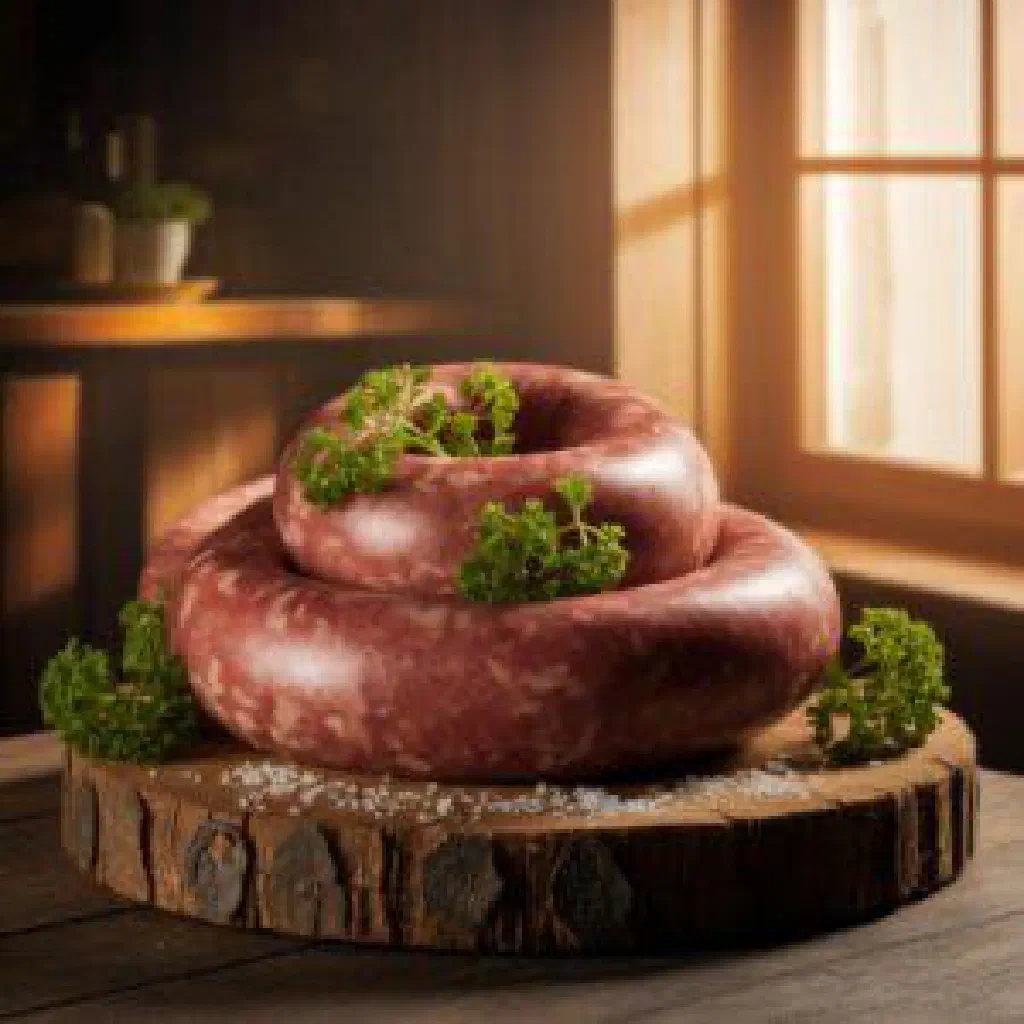
Lokerse paardenworst can be presented in all sorts of creative ways. Serve the sausages on a rustic wooden board with fresh herbs and a few small dips alongside. Alternatively, slice them and arrange them on a plate with colourful vegetables or a crisp salad, a spoonful of Stoemp makes a wonderfully traditional partner. An attractive table setting draws the eye and adds to the pleasure of the meal.
A bit of history
The tradition of Lokerse paardenworst has its roots in Belgian culture, where horse meat has been valued as food for centuries. The method of making it has been handed down from one generation to the next and reflects the rich culinary heritage of the region. In many families, making horse sausage is a fixed part of celebrations and festivals. That gives the dish significance not only in the kitchen but as a deeply rooted part of Belgian cuisine.
More recipe ideas
Summary: Lokerse Paardenworst
Lokerse paardenworst is an unmistakable Belgian speciality, defined by its particular flavour and its long tradition. The recipe offers plenty of scope and adapts readily to individual tastes. With fresh ingredients and a few creative ideas, it slots easily into a home kitchen. Enjoy the sausage that made Lokeren famous, and let it open the door to the wider pleasures of Belgian cooking.