National Dish Belgium: Sirop de Liège (Recipe)
In this article
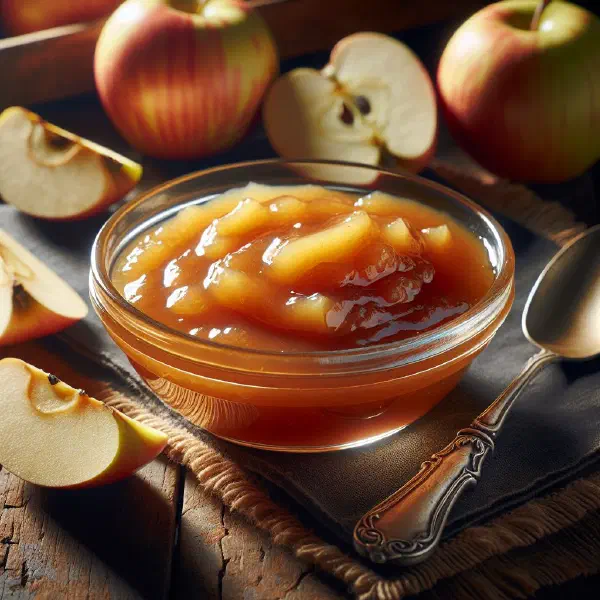
Discover Sirop de Liège, the dark, glossy fruit syrup that Belgians have been spreading on their bread for generations. Slowly cooked down from apples and pears, it is intensely fruity, faintly tart and deep enough in flavour to stand up to a mature cheese. A spoonful lifts breakfast, cheeseboards and puddings alike, and it brings a little corner of Wallonia straight into your kitchen.
About Sirop de Liège
Sirop de Liège is a traditional Belgian delicacy made from a wonderfully simple mixture of apples and pears. This sweet, syrupy preserve has a character all of its own, drawing out the fruitiness of the produce it is made from and concentrating it into something rich and dark. The syrup is most often enjoyed as a spread on fresh bread or as a companion to cheese, and it also lends a lovely sweet note to desserts. It is one of those pantry staples that quietly improves everything it touches.
Ingredients (serves 1–2)
- 500 g apples
- 500 g pears
- 100 g cane sugar
- 1 cinnamon stick
- Juice of half a lemon
Shopping for the ingredients
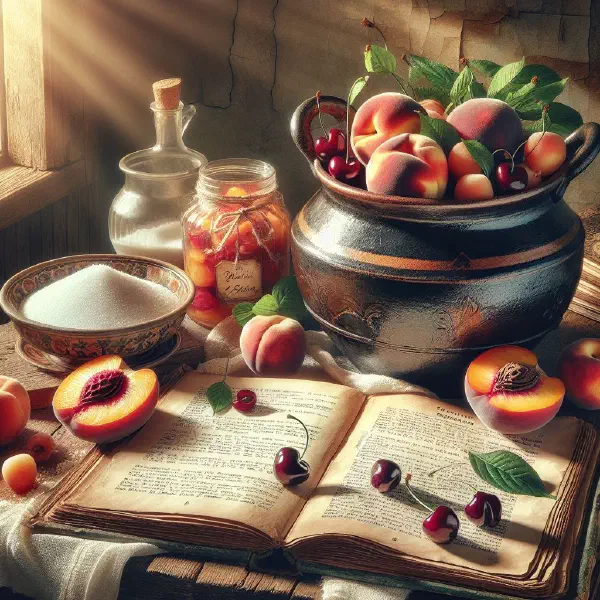
To make Sirop de Liège you need fresh, properly ripe apples and pears. It is worth choosing good-quality fruit, since the character of the orchard fruit feeds directly into the flavour of the finished syrup. The cane sugar should be of decent quality too, so the sweetness comes through cleanly. Extras such as cinnamon and lemon juice are easy to find anywhere and do a great deal to round out the aromas.
Preparing the dish
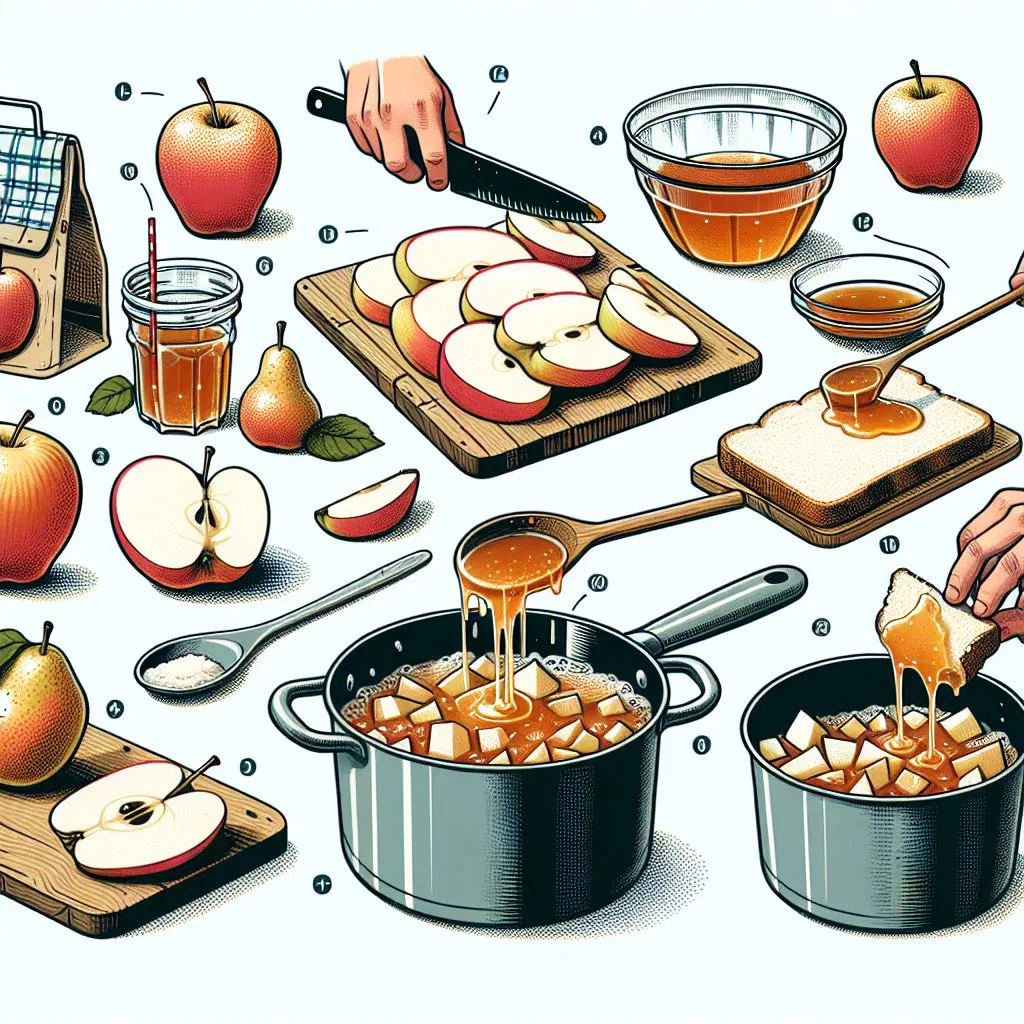
Before you start cooking Sirop de Liège, wash the fruit thoroughly and remove the cores. Cut the apples and pears into small pieces so they break down more quickly in the pan. The cinnamon stick simply needs to be set aside until it is called for. Good preparation is what keeps the whole process running smoothly from start to finish.
Step-by-step instructions
- Tip the chopped fruit into a large saucepan.
- Add the cane sugar and the lemon juice.
- Drop in the cinnamon stick.
- Bring the mixture slowly to the boil over a low heat, stirring regularly.
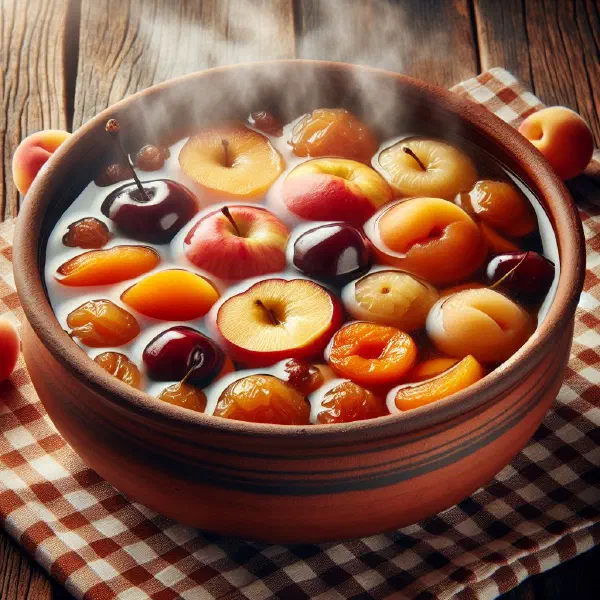
- Simmer for about 30 minutes, until the fruit is soft and the liquid has taken on a syrupy consistency.
- Pass the syrup through a fine sieve to remove the solids.
- Store the finished Sirop de Liège in sterilised jars.
Gluten-free / lactose-free version
Sirop de Liège is naturally gluten-free and lactose-free, so you can enjoy it without a second thought whether you have a gluten intolerance or a lactose intolerance. Do take care when you combine it with other foods, though, and check that the bread, biscuits or dairy you serve alongside it meet the same requirements.
Tips for vegans and vegetarians
Sirop de Liège is an excellent choice for vegans and vegetarians, as it contains nothing but plant-based ingredients. If you want the whole plate to stay vegan, choose your bread and cheese accordingly. The syrup itself makes a superb sugar substitute in many vegan desserts and spreads, offering a rich, fruity alternative to refined sweeteners, the same principle that makes fruit-led bakes such as Appelgebak so easy to adapt.
More tips and tricks
To get the very best from Sirop de Liège, pay attention to the balance of apples and pears. Different varieties bring different levels of sweetness and acidity, and a slightly tart apple keeps the syrup from becoming cloying. A few drops of vanilla extract will round the flavour and give it a distinctive finish. It is also worth experimenting with different types of cinnamon until you land on the profile you like best.
Adapting the recipe to your taste
The recipe for Sirop de Liège takes happily to adjustment. Vary the ratio of apples to pears to shift the flavour in one direction or the other, and adjust the sugar to suit your palate. If you prefer things less sweet, simply reduce the cane sugar or reach for an alternative sweetener. A longer, slower reduction will also give you a thicker, more concentrated syrup.
Ingredient substitutions
If you do not have everything to hand, or you simply fancy a change, several ingredients swap out easily. Quinces make a fine stand-in for the pears and bring a beautifully perfumed note. In place of cinnamon, a hint of nutmeg offers an interesting variation. Small changes like these can give the syrup an entirely new character, much as they do in spiced Belgian classics such as Speculaas.
Drink pairing ideas
Sirop de Liège goes remarkably well with a wide range of drinks. It works beautifully with hot drinks such as tea or coffee, where its sweetness softens any bitterness. It can also be used in cocktails or as a sweetener for smoothies. And since Belgium knows a thing or two about brewing, a glass of Witbier alongside a cheese-and-syrup board is never a bad idea.
Serving and presentation ideas
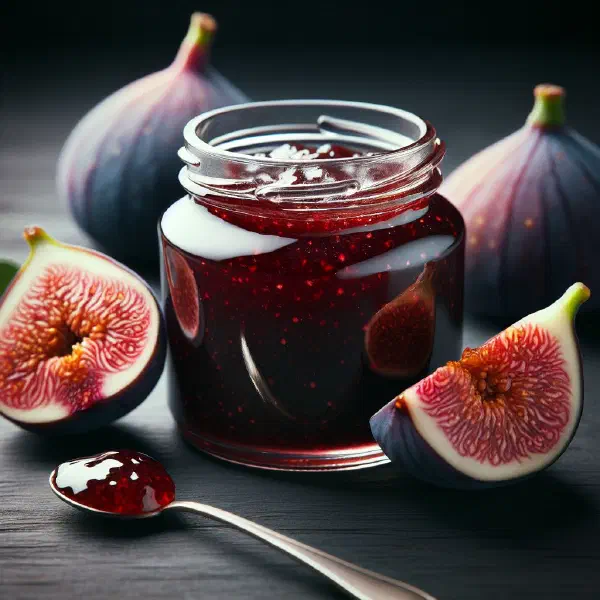
To serve Sirop de Liège attractively, present it in small glass jars surrounded by fresh fruit. Table linens and napkins that pick up the warm colours of the syrup add to the effect. Best of all, pair it with a selection of cheeses on a wooden cheeseboard for a relaxed spread with friends, perhaps with a slice of Mattentaart to finish. A thoughtful presentation makes the whole experience that much nicer.
A bit of history
Sirop de Liège has a long tradition in Belgium and has been produced for centuries. Originally, farmers used the slow reduction as a way of preserving surplus fruit through the winter months. That history and the enduring craft production behind it make the syrup a symbolic part of Belgian heritage. Interest in traditional recipes and regional products has grown considerably in recent years, and this dark orchard syrup is once again enjoying a well-deserved revival within Belgian cuisine.
More recipe ideas
Summary: Sirop de Liège
Sirop de Liège is a delicious and endlessly useful ingredient that captures the culinary heritage of Belgium perfectly. Fresh apples and pears, reduced slowly with cinnamon and a little sugar, produce a unique syrup that gives so many dishes a lift. Whether spread on bread, served with cheese or stirred into a dessert, it is a genuine treat. Let its history and sheer versatility inspire you to make a jar of your own.