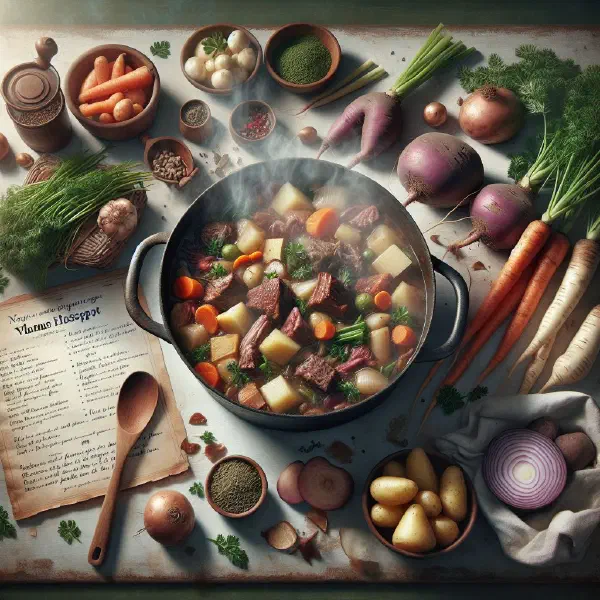
National Dish Belgium: Stoemp (Recipe)

In this article
Discover Stoemp, the homely Belgian classic that turns a handful of humble ingredients into something genuinely comforting. Creamy mashed potatoes are folded together with fresh seasonal vegetables until the whole thing is soft, buttery and quietly satisfying. It is rustic cooking at its best, the sort of dish that fills a kitchen with warmth and needs no fuss at all. Bring the flavours of Belgium to your own table with this straightforward recipe.
About Stoemp
The Belgian dish Stoemp is a real treat for the senses and makes perfect comfort food. It brings together the creamy texture of mashed potatoes and fresh vegetables, which makes it not only delicious but nourishing too. The choice of vegetable can vary, with carrots, leek and spinach among the most popular. The dish is a lovely way to put seasonal produce to tasty use and offers a glimpse into rustic Belgian home cooking.
Ingredients (serves 1–2)
- 400 g waxy potatoes
- 200 g fresh vegetables (carrots, leek or spinach, for example)
- 100 ml milk
- 40 g butter
- Salt and pepper to taste
- Optional: sausage or other accompaniments
Shopping for the ingredients
To make an authentic Stoemp, it is important to use fresh, good-quality ingredients. Visit a local market or farm shop if you can, and pick your vegetables according to the season. When buying potatoes, look for firm ones without green patches, as those can taste bitter. Fresh milk and regional butter will refine the flavour of your dish even further.
Preparing the dish
Before you start cooking, wash, peel and chop all the ingredients thoroughly. Cut the vegetables to a size that lets them cook evenly. If you would like to add sausage or another side, you can prepare that in advance too. Keep everything within easy reach so the cooking process runs smoothly from start to finish.
Step-by-step instructions
- Peel the potatoes and bring them to the boil in a large pan of salted water.
- Add the vegetables once the potatoes have cooked for about 10 minutes, so they turn tender without going mushy.
- Drain the potatoes and vegetables and tip them into a bowl.
- Add the butter and milk and combine everything well with a potato masher.
- Season with salt and pepper and serve.
- If you like, arrange the sausage alongside and garnish with freshly chopped parsley.
Gluten-free / lactose-free version
No special adjustments are needed for a gluten-free Stoemp, as the main ingredients are naturally free of gluten. If you replace the milk and butter with plant-based alternatives such as oat milk and margarine, you can enjoy the dish lactose-free as well. Do check that any sausage you serve alongside is gluten-free, and read the labels carefully to make sure the products suit your needs.
Tips for vegans and vegetarians
Vegans can make Stoemp very easily by swapping the milk for a plant-based alternative and the butter for vegan margarine. The dish takes beautifully to a wide range of vegetables, so you can build in different flavours as you please. Adding plant protein such as chickpeas or lentils will boost its nutritional value, and fresh herbs bring extra aroma and vitamins without any animal products at all.
More tips and tricks
To make your Stoemp more interesting still, try spices such as nutmeg or garlic to intensify the flavour. Frying the vegetables before mashing releases extra aroma and adds a lovely, lightly caramelised note. Experiment with different combinations of potato and vegetable until you find your own favourite version. Keep an eye on the texture as you go and add a splash more milk if the dish looks too dry.
Adapting the recipe to your taste
Stoemp is remarkably adaptable and suits all sorts of culinary preferences. If you like things especially hearty, add bacon or ham, the same savoury instinct behind Frites met Stoofvlees. For a Mediterranean twist, experiment with feta and olives. You can also make the dish look striking by combining vegetables of different colours, such as beetroot or pumpkin, so both the flavour and the presentation become more exciting.
Ingredient substitutions
If you do not have certain ingredients to hand, there are plenty of alternatives for Stoemp. Sweet potatoes can stand in for regular potatoes and lend the dish a gentle sweetness. Frozen vegetables are a practical option outside the growing season. A plant-based cream will also give you that creamy texture, and smoked cheese in place of the usual butter adds real depth of flavour.
Drink pairing ideas
A hearty dish like Stoemp goes well with a whole range of drinks. A lightly chilled blonde beer or a fruity white wine such as Sauvignon Blanc makes an ideal companion, Belgium’s brewing tradition runs deep, as any glass of Witbier will remind you. For alcohol-free options, homemade lemonade or a fruity sparkling water blend will underline the flavours nicely. A strong tea also harmonises with the savoury notes and offers a pleasant, warming addition.
Serving and presentation ideas
Presenting your Stoemp well can noticeably improve the whole meal. Serve it in a large bowl and garnish with fresh herbs such as parsley or chives for a splash of colour. An extra grind of fresh pepper intensifies both the look and the taste. Using small dishes for the accompaniments also makes the table more inviting and lets guests help themselves.
A bit of history
Stoemp has its roots in traditional Belgian cooking and is a classic often made in rural households. It is a simple dish that was traditionally put together from leftovers, and it shows the resourcefulness of Belgian home cooks. Regional versions of Stoemp are frequently served as a side to meat dishes such as Stoofvlees, because it complements the flavours of everything around it. Today it has become a much-loved staple of Belgian cuisine, enjoyed in restaurants and at home alike.
More recipe ideas
Summary: Stoemp
In short, Stoemp is a versatile and delicious dish that can be served formally or kept refreshingly casual. It is an excellent way to enjoy seasonal ingredients and a tasty base for all sorts of variations. If you would like to discover the flavours of Belgium, this traditional recipe is well worth a try. Its simple preparation and endless scope for personal tweaks make it a must in any kitchen.