National Dish Belgium: Stoofvlees (Recipe)
In this article
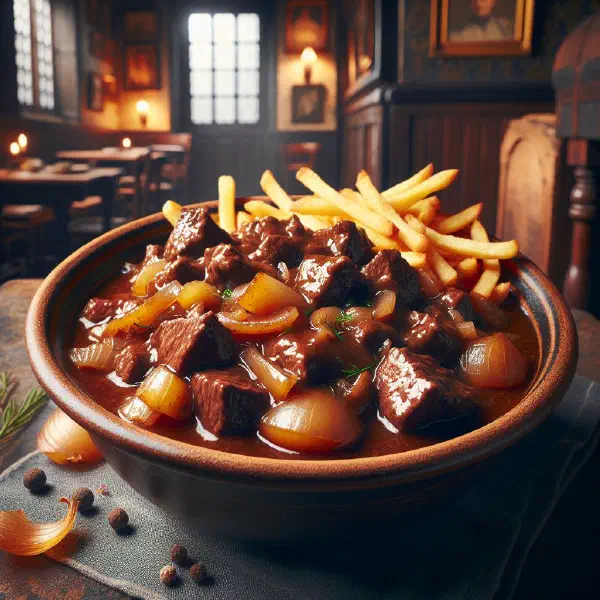
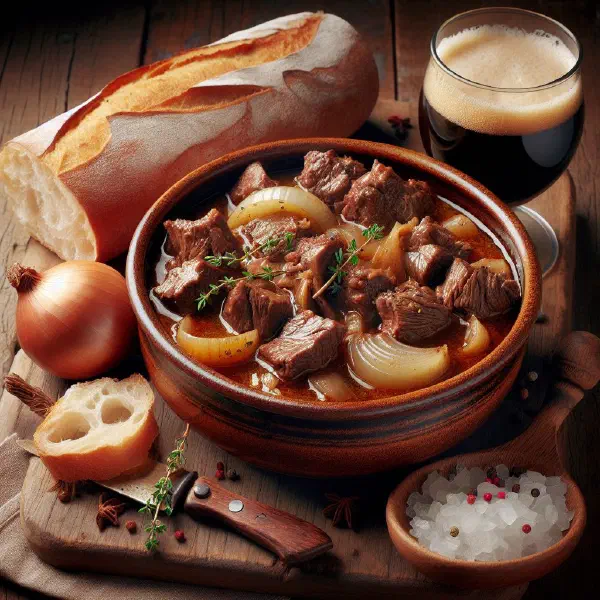
Meet Stoofvlees, Belgium’s celebrated beef stew, meltingly tender meat simmered for hours in dark, malty beer with mustard, bay and thyme. It is the kind of slow, unhurried cooking that fills the whole house with warmth long before the pot comes to the table. Serve it with crusty bread or a heap of golden chips and you have a dish that says more about Belgian hospitality than any menu ever could.
About Stoofvlees
Stoofvlees, also known as Belgian beef stew, is a classic dish rooted deep in Belgian cuisine. The combination of tender beef, characterful beer and a generous handful of aromatic spices makes it a genuine treat. Slow braising is what does the real work here: the meat turns exceptionally soft while the flavours unfold beautifully in the pot. Stoofvlees is more than a meal. It is an experience that spoils the palate and reflects the warmth of Belgian hospitality.
Ingredients (serves 1–2)
- 500 g beef (shoulder or brisket, for example)
- 2 onions, diced
- 2 cloves of garlic, chopped
- 1 bottle of Belgian beer (330 ml)
- 2 tablespoons mustard
- 2 bay leaves
- 1 teaspoon thyme
- Salt and pepper to taste
- 2 tablespoons oil, for browning
- 380 ml beef stock
Shopping for the ingredients
With stoofvlees it is well worth paying attention to the quality of the beef. Fresh, well-marbled meat gives you the best possible result in the pot. Head to a local butcher or a supermarket you trust to find the finest cuts. The right beer matters just as much, a heavy, malty Belgian beer shapes the character of the finished stew more than any other single ingredient.
Preparing the dish
Before you start cooking, take a few minutes to get everything ready. Cut the beef into even cubes so it cooks through at the same rate, and chop the vegetables to a consistent size for the same reason. Make sure all the flavouring ingredients, the mustard, the bay, the thyme, are within reach before the pan goes on the heat.
Step-by-step instructions
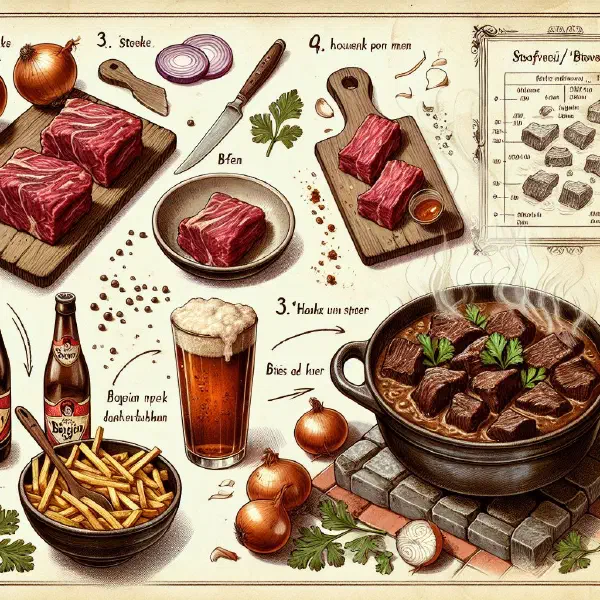
- Brown the beef in a large pan with the oil over a medium heat until nicely coloured on all sides.
- Add the onions and garlic and fry briefly until softened.
- Stir in the mustard, bay leaves and thyme, then pour in the beer.
- Top up with the beef stock, bring the mixture to the boil, then lower the heat.
- Leave the stew to braise gently for at least 2 hours, until the meat is completely tender.
Gluten-free / lactose-free version
To make Stoofvlees gluten-free and lactose-free, reach for a gluten-free beer. Check that the beef stock you use is also certified gluten-free, as many commercial versions are not. Lactose-free stock alternatives are widely available too. Beyond that, simply avoid any added ingredients containing lactose and the dish becomes suitable for guests with intolerances.
Tips for vegans and vegetarians
For a vegan or vegetarian take on stoofvlees, swap the beef for plant-based alternatives such as jackfruit or seitan, both of which hold up well to long braising. Replace the beef stock with a good vegetable stock, and choose a beer that contains no animal-derived finings. Done this way, vegan and vegetarian cooks get to enjoy exactly the same hearty, savoury depth as everyone else at the table.
More tips and tricks
To deepen the flavour of stoofvlees, leave the meat to marinate overnight so it can take on the aromatics properly. Additional spices such as paprika and allspice add further complexity if you like a bolder result. A longer cooking time almost always yields a richer stew, which makes this an ideal dish to prepare ahead for festive occasions, much like a slow-simmered Vlaamse Hutsepot.
Adapting the recipe to your taste
Everyone has their own idea of what a good stew should taste like, and stoofvlees is flexible enough to accommodate all of them. Add extra vegetables such as carrots or celery for more variety and body. Changing the beer changes the dish entirely, a dark abbey ale gives sweetness and depth, while a lighter brew keeps things fresher. Experiment with the ingredients until you land on your own favourite version.
Ingredient substitutions
If certain ingredients are not to hand, there are usually workable alternatives. Instead of beef you can use other meats such as lamb or pork with good results. The beer can be replaced with stock or water, though you do lose a great deal of flavour in the exchange. For a meat-free version, mushrooms make a tasty stand-in that preserves the savoury character of the dish, in the same spirit as Gegratineerde Witloof.
Drink pairing ideas
Stoofvlees goes beautifully with hearty, malty beers, or with a full-bodied red wine. A cool Belgian Witbier is another excellent choice. If you are after something alcohol-free, try a well-spiced ginger ale or a herbal tea that echoes the aromatics in the pot. These pairings genuinely lift the meal and deserve as much thought as the cooking itself.
Serving and presentation ideas
The presentation of stoofvlees benefits enormously from rustic crockery and fresh herbs. Serve the stew in a deep bowl or an attractive casserole dish, garnished with fresh parsley or thyme. A portion of crusty bread or a generous helping of chips alongside completes the picture, the classic pairing celebrated in Frites met Stoofvlees. And do not forget to offer the beer you cooked with; it rounds off the whole spread perfectly.
A bit of history
Stoofvlees has its origins in rural Belgian cooking and was traditionally a dish of ordinary working people. It was originally made from less prized cuts of meat, which slow braising rendered wonderfully tender. The word stoof means “to braise” in Dutch, and the dish reflects the Belgian fondness for hearty, substantial food. Within Belgian cuisine it has become a marker of regional pride, and no festive table feels complete without it.
More recipe ideas
Summary: Stoofvlees
In short, stoofvlees is not only a delicious dish but a genuinely historic one within Belgian cooking. The long cooking time and the use of quality ingredients produce a harmonious depth of flavour that suits a celebration and a quiet weeknight supper equally well. Thanks to its adaptability, you can tune the recipe precisely to your own taste and work through any number of variations. Enjoy this tender beef stew with a side of your choosing, and let the flavours of Belgium work their magic.