National Dish Belgium: Witbier (Recipe)
In this article
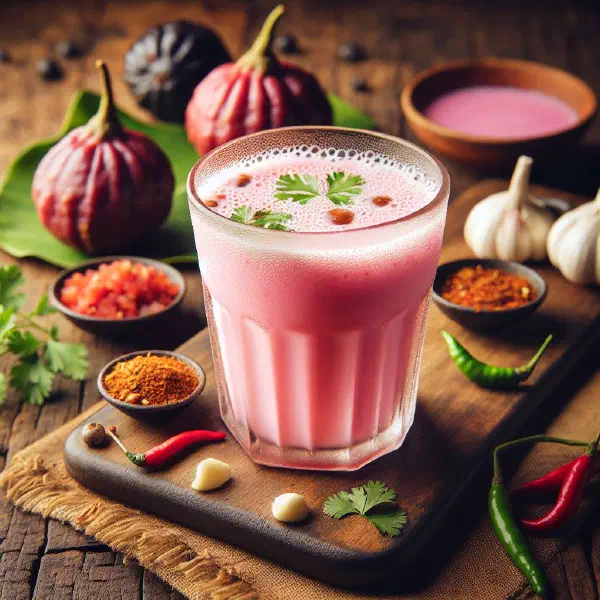
Say hello to Witbier, Belgium’s cloudy, sunshine-coloured wheat beer. Brewed with a generous proportion of wheat and gently spiced with coriander and dried orange peel, it is bright, softly tart and endlessly refreshing. A glass of it turns a summer picnic or a lazy afternoon in the garden into something quietly special, and with a little patience you can brew your own batch at home.
About Witbier
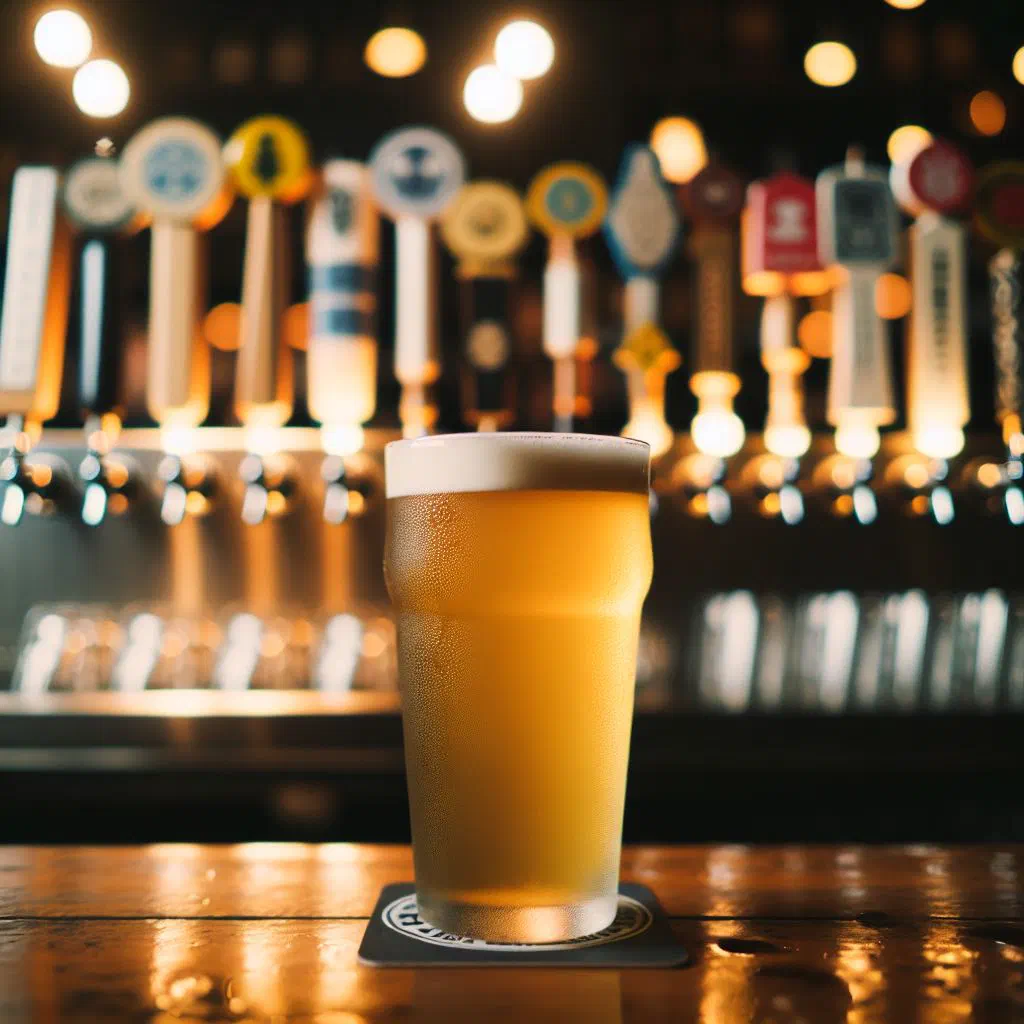
Witbier is a classic Belgian wheat beer, instantly recognisable by its hazy, pale golden colour and its wonderfully refreshing character. It is traditionally brewed with a high proportion of wheat, which gives it a distinctive liveliness on the palate and that soft, creamy head. Aromatic additions such as coriander seed and dried orange peel bring an extra lift of freshness, making it an ideal drink for warm days. Firing up the barbecue or simply unwinding after work, a witbier is always a good decision.
Ingredients (serves 1–2)
- 250 g wheat malt
- 250 g barley malt
- 20 g coriander seed
- 10 g dried orange peel
- 5 g hops (Hallertau, for example)
- 11 g dried yeast
- 1 l water
Shopping for the ingredients
Brewing witbier calls for a handful of specialist ingredients, most of which are easy to find in a well-stocked supermarket or a home-brewing supplier. When shopping, pay close attention to the quality of the malt and the hop variety you choose, as both shape the finished beer. Fresh coriander seeds and good orange peel are decisive for an authentic flavour. Gather everything before you start so the brew day runs smoothly from beginning to end.
Preparing the dish
Preparation begins with milling the malts. It is important not to grind them too finely, so that the aromas can be extracted properly during the mash. Measure your water carefully, since the ratio directly influences the brewing process and the strength of the finished beer. Having everything weighed out and to hand gives you far better control over each stage.
Step-by-step instructions
- Heat the water in a large pan and stir in the milled malt mixture.
- Mash the mixture at 65–70 °C for about an hour.
- Raise the temperature to 78 °C, then strain off the liquid.
- Transfer the wort to a second pan, add the hops, coriander and orange peel and boil for 30 minutes.
- Leave to cool after boiling, then pitch the dried yeast.
- Ferment the beer at room temperature for at least a week.
- Once fermentation is complete, bottle the beer and condition it for a further two weeks.
Gluten-free / lactose-free version
If you would rather avoid gluten, gluten-free malts make a perfectly workable substitute. Rice malt or buckwheat malt are excellent alternatives and are stocked by most specialist suppliers. When working with gluten-free ingredients, check that everything else, the yeast in particular, is also certified gluten-free. That way, anyone with a gluten intolerance can still enjoy a glass of homemade witbier.
Tips for vegans and vegetarians
Witbier is naturally vegan, as no animal products are involved in the brewing itself. Even so, it is worth checking the labels, especially on the yeast, to make sure nothing has been processed with animal-derived finings. Scale back the coriander a little if you prefer a gentler, less perfumed flavour. Choosing organic ingredients can also lift both the taste and the overall quality of your beer.
More tips and tricks
The single biggest factor in a good witbier is holding a steady temperature, both during the mash and throughout fermentation. Consistency here gives far better results than any clever ingredient. Be meticulous about hygiene too, since stray bacteria are the quickest route to a spoiled batch. Once you are confident with the basics, try experimenting with additions such as cinnamon or fresh ginger to give your beer a signature note.
Adapting the recipe to your taste
Everyone’s palate is different, and this recipe is easy to adapt. Prefer things fruitier? Add more orange peel, or swap in another citrus such as lemon or grapefruit. For a more assertive, resinous character, reach for a different hop variety or increase the boil addition slightly. There are no real limits here, the pleasure lies in shaping a witbier that tastes exactly the way you want it to.
Ingredient substitutions
If something on the list proves hard to track down, substitutions are usually straightforward. Fennel seed can stand in for coriander, bringing a gentle aniseed note in its place. Hop varieties are interchangeable as well, so pick an aromatic one that appeals to you. Be bold and experiment, the same spirit of improvisation that gives dishes like Stoemp their regional variety works just as well in the brew kettle.
Drink pairing ideas
Witbier is a drink in its own right, but it also sits beautifully alongside other refreshments at the table. A chilled sangria or a light white wine complements its citrus notes nicely without competing with them. For alcohol-free options, fruity lemonades or a sparkling kombucha work particularly well. The beer itself is a natural partner for classic Belgian food, from Moules Frites to a rich, slow-cooked Carbonade Flamande.
Serving and presentation ideas
Presentation makes a real difference to how a witbier is enjoyed. Use clear glasses so the attractive haze and the thick, foamy crown are on full display. Garnish the rim with a slice of fresh orange or a sprig of mint for an extra flourish. Getting the serving temperature right, around 5–7 °C, ensures the delicate spice aromas come through at their best rather than being muted by the cold.
A bit of history
Witbier has a long tradition in Belgium stretching back to the Middle Ages. It was originally brewed in monasteries and offered a fragrant, approachable alternative to the harsher, bitter beers of the day. Spices and fruit were widely used at the time to brighten and preserve beer, a habit that survives in the coriander and orange peel of the modern recipe. Today witbier is enjoyed the world over and is a proud ambassador for Belgian cuisine and its modern brewing craft.
More recipe ideas
Summary: Witbier
In short, witbier is a refreshing and remarkably versatile beer that is well within reach of any home brewer. With a short list of good-quality ingredients and a little patience, you can create something genuinely distinctive. The scope for tweaking and experimenting makes it an engaging project for beginners and seasoned brewers alike. Pour your homemade witbier at a gathering with friends, or simply enjoy a glass on your own, either way, it is time well spent.