National Dish Belize: Creole Bread (Recipe)
In this article
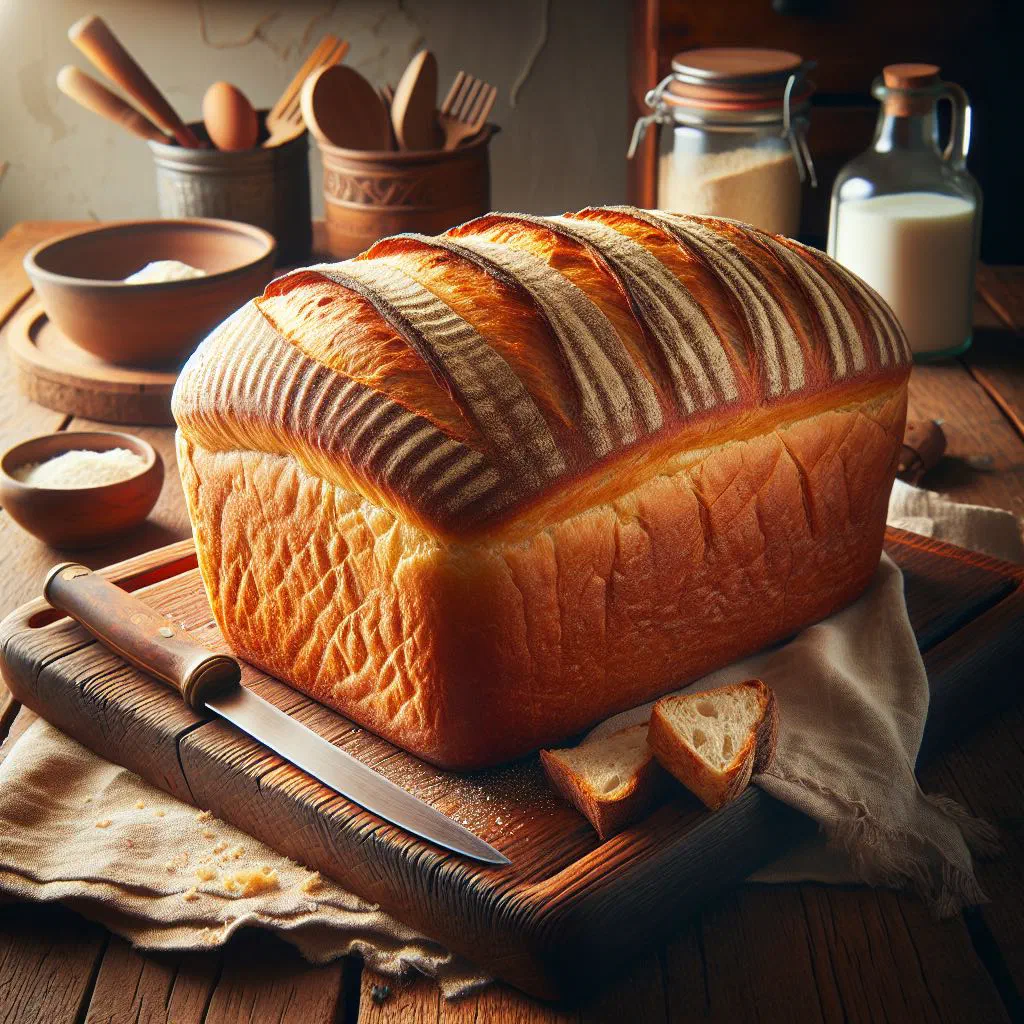
Meet Creole Bread, a soft, airy loaf that carries the warmth of the Caribbean straight to your kitchen. A cherished staple across Belize, it turns up at almost every meal, from a simple breakfast to a hearty family supper. With just a handful of everyday ingredients and a gentle, unfussy method, this bread rewards even first-time bakers with a tender crumb and a golden crust. Bake a loaf and bring a little slice of Belizean comfort to your table.
About Creole Bread
Creole Bread is a much-loved Belizean speciality that puts Caribbean culture on the plate. This light, airy loaf wins people over with its distinctive flavour and soft, pillowy texture. Traditionally it is a staple food in Belize, served alongside nearly every meal of the day. Its simple ingredients and straightforward preparation have made it a firm favourite among home bakers around the world, and it sits comfortably within the wider tradition of Belizean cuisine, much like the everyday Belizean Powder Buns.
Ingredients (serves 1–2)
- 2 cups plain flour
- 1 cup water
- 1 teaspoon salt
- 1 teaspoon sugar
- 1 packet dried yeast (about 7g)
- 2 tablespoons vegetable oil
Shopping for the ingredients
The ingredients for Creole Bread are easy to find and stocked in most supermarkets. Look out for good-quality plain flour and fresh yeast to give yourself the best possible result. Vegetable oil is an important addition, lending the loaf both its moisture and its gentle richness. With a little planning you can gather everything you need in a single shop.
Preparing the dish
Before you begin making the Creole Bread, it helps to gather all your ingredients and set up a suitable work surface. Clean your bowls and utensils so the whole process stays hygienic from start to finish. A stand mixer makes light work of the kneading, but you can just as easily bring the dough together by hand. Handling the dough gently is the key to the right texture and that signature airy crumb.
Step-by-step instructions
- In a large bowl, combine the flour, salt, sugar and yeast.
- Add the water and the vegetable oil, then knead thoroughly until the dough is smooth and elastic.
- Place the dough in a lightly oiled bowl, cover it, and leave it to rise in a warm spot for about 1 hour, until doubled in size.
- Turn the dough out onto a floured surface, knead it briefly and shape it as you like.
- Line a baking tray with baking paper, set the shaped loaf on top and leave it to prove for another 30 minutes.
- Preheat the oven to 180°C and bake the bread for about 25–30 minutes, until golden brown.
- Once baked, let the loaf cool on a wire rack, then enjoy.
Gluten-free / lactose-free version
Making Creole Bread gluten-free is perfectly possible using a gluten-free flour blend. Just be sure the yeast is gluten-free too, so the loaf rises properly. For a lactose-free version the recipe needs little adjustment, as it already relies on vegetable oil rather than butter. With these small tweaks, anyone with particular dietary needs can enjoy this delicious bread.
Tips for vegans and vegetarians
The Creole Bread recipe is naturally vegan, as it contains no animal products at all. To make the loaf especially nutritious, you can stir in a handful of healthy seeds such as chia or linseed. These additions bring an interesting texture and extra health benefits. Mix everything well to ensure the seeds are evenly distributed throughout the dough.
More tips and tricks
For an extra-soft loaf, give the dough a longer rise, the more air it takes on, the lighter the finished bread will be. Use a loaf tin for a neat, even shape, or shape the dough freehand for a more rustic look. A plaited or twisted form can add an attractive finishing touch, turning a simple bake into a real centrepiece.
Adapting the recipe to your taste
Creole Bread can be adapted to suit your own preferences. Stir in herbs such as rosemary or thyme, for instance, and the loaf takes on a lovely aroma. Experiment with different flours or fold in whole grains for more texture and depth of flavour. Your own creative touches are what make each loaf unique and personal.
Ingredient substitutions
Instead of plain flour, you can use wholemeal flour to give the bread a nutty character. For a sweeter loaf, try honey or maple syrup in place of the sugar. And if you would rather not use vegetable oil, olive oil brings a subtle Mediterranean note. Swaps like these add variety to your baking and broaden the flavour possibilities, just as they do in the sweeter Belizean Sweet Potato Pudding.
Drink pairing ideas
Creole Bread goes wonderfully with Caribbean drinks such as a Rum Punch or fresh fruit juices like Soursop Juice. A cup of coffee or black tea makes an equally good companion. For a lighter option, consider an aromatic herbal tea, which complements the flavour of the bread beautifully. Let your imagination guide you and pick the drink that suits your taste best.
Serving and presentation ideas
The presentation of Creole Bread is easily lifted with a rustic bread basket or a wooden board. Slice the loaf and arrange it neatly, garnished with fresh herbs or served with a small dip alongside. A pretty cloth wrapped around the basket rounds off the whole picture. An inviting presentation like this is sure to impress your guests and heighten the pleasure of every bite.
A bit of history
Creole Bread has its roots in Caribbean culture and has been baked in Belize for generations. It is a symbol of the country’s diverse cuisine, which draws together influences from many different traditions. The bread’s simple preparation reflects the resourceful way of life in Belize, where cooks often work with whatever ingredients are close to hand. Today it is enjoyed not only by locals but by visitors too, appearing in all sorts of variations across the country.
More recipe ideas
Summary: Creole Bread
In short, Creole Bread is a piece of Belizean culture. The combination of everyday ingredients and an easy method means anyone can give this delicious bread a go. It brings a touch of the Caribbean to your table. Let it inspire you, and treat your family and friends to the warm, welcoming flavours of Belize.