National Dish Benin: Ablo Blanc (Recipe)
In this article
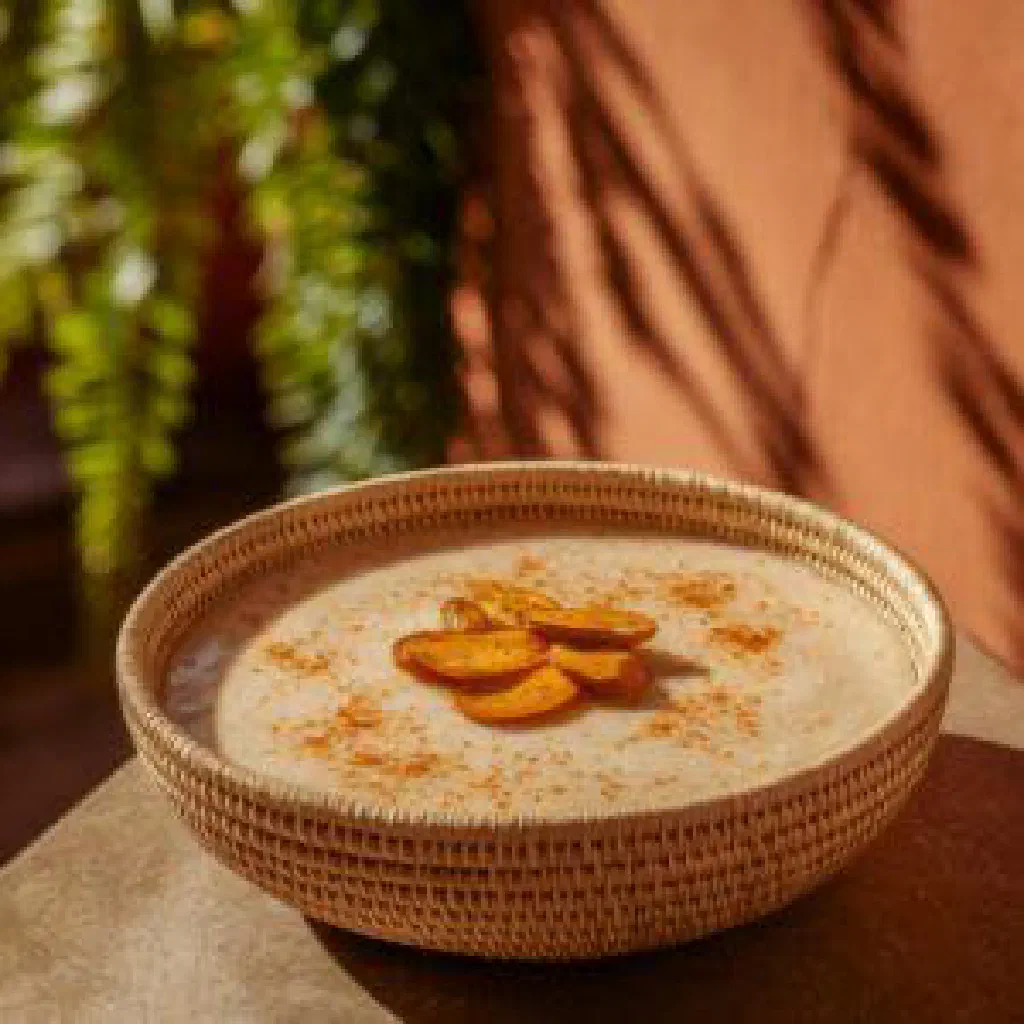
Say hello to Ablo Blanc, the gently steamed cornmeal speciality that sits at the heart of Benin’s table. Pale, soft and faintly sweet, it is the sort of dish that asks for very little and gives back a great deal, a handful of pantry staples, a pan of simmering water and about half an hour of unhurried stirring. Serve it as a pillowy side to a fiery sauce or let it take centre stage, and you have a taste of West Africa that any home cook can master first time.
About Ablo Blanc
Ablo Blanc is not only the national dish of Benin but a genuine highlight of West African cuisine. It is built almost entirely on cornmeal and is prized for its tender, airy texture. Ablo Blanc works equally well as a side dish or as a main course, which makes it a wonderfully versatile choice for any meal of the day. It is most often paired with a spicy sauce or with fresh vegetables, and it lifts everything served alongside it, much as the closely related Ablo does.
Ingredients (serves 1–2)
- 200 g cornmeal
- 500 ml water
- 1 pinch of salt
- 1–2 tablespoons oil (palm oil or olive oil, for example)
Shopping for the ingredients
When shopping for Ablo Blanc, it pays to choose good-quality cornmeal, as it determines both the flavour and the texture of the finished dish. Many Afro-Caribbean and international grocers stock the fine-milled cornmeal that suits dishes like this one best. Fresh vegetables and spices matter too, since they supply the extra dimension of flavour that makes the dish sing. Remember to pick up a sauce or two as well to round the meal out.
Preparing the dish
Preparation for Ablo Blanc is quick and straightforward, though a few steps deserve care if you want a flawless result. Begin by laying out all your ingredients and bringing the water to the boil in a large pan. Mix the cornmeal thoroughly with the salt before adding it to the boiling water a little at a time. Stir constantly as you go: this is what prevents lumps and gives you the smooth, even consistency the dish is known for.
Step-by-step instructions
- Bring 500 ml of water to the boil in a large pan.
- Combine the cornmeal with a pinch of salt in a bowl.
- Stir the cornmeal gradually into the boiling water.
- Keep stirring until the mixture is completely smooth.
- Cook the batter for a few minutes over low heat, stirring all the while.
- Pour in the oil and mix through well.
- Take the Ablo Blanc off the heat and shape it as you like.
Gluten-free / lactose-free version
Ablo Blanc is naturally gluten-free, which makes it a perfect choice for anyone with a gluten intolerance. It is just as easily lactose-free, since no dairy products are needed at any stage. Simply check that every ingredient you use, oils and sauces in particular, is also free from gluten and lactose. That way you can enjoy a delicious plate of food without compromising on your dietary needs.
Tips for vegans and vegetarians
For vegans and vegetarians, Ablo Blanc is an excellent option, as it is entirely plant-based from the outset. Take care to choose oils and sauces that contain no animal products. You can also serve it with a generous spread of vegetables such as spinach, tomatoes or peppers to add nutrients and flavour, a leafy sauce like Sauce Feuilles is a natural partner. A further bonus: Ablo Blanc takes beautifully to different herbs and spices, so you can give it a signature note of your own.
More tips and tricks
A handful of small tricks will get the best out of your Ablo Blanc. Add the cornmeal to the water evenly and slowly to keep lumps from forming. Use a non-stick pan so the mixture does not catch on the base. If the batter tightens too much, splash in a little more water until you reach the consistency you want. And be generous with fresh herbs or spices. They bring welcome depth and variety.
Adapting the recipe to your taste
Ablo Blanc is a very forgiving dish, and the recipe adapts easily to personal preference. Experiment with any spices or aromatics you enjoy to build a flavour that is unmistakably yours. Picture it with coriander, chilli or garlic stirred through, the possibilities really are endless. You can also take it in a sweeter direction by adding a little honey or sugar during cooking.
Ingredient substitutions
If you would rather not work with cornmeal, other flours will give you a comparable texture and body. Rice flour and sorghum flour are both viable alternatives, though neither quite reproduces the characteristic taste of Ablo Blanc. Think of them as an invitation to try something new and to discover your own combinations. Whichever route you take, adjust the cooking times and methods to suit the flour you have chosen.
Drink pairing ideas
Several drinks round off the Ablo Blanc experience nicely. A refreshing grape juice or a cold sparkling water suits it perfectly, while a light white wine makes for an interesting match. Across much of West Africa, fruit-based drinks are the everyday favourite, and a chilled hibiscus infusion such as Bissap is a superb companion. The right glass genuinely lifts the atmosphere at the table.
Serving and presentation ideas
An attractive presentation raises the whole experience of eating Ablo Blanc. Serve it on a large plate and garnish with fresh herbs or brightly coloured vegetables. Playing with vivid colours and shapes makes the dish inviting to look at and builds anticipation before the first bite. Offer extra sauces or dips in separate little bowls so everyone can vary the flavours as they eat.
A bit of history
The history of Ablo Blanc reaches far back and is woven deeply into the culture and traditions of Benin. It is often seen as a symbol of gathering and community at the end of a long working day. Originally prepared in rural areas, it has since become a fixture at celebrations and cultural occasions. Ablo Blanc represents far more than a simple plate of food: it carries the story and heritage of the people of this region, and it stands among the finest expressions of Beninese cuisine.
More recipe ideas
Summary: Ablo Blanc
To sum up, Ablo Blanc is a dish that is as simple to make as it is satisfying to eat, and it brings you an authentic taste of West Africa. Its versatility, equally at home as a side or as the main event, makes it a great addition to almost any meal. With fresh ingredients and a few personal adjustments, you can shape the dish exactly to your liking. Enjoy the flavour of Ablo Blanc and the cultural connection that comes with it.