National Dish Benin: Agbono Soup (Recipe)

In this article
Discover Agbono Soup, a nourishing West African classic from Benin built around the ground seeds of the wild mango tree. Thick, glossy and deeply savoury, it carries the warm aroma of onion, garlic and chilli, with fish or meat simmered right into the pot. It is the kind of dish that draws people around a shared table, and it turns an ordinary evening into a small journey through West Africa.
About Agbono Soup
Agbono Soup is a traditional dish from Benin made with the ground seeds of the African wild mango, which give the broth its characteristic silky, slightly drawing texture. The soup wins people over with its rich body and the flavour that develops from a generous combination of spices and fresh ingredients. Alongside the oil-rich seeds it usually contains fish or meat, which makes it a beautifully balanced, complete meal. At social gatherings and relaxed family suppers alike it is a firm favourite, and it offers guests a genuine taste of West African cooking.
Ingredients (serves 1–2)
- 2 cups ground agbono seeds
- 4 cups water
- 250 g fish or meat (beef or chicken, for example)
- 1 onion, diced
- 2 cloves of garlic, chopped
- 1 teaspoon chilli powder
- Salt and pepper to taste
- Fresh herbs, to garnish
Shopping for the ingredients
To make Agbono Soup you need the agbono seeds themselves and fresh, good-quality supporting ingredients. Buy the fish or meat as fresh as you can, since it does much of the work in building the depth of the broth. Most of the remaining ingredients are easy to find in an ordinary supermarket, while the seeds are best sourced from an African or Asian grocery. Keep your spices fresh so they release their full aroma in the pot.
Preparing the dish
Preparing Agbono Soup is straightforward, but it does involve a few steps that benefit from being well coordinated. First, the agbono seeds should be finely ground or loosened with a little water so they blend smoothly into the broth without clumping. It also pays to prepare the vegetables, onion and garlic, in advance, which speeds the cooking along considerably. Allow yourself a little time to bring the spices and ingredients together properly, so the finished soup tastes harmonious rather than raw.
Step-by-step instructions
- Bring the water to the boil in a large pan.
- Add the diced onion and the chopped garlic and let them simmer for a few minutes.
- Add the fish or meat to the pan and cook until half done.
- Stir in the ground agbono seeds and mix thoroughly.
- Season the soup with chilli powder, salt and pepper to taste.
- Continue cooking until the soup reaches the consistency you want.
- Garnish with fresh herbs just before serving.
Gluten-free / lactose-free version
Agbono Soup is naturally gluten-free and lactose-free, which makes it an excellent choice for anyone with an intolerance. When shopping, simply check that no gluten-containing stock cubes or seasoning mixes have slipped in, so the soup is safe for every guest at the table. It fits easily into a diet shaped by gluten-free or dairy-free requirements without any awkward substitutions. You can enjoy the dish in full, exactly as it is meant to be.
Tips for vegans and vegetarians
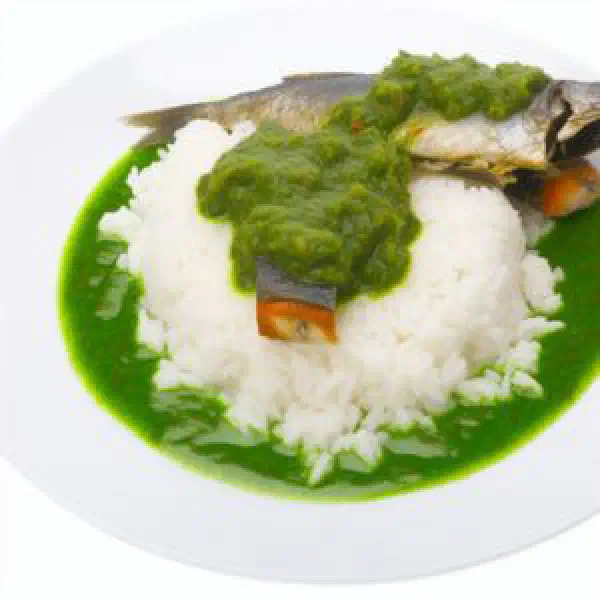
For a vegan or vegetarian version of Agbono Soup, the meat can be replaced with a range of vegetables or pulses. Ingredients such as tofu, lentils or chickpeas make excellent protein sources and do not fight against the flavour of the broth. You can also add a combination of different vegetables to build more texture and colour into the bowl, much as you would for a leafy Gboma Dessi. Adjust the seasoning accordingly so the finished flavour profile stays balanced.
More tips and tricks
A few simple tricks make Agbono Soup far easier to get right. Always use fresh ingredients, as they are what guarantee an intense aroma. Let the soup simmer a little longer than you think it needs, so the flavours have time to knit together properly. Consider scattering some toasted nuts or seeds over the top as a garnish for a pleasant crunch against the smooth broth. Experiment with different spices, too, to bring your own signature to the recipe.
Adapting the recipe to your taste
Agbono Soup adapts happily to individual preferences. If there is an ingredient you would rather avoid, it can usually be swapped for something similar that sits comfortably in the same flavour range. Try different varieties of fish or meat and experiment with a wider mix of vegetables. The possibilities are close to endless, since each new combination leads to a slightly different result. Just remember to adjust the cooking time to match, so the consistency stays exactly where you want it.
Ingredient substitutions
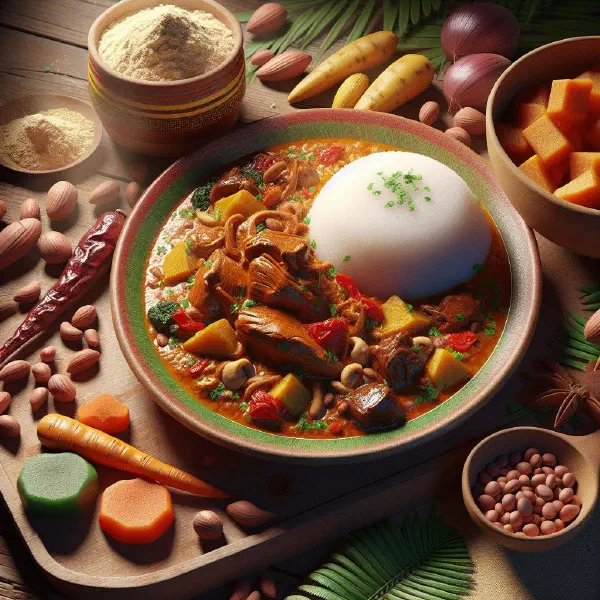
If you struggle to track down specific ingredients for Agbono Soup, there are plenty of alternatives worth trying. In place of agbono seeds, other nuts or seeds such as cashews or almonds can be ground and used as a thickener, though the flavour will be noticeably different, a route that also works well in a peanut-based Sauce d’Arachide. The choice of fish can vary as well: salmon or tuna both bring their own character to the pot. Different vegetables are another easy way to add a personal touch.
Drink pairing ideas
Several drinks set off Agbono Soup nicely. Traditionally, West African tables often carry fruit juices or chilled soft drinks, and a hibiscus cooler such as Bissap is a particularly good match for the soup’s warmth. Cold water or a light beer is equally refreshing and complements the flavours without competing with them. For a special occasion, a sparkling wine can lift the whole meal. Alcohol-free options work just as well and let the spices come forward.
Serving and presentation ideas
An appetising presentation genuinely improves the Agbono Soup experience. Serve it in deep, colourful bowls and garnish generously with fresh herbs. A scattering of toasted nuts or seeds on top adds a fine accent and a welcome bit of crunch. Think about flavourful accompaniments as well, such as rice or a soft mound of Fufu, to round the dish out and give guests a complete meal.
A bit of history
Agbono Soup has its roots in traditional Beninese cooking, which is known for its rich flavours and wholesome ingredients. Across many West African cultures, food sits at the centre of community life and hospitality. The use of wild mango seeds shows the resourcefulness of local cooks, who created a great many healthy and delicious recipes from regional produce. The soup has since spread beyond Benin into neighbouring countries and stands today as a sign of cultural exchange and a shared food culture, one of the most recognisable threads running through Benin cuisine.
More recipe ideas
Summary: Agbono Soup
Agbono Soup is a delicious dish and a fine example of Benin’s rich culinary tradition. With its distinctive combination of aromas and ingredients, it embodies the food heritage of West Africa. It is versatile and easily adjusted to personal taste, which makes it a perfect choice for almost any occasion. Enjoy the flavours and experience the warm, welcoming traditions of this remarkable culture as you cook and share a bowl of Agbono Soup.