National Dish Benin: Akara (Recipe)
In this article
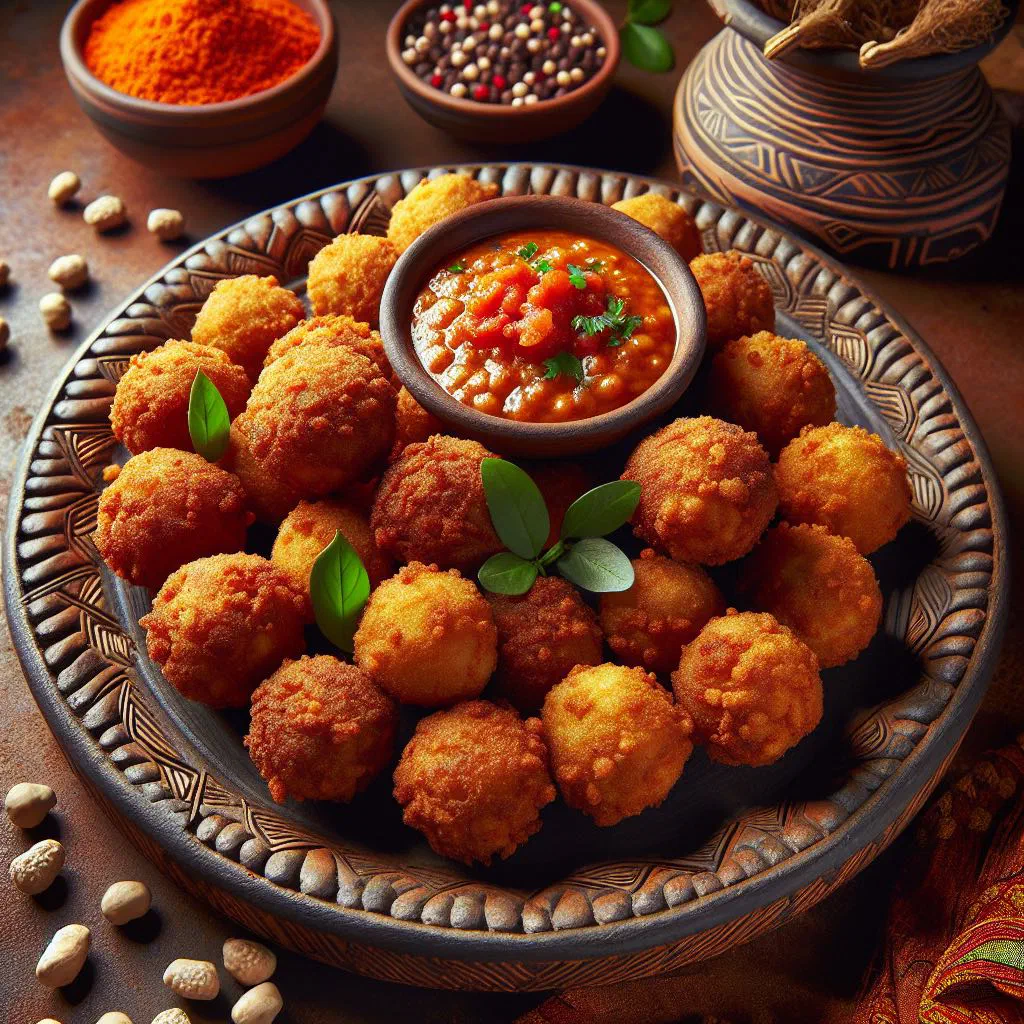
Discover Akara, one of Benin’s most cherished bites. These golden, deep-fried bean fritters are crisp on the outside, soft and savoury within, and packed with plant protein. Made from little more than puréed beans, onion and warm spices, they are the kind of snack that turns up at breakfast tables, roadside stalls and family celebrations alike. Bring authentic West African flavour to your own kitchen with a recipe that is as simple as it is satisfying.
About Akara
Akara is a much-loved dish from Benin, made from puréed black beans, onions and spices. These deep-fried bean fritters are a treat for the palate and an excellent source of protein. They are often served as a snack or as a side dish and form a fixed part of West African celebrations. Their distinctive flavour and versatile preparation make Akara a highlight of any meal.
Ingredients (serves 1–2)
- 200 g black beans (dried or tinned)
- 1 onion, finely chopped
- 1–2 cloves of garlic, crushed
- 1/2 teaspoon paprika
- 1/2 teaspoon salt
- Pepper to taste
- Oil for deep-frying
Shopping for the ingredients
The ingredients for Akara are easy to find in most supermarkets and in African or Asian grocery shops. Black beans can be bought either dried or tinned, though dried beans tend to give a crisper texture. Fresh vegetables such as onions and garlic are available almost anywhere. Do choose good-quality spices, as they make all the difference to the flavour of your Akara.
Preparing the dish
Before you start cooking Akara, make sure the black beans are properly prepared. If you are using dried beans, soak them overnight and then simmer them until soft. The onions and garlic should be chopped finely so the flavour is spread evenly through the batter. Thorough preparation is key to achieving the best possible texture and taste.
Step-by-step instructions
- Purée the soaked and cooked beans in a bowl until you have a smooth consistency.
- Add the finely chopped onion, the garlic and the spices, then mix well.
- Heat the oil in a pan until it is properly hot.
- Drop small portions of the mixture into the hot oil with a tablespoon and fry until golden brown.
- Drain the finished Akara on kitchen paper and serve hot.
Gluten-free / lactose-free version
Akara is naturally gluten-free and lactose-free, which makes it an excellent option for anyone with an intolerance. No special adjustments are needed to make the dish suitable for these diets. Simply use the ingredients as listed and you can be confident that your fritters contain neither gluten nor lactose. That makes Akara a wonderfully versatile treat for a wide range of dietary needs.
Tips for vegans and vegetarians
Akara is naturally vegan and vegetarian, which makes it a perfect snack or dish for anyone who prefers plant-based eating. You can adapt the recipe easily by adding extra vegetables or spices to make it even more flavourful. Fresh herbs such as coriander or parsley will also lift the aroma. Experiment with different additions to create your own signature version.
More tips and tricks
For the best results, keep a close eye on the temperature of the oil. If it is not hot enough, the fritters will soak up too much fat. It is also important to purée the beans thoroughly so they cook evenly as they fry. Remember to turn the Akara regularly so they colour to a handsome golden brown on all sides, and avoid crowding the pan, which slows the frying down.
Adapting the recipe to your taste
The recipe for Akara is highly adaptable and easy to tailor to individual preferences. You can use different kinds of beans, such as kidney beans or pinto beans, to discover new flavours. The spicing can be varied too, perhaps jalapeños for a fiery note, or plain black pepper for more depth. It is a lovely way to experiment with different combinations.
Ingredient substitutions
If you do not have a particular ingredient to hand, there are plenty of alternatives that work well. Instead of fresh onions, for example, you can use onion powder to achieve a similar flavour note. As for spices, curry powder or garam masala give the fritters a different twist.
Drink pairing ideas
Many drinks go beautifully with Akara, particularly those that complement the earthy taste of the beans. A refreshing hibiscus tea such as Bissap, or a classic fruity smoothie, is an excellent choice. For a traditional touch you might also consider a spiced sauce on the side or a light beer. The combination of flavours will certainly enrich the whole eating experience.
Serving and presentation ideas
The presentation of your Akara matters just as much as the flavour. Serve them on a handsome white plate or in an attractive bowl so the golden-brown fritters really stand out. Fresh herbs make a fine garnish, and a small dip of chilli sauce, yoghurt or a spoonful of Moyo Sauce alongside completes the picture.
A bit of history
Akara has a long history in West African cooking. The dish is said to have originated with the Yoruba of Nigeria and to have spread from there across the wider region. It is traditionally prepared for special occasions and celebrations, and it is known under different names in many neighbouring countries. It represents the culinary heritage of Benin cuisine and an important part of the region’s cultural identity.
More recipe ideas
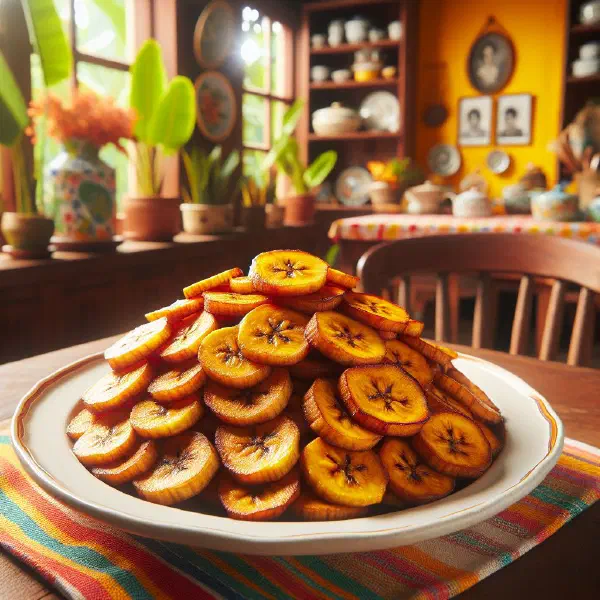
- Aloko — sweet and savoury fried plantains.
- Tchep — spiced rice with tomatoes and peppers.
- Yovo Doko — sweet dough balls, fried until crisp.
- Agbono Soup — a rich, nourishing soup thickened with ground seeds.
- Kuli Kuli — crunchy groundnut snacks.
Summary: Akara
Akara is a delicious and versatile dish that is easy to make and suits all kinds of occasions. These deep-fried bean fritters are nutritious, friendly to many diets and endlessly adaptable, which makes them an excellent choice for any meal. With fresh ingredients and a few creative variations, Akara is guaranteed to be a hit at your table. Let these traditional West African flavours win you over.