National Dish Benin: Banga (Recipe)
In this article
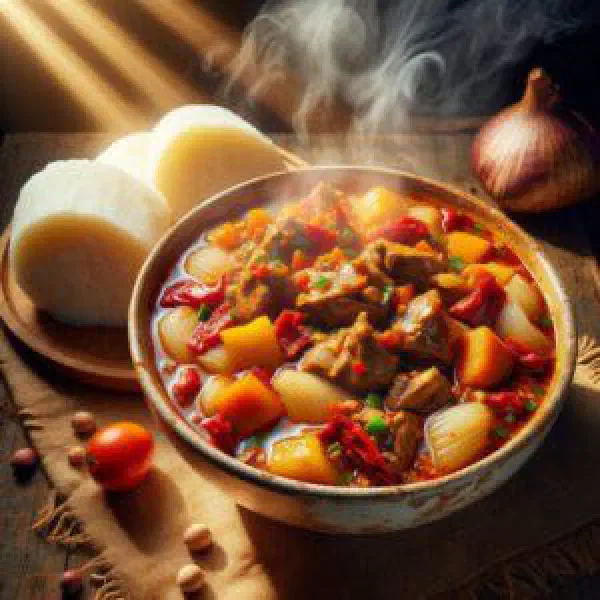
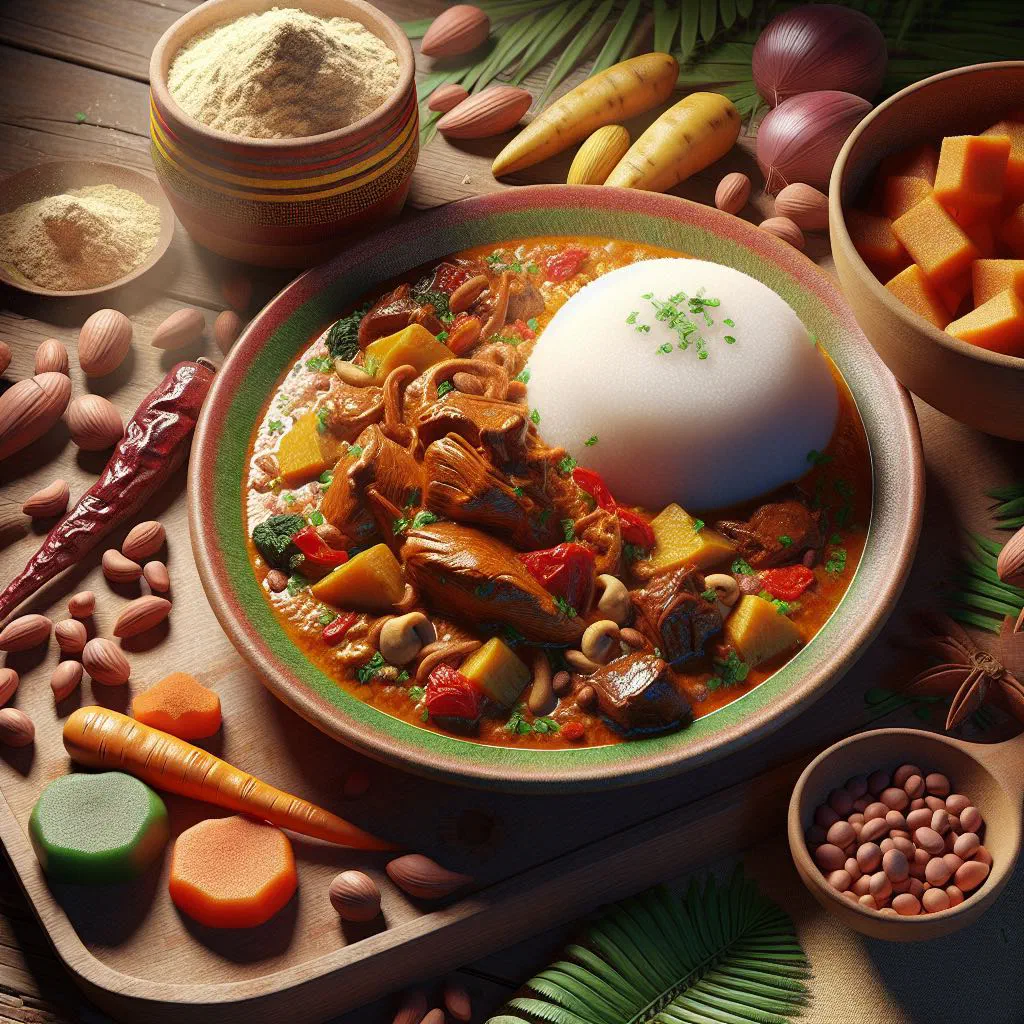
Meet Banga, a deeply savoury palm oil stew that sits right at the heart of Beninese home cooking. Rich, russet-red and fragrant with ginger, garlic and chilli, it turns a handful of humble ingredients into something genuinely memorable. The palm oil gives the sauce its unmistakable colour and nutty depth, while slow simmering coaxes the meat into tender submission. If you want to taste West Africa properly, this is where to start.
About Banga
Banga is one of the most traditional dishes of Benin, drawing together the vivid flavours that define West African cooking. It is usually built on freshly pressed palm oil, which gives the stew an extraordinary base note you simply cannot fake with anything else. A generous hand with aromatic spices and pieces of tender meat produces plenty of flavour that wins over seasoned food lovers and curious first-timers alike. If you want to experience its distinctive texture and hearty aroma, this dish is an absolute must.
Ingredients (serves 1–2)
- 300 g beef or goat meat
- 200 ml palm oil
- 1 onion, chopped
- 2 garlic cloves, chopped
- 1 teaspoon grated ginger
- 2 teaspoons banga spice blend
- 1–2 chillies, chopped (to taste)
- Salt and pepper, to taste
- Water, as needed
Shopping for the ingredients
To make banga properly, it is worth seeking out the freshest ingredients you can find. A local market is usually the best place for good-quality spices and meat, where you can see and smell what you are buying. Source the palm oil from a supplier you trust, since it is the heart of the whole dish and a poor one will show. It is also worth hunting down a West African grocer for the banga spice blend that gives the stew its authentic character, the same shops that stock the flours for Fufu.
Preparing the dish
Before you start cooking banga, make sure everything you need is within easy reach. Chopping the onion and garlic is the first step, since these build the aromatic base of the sauce. Decide early how hot you want the stew and use the chillies whole, halved or sparingly to suit. Careful preparation keeps the cooking process running smoothly and gives you an evenly flavoured, well-balanced result.
Step-by-step instructions
- Cut the meat into small pieces and simmer in a pan with a little water for about 30 minutes.
- In a second pan, heat the palm oil and add the onions, garlic and ginger, frying until golden brown.
- Add the pre-cooked meat to the palm oil, followed by the banga spice blend and the chillies.
- Stir everything together well and let it simmer for a further 20–30 minutes, until the meat is tender.
- Season with salt and pepper, adding a splash of water if the stew becomes too thick.
Gluten-free / lactose-free version
Banga is naturally gluten-free and lactose-free, since none of the core ingredients contain either. Do check any additional spices or seasoning mixes you add, as commercial blends occasionally include wheat-based fillers. Sticking to fresh, natural ingredients is the surest way to keep the dish wholesome and free of unwanted additives. That makes banga an excellent choice for anyone cooking around dietary restrictions.
Tips for vegans and vegetarians
For a vegan or vegetarian version of banga, swap the meat for vegetables or plant-based proteins. Chickpeas, tofu and seitan all work beautifully and keep that hearty, satisfying quality intact. Adjust your timings, as plant proteins generally cook far more quickly than meat and can turn mushy if left too long. The spices do the heavy lifting here, so do not hesitate to experiment with different combinations until the depth feels right.
More tips and tricks
To get the very best from your banga, try different variations, other cuts of meat, or extra vegetables folded in towards the end. Another good trick is to let the stew rest overnight, which gives the flavours time to settle and deepen noticeably. When serving, creative sides lift the whole meal: rice, Akassa or a soft mound of pounded yam all work well. And do not forget that cooking with friends or family is half the pleasure.
Adapting the recipe to your taste
The great thing about banga is how readily it bends to personal preference. If you like heat, add more chillies or try different varieties for a rounder, fruitier burn. Alternatively, play with the spicing itself and experiment with turmeric or coriander to steer the flavour somewhere new. Different cuts of meat or seasonal vegetables also change the character of the dish entirely.
Ingredient substitutions
If certain ingredients prove hard to track down, several alternatives will still give you a fine banga. Coconut oil can stand in for palm oil, producing a lighter, sweeter profile that works surprisingly well. For the banga spice blend, a mixture of grated ginger, cumin and paprika gets you close to the same warm depth.
Drink pairing ideas
The right drink rounds off a plate of banga nicely. Light African beers or a refreshing fruit juice cut cleanly through the richness of the palm oil. A fruity white wine can be an elegant match too, particularly when you have gone heavy on the chillies. A chilled glass of Bissap is the most traditional option of all, and hard to beat on a warm evening.
Serving and presentation ideas
Presentation matters, whether you are impressing guests or simply making your own dinner feel like an occasion. Serve banga in a handsome traditional bowl and garnish it with fresh herbs. Arrange colourful vegetables such as peppers or tomatoes around the edge of the plate to create contrast against the deep red sauce. A little care here makes the dish as pleasing to look at as it is to eat.
A bit of history
Banga has its roots in West African culture and is a symbolic dish for many communities across Benin. It is often cooked for special occasions and festivals, where sharing a pot is a way of celebrating togetherness. The use of palm oil reflects both the abundant natural resources of the region and culinary traditions handed down through generations. Cooking and eating banga is more than a meal; it is a living link to the roots of Beninese cuisine.
More recipe ideas
Summary: Banga
Banga is an authentic dish from Benin that impresses through its combination of fresh palm oil, aromatic spices and tender meat. Simple to prepare and easy to adapt, it is a superb choice for anyone wanting to explore West African cooking at home. Experiment with different variations to create your own signature version, and enjoy the sheer range of flavours on offer. With a few good tips in hand, this stew will quickly become a favourite in your kitchen.