National Dish Benin: Dambou (Recipe)
In this article
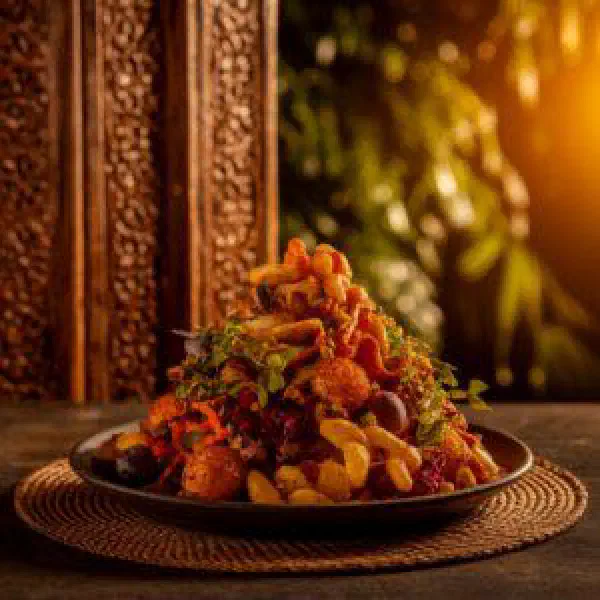
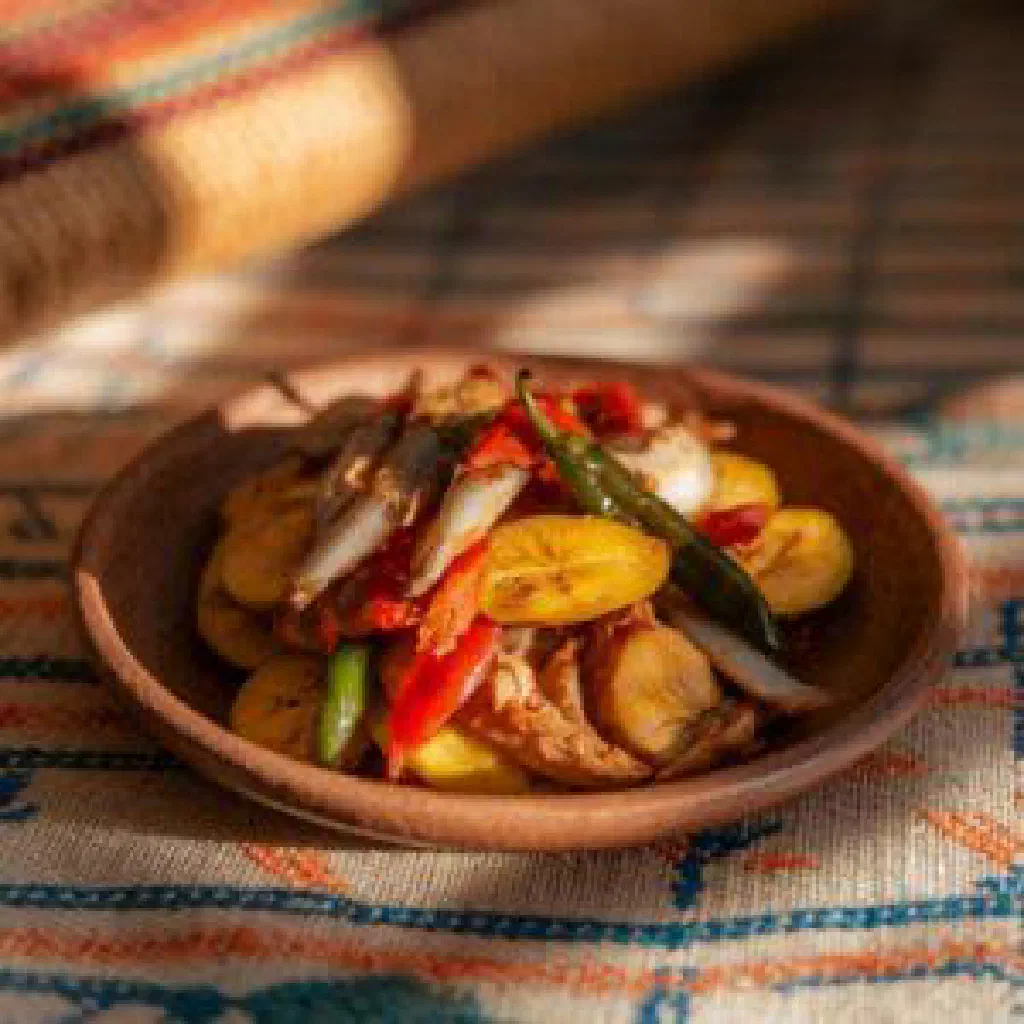
Meet Dambou, a warming West African plate that turns two humble staples, cassava and roasted peanuts, into something genuinely memorable. Nutty, savoury and satisfyingly dense, it is the sort of food that gets cooked when there are people to feed and a reason to gather. Serve it with a fiery sauce or a pile of steamed greens and you have a meal that speaks of hospitality as much as of flavour.
About Dambou
Dambou is a traditional dish from Benin that brings together the flavours of cassava and peanuts. This hearty plate is often served with a spicy sauce or with vegetables, which makes it a real treat. Dambou is more than simply food: it reflects the food culture and the values of hospitality found across West African communities. It is frequently prepared for celebrations and gatherings, offering guests a delicious and welcoming meal.
Ingredients (serves 1–2)
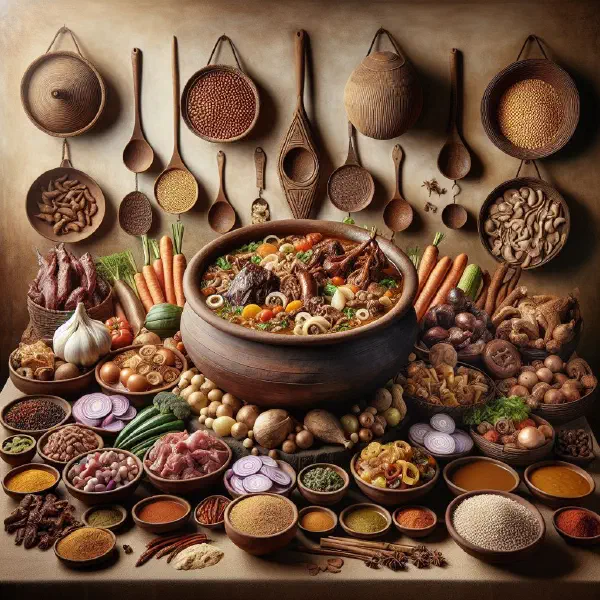
- 500 g cassava
- 200 g peanuts, roasted and ground
- 1 onion, finely chopped
- 2–3 tablespoons palm oil
- Water, as needed
- Salt and pepper to taste
- Optional: spices such as chilli or garlic
Shopping for the ingredients
There are a few things worth keeping in mind when shopping for dambou. Cassava is best found in specialist shops or at local markets, as it is not always stocked in ordinary supermarkets. Choose fresh roots that feel firm and show no dark patches. The peanuts should be good quality and ideally unsalted, so that their natural flavour is not masked, the same principle applies when you cook a rich Sauce Darachide.
Preparing the dish
Preparing dambou involves a handful of basic steps that ensure the components come together perfectly. First, the cassava needs to be peeled and cut into pieces before it goes into the pan. Bring a large pot of water to the boil. In the meantime you can grind the peanuts and finely chop the onion to deepen the flavour of the finished dish.
Step-by-step instructions
- Add the peeled cassava pieces to boiling water and cook for around 20–30 minutes, until soft.
- Drain the cooked cassava and mash it in a bowl until you have a smooth mixture.
- Add the ground peanuts and the chopped onion, combine well and season with salt and pepper.
- Heat the palm oil in a pan and fry the mixture for a few minutes until it turns lightly golden.
- Warm the optional spices to taste to intensify the aroma.
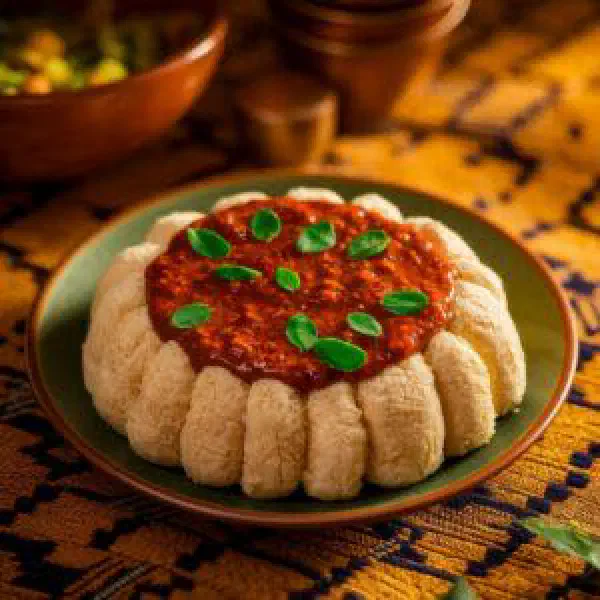
- Serve the dambou warm with a spicy sauce or steamed vegetables.
Gluten-free / lactose-free version
One great advantage of dambou is that it is naturally gluten-free and lactose-free, since only plant ingredients go into it. That makes it an excellent choice for anyone with intolerances to either. Do check, though, that every spice and sauce you serve alongside is also free from gluten and lactose, so there are no unwelcome surprises. In principle, dambou can be enjoyed within a great many dietary contexts.
Tips for vegans and vegetarians
Dambou is an exciting option for vegans and vegetarians, as it contains no animal products at all. The ingredients are entirely plant-based, which makes it easy to slot into a balanced vegan diet. To take the dish further, add extra vegetables such as spinach or carrots to boost the flavour and the range of nutrients. Use plant oils or fats for frying to keep everything in line with your way of eating.
More tips and tricks
There are a few tips and tricks worth knowing when you make dambou. It is important to cook the cassava thoroughly, as raw cassava can contain toxic compounds. Mix everything well to achieve an even texture. Experimenting with different spices also helps you shape the final dish to your own taste. Try adding extra herbs to intensify the aroma, much as cooks do with a bright Moyo Sauce.
Adapting the recipe to your taste
Dambou is an extremely flexible dish that adapts easily to different preferences and dietary needs. You can add extra protein such as tofu to make it more substantial, or swap the peanuts for other nuts if you have an allergy. There are no limits when it comes to accompaniments either: a fresh salad or a piquant sauce both work beautifully. Play with the ingredients and create your own personal version of dambou.
Ingredient substitutions
If you struggle to find certain ingredients, there are alternatives for dambou too. Should cassava be unavailable, try sweet potatoes or ordinary potatoes, though the flavour and texture will differ. Roasted sunflower seeds make a great stand-in for peanuts for anyone with a nut allergy. Using coconut oil instead of palm oil can also add an interesting note.
Drink pairing ideas
Plenty of different drinks go well with dambou and complement its flavour nicely. A light, refreshing beer is a pleasant choice, while an alcohol-free option such as hibiscus tea, the basis of the classic Bissap, adds a fruity edge. Fresh pineapple or mango juices also underline the flavours of the dish and provide an appealing contrast. Experiment with different combinations to find your ideal match.
Serving and presentation ideas
Presentation plays an important part in making dambou look as good as it tastes. Serve it in a large bowl and garnish with fresh herbs or some extra grilled vegetables. Colourful side dishes give the plate more brightness. Using traditional tableware can underline the cultural significance of this dish and create a welcoming atmosphere.
A bit of history
Dambou has a history in West African culture, bound up with community and tradition. It is often cooked for festive occasions and plays a central role at social gatherings. The use of cassava is typical of the region and reflects local agriculture and the plants that grow there. Dambou is therefore not merely a source of nourishment but part of the cultural heritage of Beninese cuisine.
More recipe ideas
Summary: Dambou
Dambou is a distinctive and flavourful dish that embodies the food culture of Benin. With ingredients such as cassava and peanuts it is nourishing and full of flavour, especially when paired with spicy sauces or fresh vegetables. Preparation is straightforward and adaptable, which makes dambou suitable for a wide range of dietary needs. Give this wonderful dish a try and let the flavours and traditions of West Africa win you over.