National Dish Benin: Fakoye (Recipe)
In this article
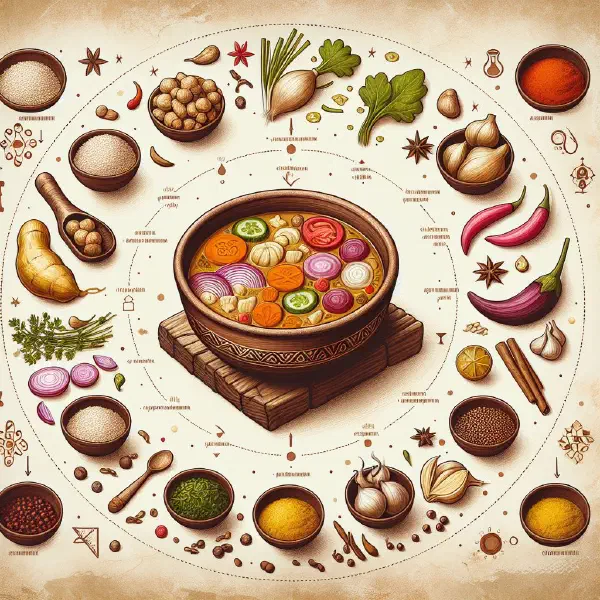
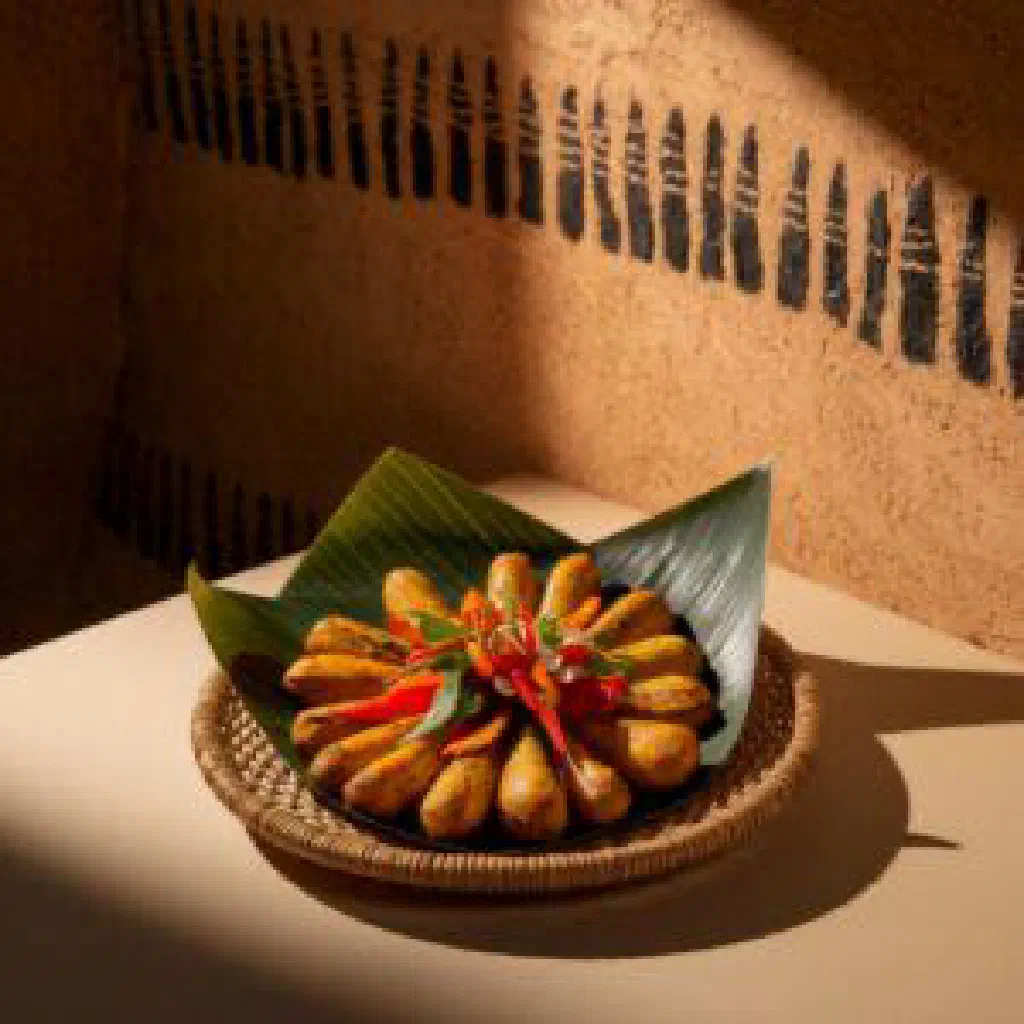
Meet Fakoye, a warmly satisfying dish from Benin built on little more than cornmeal, water and whatever fresh produce the market has to offer. Simple as the shopping list looks, the result is anything but plain: soft, golden portions of dough meet colourful vegetables and a generous spoonful of sauce. It is honest, everyday West African cooking at its best, and one of the friendliest ways to bring the flavours of the region into a home kitchen.
About Fakoye
Fakoye is a traditional dish from Benin, made from cornmeal and fresh, locally available ingredients. This hearty speciality has a character all of its own, along with a deeply rooted cultural significance. It is often served with a variety of sauces that round the plate off beautifully. Fakoye is an excellent example of the versatility of West African cooking, a tradition rich in aromas and textures.
Ingredients (serves 1–2)
- 200 g cornmeal
- 500 ml water
- 1 teaspoon salt
- Fresh herbs (parsley or coriander, for example)
- Vegetables of your choice (carrots, peppers)
- Oil, for frying
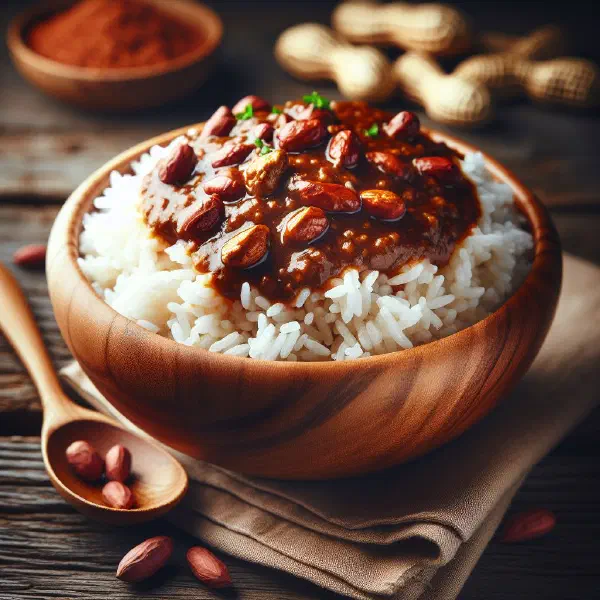
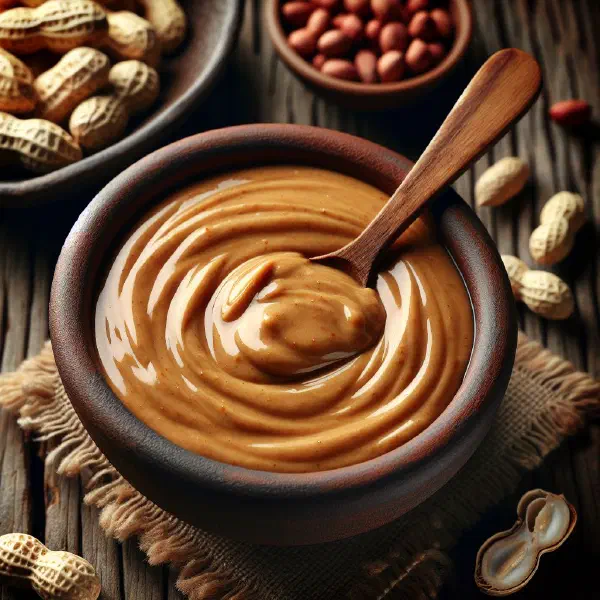
- Sauces of your choice (tomato sauce, peanut sauce)
Shopping for the ingredients
The ingredients for fakoye are available in most food shops and markets, especially in areas with a large West African community. Try to choose fresh produce wherever possible, particularly for the vegetables and herbs. Local markets often stock the best of both, and their produce tends to be more sustainable as well as more flavourful. For the sauces you can either use ready-made products or try your own recipes and tune the flavours to suit you.
Preparing the dish
Preparing fakoye begins with mixing the cornmeal with water and salt to make a smooth batter. Take care not to leave any lumps, so the finished dish keeps a pleasant texture. While the batter rests, cut your vegetables and get the sauces ready. Working in this order keeps everything efficient and ensures the flavours stay fresh on the plate.
Step-by-step instructions
- Combine the cornmeal, water and salt in a bowl and mix thoroughly until no lumps remain.
- Leave the batter to rest for about 10 minutes so the ingredients can settle.
- Heat a little oil in a frying pan and sauté the vegetables until cooked but still with some bite.
- Divide the batter into small portions and add them to the pan, making sure they brown evenly.
- Add the sauces to taste and let everything simmer together for a few minutes.
- Serve hot, garnished with fresh herbs.
Gluten-free / lactose-free version
Fakoye is naturally gluten-free, as its main component is cornmeal, which contains no gluten at all. For a lactose-free version, use vegetable oils or plant-based alternatives in place of butter or cream in the sauces. Do check that the sauces themselves contain no dairy, so the finished dish is entirely lactose-free. This flexibility makes fakoye an excellent choice for anyone with particular dietary needs, much like the naturally gluten-free Akassa.
Tips for vegans and vegetarians
Vegans and vegetarians can adapt fakoye with very little effort by keeping to plant-based ingredients throughout. Make sure the sauces are prepared without animal products, and use plenty of different vegetables to keep the dish varied and nourishing. Adding pulses is a fine way to boost the protein content as well. Vary the spices creatively to draw out different flavour profiles each time you cook it.
More tips and tricks
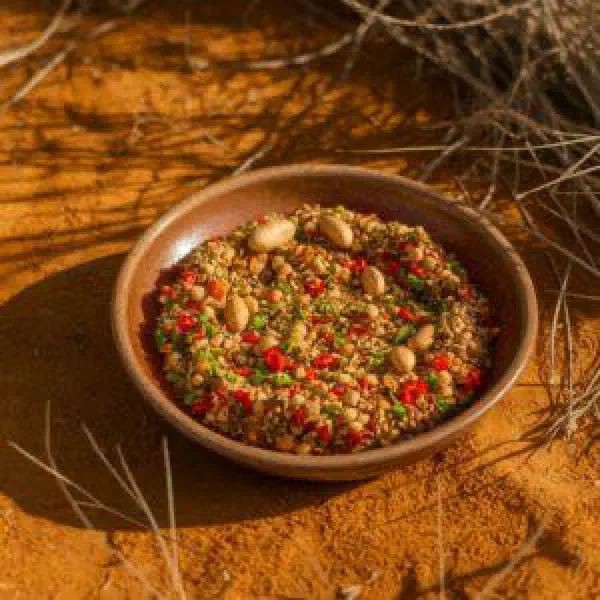
To get the very best from your fakoye, source your ingredients fresh and, where you can, locally. Experiment with different herbs and spices to give the dish a personal signature. Another useful trick is to chill the batter before cooking, which helps the flavours deepen. If you like a little more texture, work some nuts or seeds into the batter, a nod to the crunch of Kuli Kuli.
Adapting the recipe to your taste
Fakoye lends itself wonderfully to personal preference. Like things hotter? Simply add a little chilli or cayenne pepper. If you prefer a milder plate, reduce the quantity of spices and choose your sauces accordingly. Combining different vegetables also keeps the dish varied, so it never becomes repetitive on the table.
Ingredient substitutions
If certain ingredients are not to your liking or simply not available, there are plenty of alternatives. Instead of cornmeal you can use other gluten-free flours such as rice flour or chickpea flour. For the sauces, a straightforward pesto or a mustard vinaigrette makes a tasty variation, though a classic Sauce Darachide is closer to the West African original. Whatever modifications you make, fakoye remains a flexible dish that adapts easily to different tastes.
Drink pairing ideas
A great many drinks pair well with fakoye and round out the eating experience. Traditional West African options such as sorrel tea or Bissap, made from hibiscus flowers, are refreshing and reviving. Alternatively you might serve alcohol-free cocktails based on fruit juices and soda. For those who prefer something more classic, a good dry white wine is an excellent choice.
Serving and presentation ideas
The way you present fakoye can impress your guests and turn the meal into a real occasion. Serve the dish on brightly coloured plates and garnish it with fresh herbs. A creative arrangement of the vegetable pieces and sauces pleases the eye and whets the appetite. Remember to present your drinks attractively too, so the whole experience feels considered.
A bit of history
Fakoye has its roots in Beninese culture, where food is far more than mere sustenance; it is a central part of social life. The way fakoye is made, and the ingredients chosen for it, reflect the region’s farming traditions and the influence of its many different ethnic groups. The dish is often served at celebrations and special occasions, which lends it an additional cultural value within Beninese cuisine. The resilience and adaptability found in its preparation also show how traditions can shift across the generations.
More recipe ideas
Summary: Fakoye
To sum up, fakoye is a versatile and delicious dish that reflects the flavours and traditions of Beninese cooking. With simple ingredients and an uncomplicated method, you can bring a piece of West Africa into your own kitchen and pleasure family or guests alike. Vegetarian or simply on the lookout for new flavours, this dish offers countless ways to adapt it to every preference.