National Dish Benin: Fevi (Recipe)

In this article
Say hello to Fevi, the national dish of Benin and a wonderful introduction to West African home cooking. It brings together freshly cooked cassava and a colourful medley of vegetables, lifted by a warmly spiced sauce that ties everything together. It is simple, nourishing food with real character, and because it is naturally free from gluten, dairy and animal products, almost everyone at the table can tuck in. Here is how to make it in your own kitchen.
About Fevi
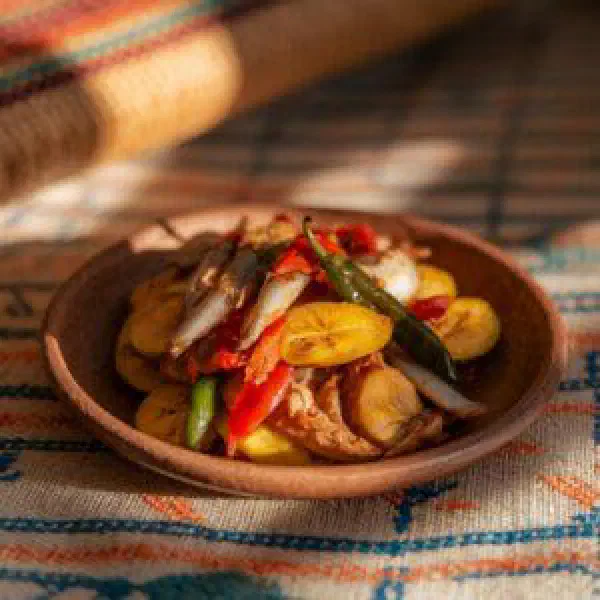
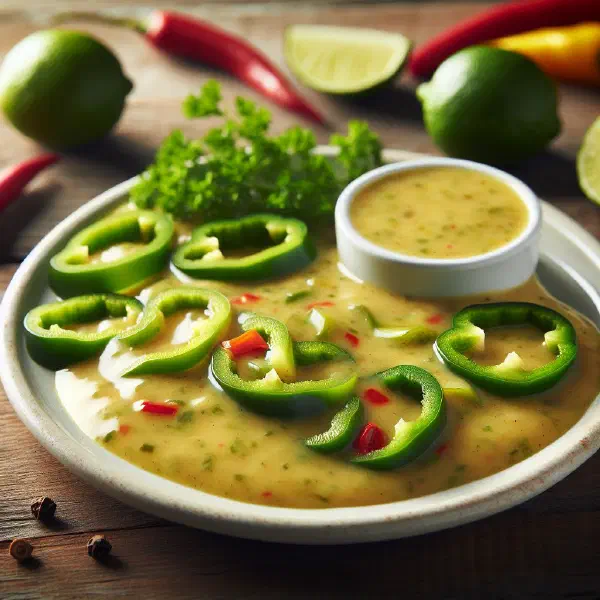
Fevi is the national dish of Benin and offers a delicious combination of freshly prepared cassava rounded out with a range of spices. The variety of aromas and the generous, welcoming preparation make this dish a genuine feast. Fevi is often served with a spicy sauce that deepens the flavour still further. It is also commonly paired with fresh vegetables, which underlines its healthy side and adds a real splash of colour to the plate.
Ingredients (serves 1–2)
- 250 g cassava
- 1 onion
- 2–3 cloves of garlic
- 1 pepper
- 2 tomatoes
- 1–2 chillies (depending on how hot you like it)
- 400 ml vegetable stock
- 2 tablespoons vegetable oil
- Salt and pepper to taste
- Fresh herbs, to garnish
Shopping for the ingredients
To make Fevi, it is important to choose the freshest ingredients you can find. Many of them are available in West African speciality shops as well as in well-stocked supermarkets. When buying cassava, look for roots that are firm and undamaged, as this forms the flavour base of the whole dish. Fresh herbs and vegetables improve the look of the finished plate and make for a healthier result, the same principle applies to a hearty Fufu.
Preparing the dish
Making Fevi begins with thoroughly cleaning and peeling the cassava. The root is then cut into small pieces to shorten the cooking time. The vegetables should likewise be washed and chopped into attractive pieces so the dish looks as good as it tastes. Remember to wear gloves when cutting hot ingredients such as chillies, to avoid irritating your skin.
Step-by-step instructions
- Bring the cassava to the boil in a pan of water and cook for around 20 minutes, until soft.
- Fry the onions and garlic in a pan with vegetable oil until golden brown.
- Add the diced vegetables, including the pepper and tomatoes, and fry briefly.
- Drain the cooked cassava, add it to the vegetable mixture and combine everything well.
- Pour in the vegetable stock and let it simmer for a further 10 minutes so the flavours come together.
- Season to taste with salt and pepper and garnish with fresh herbs.
Gluten-free / lactose-free version
Fevi is naturally gluten-free and lactose-free, which makes it an ideal choice for anyone with those intolerances. The main ingredients, cassava and fresh vegetables, mean the dish sits easily even on a sensitive stomach. Just make sure that the spices and stock you use are also certified gluten-free. With that in mind, nothing stands between you and a delicious, worry-free meal.
Tips for vegans and vegetarians
Fevi is already a perfect dish for vegans and vegetarians, as it contains no animal products at all. For an even more varied version, you can add plant-based proteins such as beans or lentils. These raise the nutritional value of the dish and enrich its flavour, much as they do in a plate of Akara. Experiment with different vegetables and spices to give the dish your own personal stamp.
More tips and tricks
To make Fevi even tastier, adjust the spices and experiment a little. Adding ginger or cumin, for example, gives the dish extra depth. A squeeze of lemon juice just before serving brings freshness and lifts the aromas. Make sure the vegetable stock is of good quality, as this is what carries the intensity of the finished dish.
Adapting the recipe to your taste
The beauty of Fevi lies in its versatility. Depending on your own preferences you can turn up the heat or vary the vegetables you use. Tone the flavour down with fewer chillies, or throw in your favourite seasonal produce. The consistency can be adjusted too: use more or less stock to make the dish thicker or looser, just as you would when balancing a Sauce Claire.
Ingredient substitutions
If you struggle to find cassava, yuca makes an excellent alternative. It is the same root under a different name and behaves identically in the pan. The vegetables can also be swapped around according to what is available. Carrots or courgettes, for instance, work well in place of the pepper and tomatoes.
Drink pairing ideas
Fevi goes beautifully with fruity lemonades or herbal teas, which draw out the flavours of the spices. A simple glass of cold water is also a good choice, as it balances the intensity of the dish. For special occasions you might try local West African beers or wines, which complement the cultural side of the meal perfectly. A chilled Bissap is another classic partner, and the right drink can lift the whole dinner experience.
Serving and presentation ideas
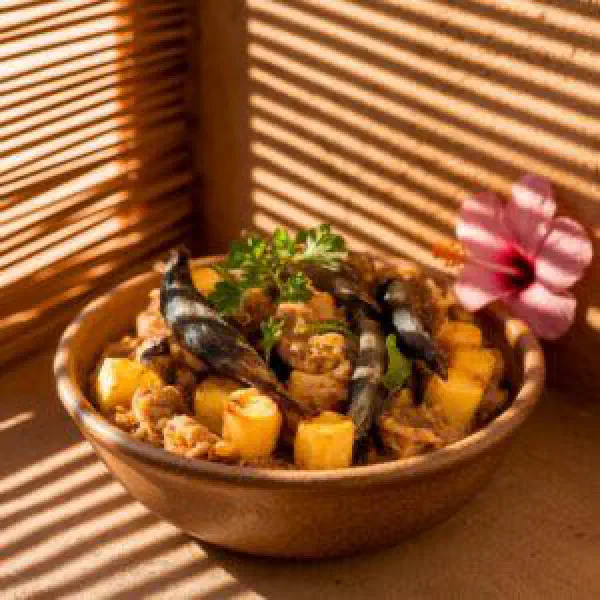
The presentation of Fevi should be every bit as appealing as its flavour. Serve the dish in colourful bowls that echo the shades of the ingredients. A generous scattering of fresh herbs on top provides a bright visual accent. Choose tableware in complementary colours to round off the overall picture and turn the meal into a real feast for the eyes.
A bit of history
Fevi has a long tradition in Beninese culture and reflects the region’s culinary craft. The use of cassava is deeply rooted in West African cooking, as it represents an important staple food. It is not only an everyday dish but is also served at special occasions and festivals to celebrate tradition and community. The knowledge of how to prepare Fevi is often passed down from generation to generation, which makes the dish a treasured part of Beninese identity and of Benin cuisine as a whole.
More recipe ideas
Summary: Fevi
Fevi is more than just a dish; it is a piece of Beninese culture that stands for the aromas, colours and traditions of this West African country. With its combination of cassava, spices and a warming sauce, it is a joy for all the senses. It offers a chance to enjoy an authentic West African experience. Let the flavours tempt you and conjure up a pot of Fevi at home.