National Dish Benin: Gari Foto (Recipe)
In this article
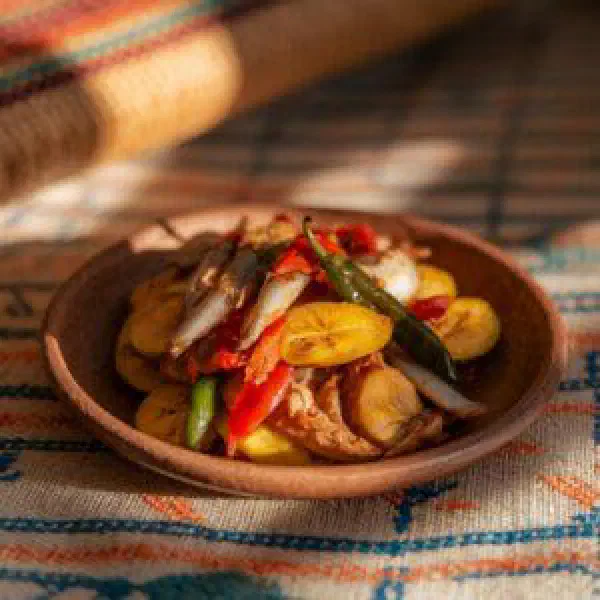
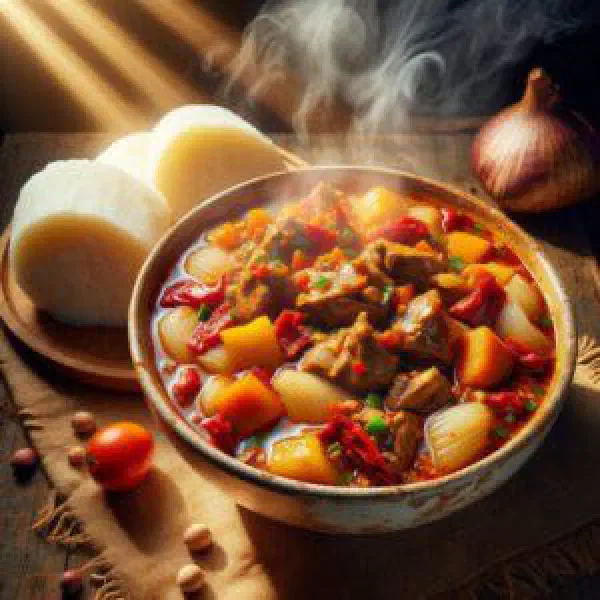
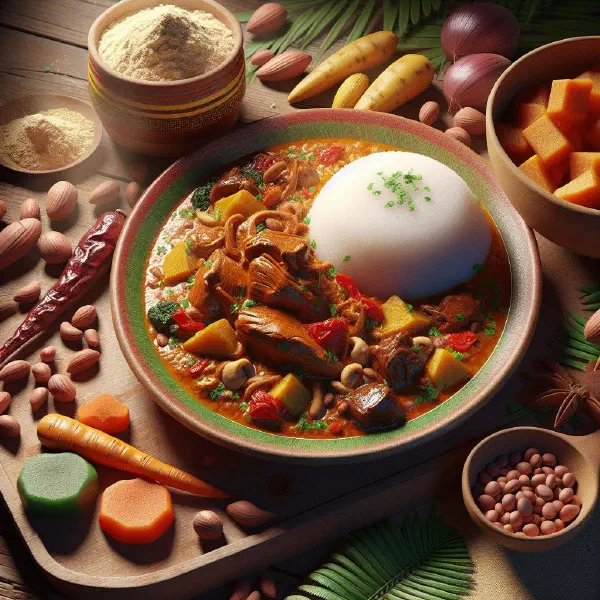
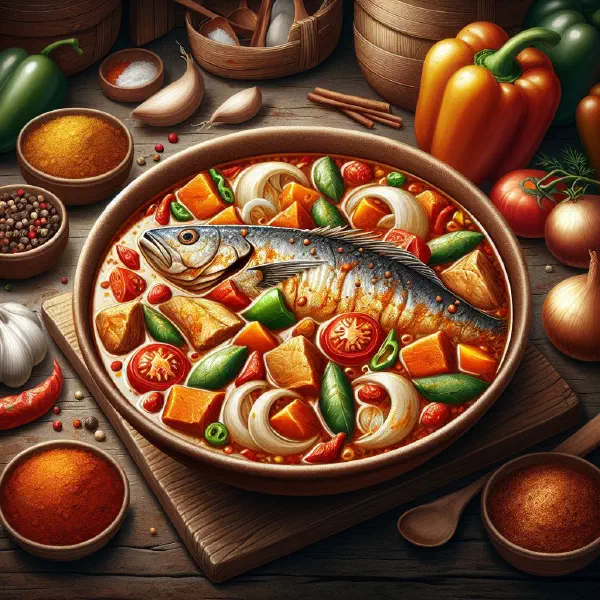
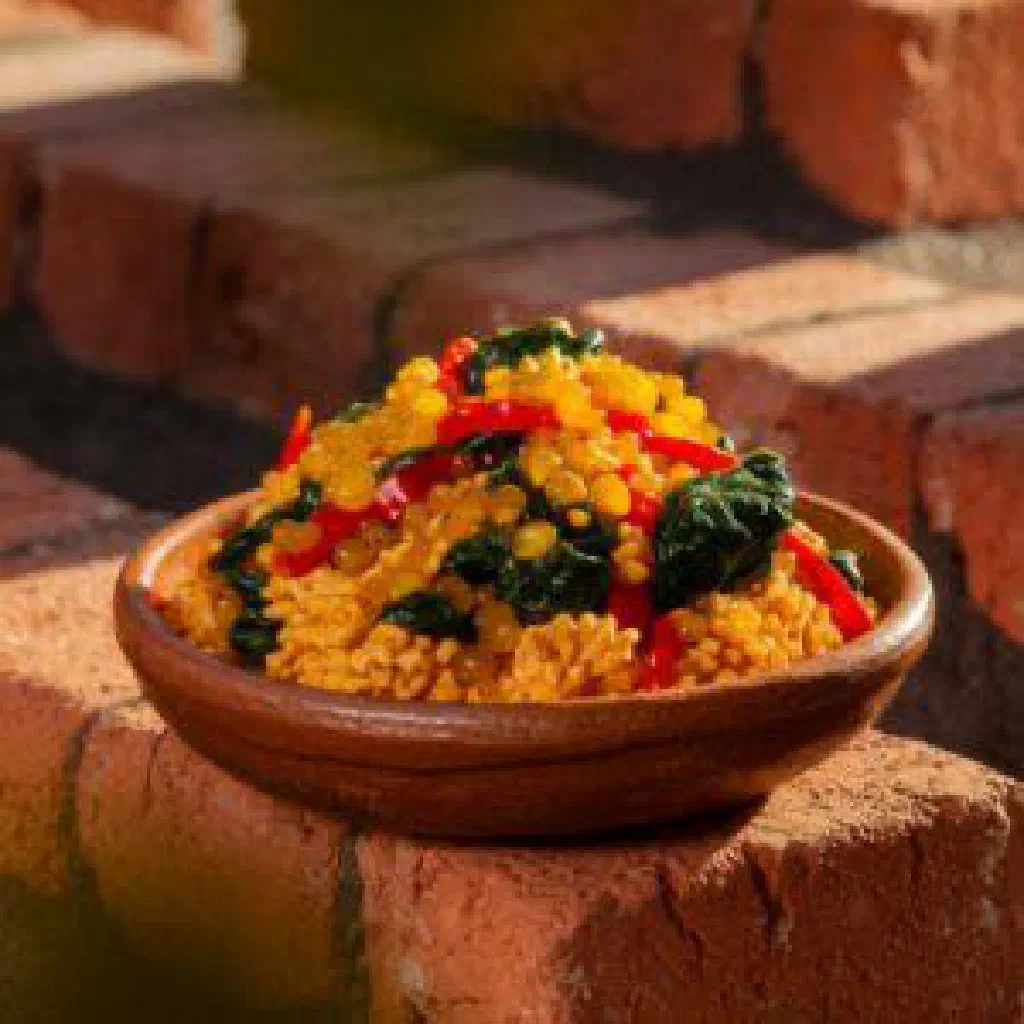
Meet Gari Foto, the golden, nutty cassava dish that sits at the very heart of Beninese home cooking. Made from grated and fermented cassava, it has a texture unlike anything else, light, slightly grainy and endlessly absorbent of whatever sauce or filling you pair with it. Served for breakfast, as a side or as a full meal, it is the kind of everyday staple that turns a handful of humble ingredients into something genuinely comforting.
About Gari Foto
Gari Foto is a traditional national dish from Benin, made from grated and fermented cassava. What sets it apart is its distinctive texture and gently nutty flavour, which works equally well as a side dish, a breakfast or a snack. Gari is one of the cornerstones of West African cooking and is most often combined with different sauces or fillings, a flexibility that explains why it appears on so many tables, in so many forms, across the region.
Ingredients (serves 1–2)
- 250 g gari
- 500 ml water
- 1 pinch of salt
- Oil for frying (palm oil or olive oil, for example)
- Filling of your choice (vegetables, fish or meat)
Shopping for the ingredients
To make gari foto you first need to track down the ingredients. Most of what you need, gari itself and cassava, is stocked by African grocery shops and by many larger international food stores. Look out for fresh, good-quality ingredients, as they make a real difference to the finished dish. For the filling, choose whatever local vegetables or meat appeal to you and give the recipe an individual touch.
Preparing the dish
Before you start cooking, prepare all your ingredients properly. Wash the vegetables and cut them into small, even pieces so that they cook through at the same rate. If you are using meat or fish, make sure it is well rinsed and, if you like, marinated in advance. A little groundwork here means every component comes together neatly and the flavours harmonise once everything hits the pan.
Step-by-step instructions
- Bring the water to the boil in a pan and add a pinch of salt.
- Stir the gari granules into the boiling water a little at a time.
- Lower the heat and let the mixture simmer for about five minutes, stirring constantly, until it forms a smooth, even mass.
- Heat a little oil in a separate frying pan and sauté the prepared vegetables or filling until cooked through.
- Serve the gari alongside the filling and enjoy your dish.
Gluten-free / lactose-free version
Gari is naturally gluten-free, since it is made purely from cassava, which makes it an excellent option for anyone with a gluten intolerance. It also contains no dairy at all, so it suits lactose-intolerant eaters just as well. Do check, though, that the fillings you choose are likewise gluten- and lactose-free, so that nothing slips in unnoticed and triggers a reaction.
Tips for vegans and vegetarians
For vegans and vegetarians, gari foto makes a genuinely satisfying and nourishing meal. Instead of animal products, simply build the dish around a generous variety of vegetables and plant proteins. Beans, lentils or tofu all work beautifully folded into the dish, and a bean-based classic such as Akara shows just how well pulses sit alongside cassava. Aim for a balanced spread of vegetables to keep the nutrient density high.
More tips and tricks
One reliable way to make gari foto tastier is to lean on herbs and spices while you cook. Parsley or coriander added towards the end brings a welcome freshness, while experimenting with different chilli sauces or spiced oil can lift the flavour considerably. Remember that every ingredient you add shifts the balance of the whole dish. Try a few combinations before you settle on your favourite version.
Adapting the recipe to your taste
The versatility of gari means the recipe can be reshaped almost entirely around personal preference. Hot, mild or with a sweeter edge, the heat and the flavour are governed by your choice of filling and seasoning. If you prefer lighter meals, keep the focus on vegetables and skip the heavier fillings altogether. A plate of Aloko on the side is another easy way to change the character of the meal.
Ingredient substitutions
If you do not have every ingredient for the original preparation to hand, there are plenty of alternatives. In place of palm oil you can use olive oil, which shifts the flavour slightly but still gives a delicious result. For the filling, quinoa or chickpeas offer a different protein source, while a spoonful of Sauce d’Arachide brings a rich, peanut-based depth. Be creative with substitutions and see what new flavours you uncover.
Drink pairing ideas
Several drinks round off a plate of gari foto nicely. A refreshing fruit juice or simply water with lemon complements the flavours without competing with them. For something more distinctive, try traditional West African drinks such as Bissap hibiscus tea or palm wine. Both taste excellent alongside the dish and add an authentic note to the whole experience.
Serving and presentation ideas
Presentation can lift the enjoyment of a meal considerably. Serve the gari in a brightly coloured bowl and garnish it with fresh herbs or a slice of lemon for a lively accent. Put out a small selection of sauces or dips, a spoonful of Moyo Sauce, for instance, so that everyone can season to taste. A well-arranged plate not only looks appealing but genuinely builds anticipation for the food.
A bit of history
Gari has a long and fascinating history in West African cooking. It was originally developed by the peoples of Benin and the surrounding countries as a way of making cassava keep for far longer. Fermenting and drying cassava into gari is a technique passed down across generations and still practised in countless households today. More than a staple food, gari stands for the culture and tradition of West Africa and remains one of the defining ingredients of Beninese cuisine.
More recipe ideas
Summary: Gari Foto
Gari foto is a remarkable and versatile dish with a firmly established place in West African cooking. Its straightforward preparation and the sheer number of possible variations make it an ideal option for almost any meal. It offers a distinctive eating experience and a direct link to the rich culinary culture of Benin. Let this recipe inspire you and enjoy everything gari has to offer.