National Dish Benin: Hankpete (Recipe)
In this article
Meet Hankpete, a steamed maize speciality that sits right at the heart of Benin’s home cooking. Soft, gently savoury and quietly filling, it is the kind of dish that has been shaped by generations of cooks rather than by any single recipe. A handful of pantry staples, a steamer and a little patience are all it takes, and what comes out is a plate that tastes of West Africa’s markets, courtyards and shared family meals.
About Hankpete
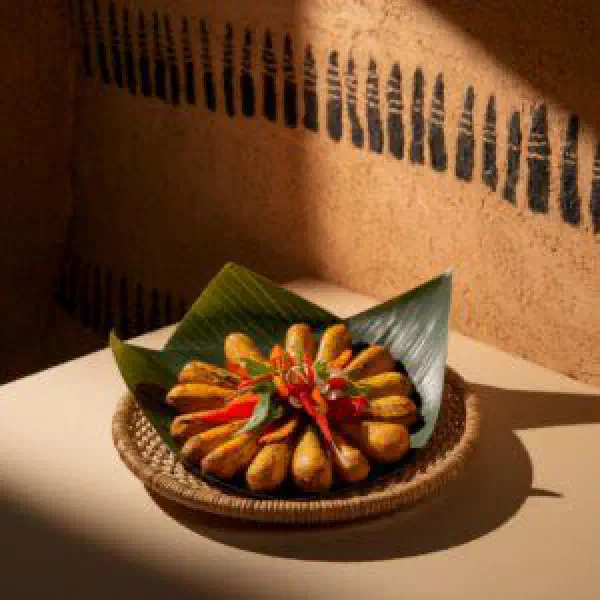
Hankpete is a traditional dish from Benin that captures the essence of West African cooking. It is built around steamed maize flour, brought to life with a choice of warming, punchy spices. Making it is as much a craft as it is a culinary exercise, the technique has been handed down through the generations and adjusted along the way. The savoury aromas and the soft yet substantial texture make this a genuine highlight of any meal.
Ingredients (serves 1–2)
- 200 g maize flour
- 500 ml water
- 1 teaspoon salt
- 2 tablespoons vegetable oil
- Spices to taste (paprika, pepper or chilli, for example)
- Fresh vegetables (tomatoes, onions) to serve alongside
Shopping for the ingredients
Hankpete calls for a short list of basic ingredients, most of which are easy to track down. The key item is of course the maize flour, which forms the whole foundation of the dish. African, Asian and general international grocers usually stock it in several grinds, so it is worth asking which one they recommend for steaming. Pick your vegetables and spices according to your own palate.
Preparing the dish
Before you start, gather everything you need and wash and chop the vegetables. The preparation runs through a few simple stages, none of them demanding, so the dish can be on the table without much fuss. Good timing matters here, as it lets the flavours come through properly. Begin by measuring out the ingredients and make sure your work surface is tidy and organised.
Step-by-step instructions
- Tip the maize flour into a bowl and add the salt.
- Pour in the water slowly, mixing well until you have a smooth, even batter.
- Transfer the mixture to a steamer and steam for around 30 minutes.
- Meanwhile, chop the vegetables finely and sauté them if you like.
- Once steamed, divide the hankpete into portions and arrange with the vegetables.
Gluten-free / lactose-free version
For anyone watching their gluten or lactose intake, hankpete is an excellent choice. Maize flour is naturally gluten-free, which makes it an ideal base for people with a gluten intolerance. The dish needs no dairy at all, so it is equally suited to a lactose-free diet, much like the maize-based Akassa. That means guests with particular dietary requirements can tuck in without a second thought.
Tips for vegans and vegetarians
Hankpete is naturally vegan and vegetarian, making it a natural fit for anyone who prefers plant-based food. To make it more interesting still, add extra vegetables or pulses to boost the nutritional density. Experiment with spices such as turmeric or cumin to give the dish a signature note of its own. Small adjustments like these broaden both the flavour and the variety of the meal.
More tips and tricks
To coax the best flavour out of your hankpete, try different cooking methods. Sautéing the vegetables in an aromatic marinade intensifies the flavours and lifts the whole plate. Keep an eye on the consistency of the maize batter as you mix, since that is what determines the final texture. Finally, it is well worth making the dish fresh and serving it warm for the fullest flavour.
Adapting the recipe to your taste
Hankpete adapts easily to personal preference. Try different spices to vary the heat and the overall character of the dish. If you lean towards sweeter flavours, work in fillings such as banana or mango, an approach that also underpins Klaklo. Variations like these keep the recipe interesting and make it suitable for almost any taste and occasion.
Ingredient substitutions
If you do not have the right ingredients to hand, there are a few workable alternatives. Instead of maize flour you can use millet or rice flakes, which give a similar consistency. Where fresh vegetables are lacking, good frozen produce is a perfectly sensible option. Either way you can still put together a delicious plate without sacrificing flavour.
Drink pairing ideas
Several drinks complement hankpete nicely. A chilled glass of natural mineral water makes a refreshing partner. For a more authentic experience, reach for West African drinks such as hibiscus tea, served in Benin as Bissap, or palm wine. These offer depth of flavour and a genuine sense of the culture the dish belongs to.
Serving and presentation ideas
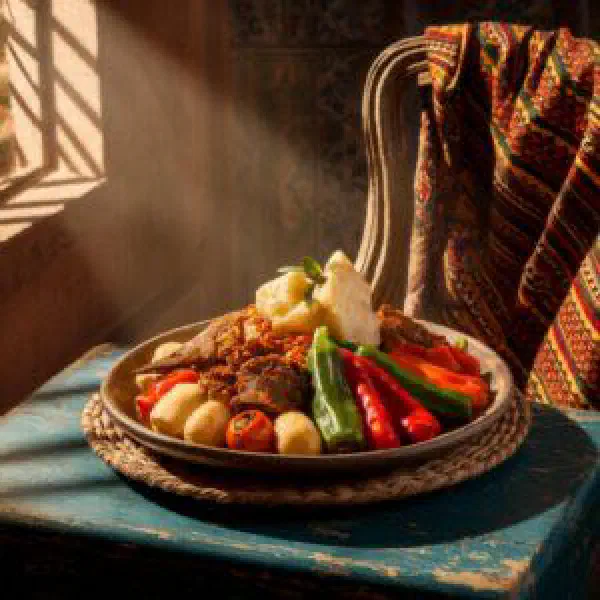
Presentation can make a real difference to the hankpete experience. Serve it in an attractive clay or wooden bowl for a rustic, traditional look. Garnish with fresh chives or parsley to add a little visual contrast. A well-arranged plate does more than whet the appetite. It is also a way to impress your guests and put the culture of Benin front and centre.
A bit of history
The origins of hankpete reach deep into Beninese culture and history. The dish has evolved over time yet stays true to its traditional roots. It is often served at festive occasions and family gatherings, which underlines its standing as part of the country’s culinary heritage. Both the flavours and the method of preparation reflect the convivial, community-minded spirit that runs through Beninese cuisine.
More recipe ideas
Summary: Hankpete
Hankpete is more than just a dish; it is a symbol of Beninese culture and an experience that wins over hearts as readily as palates. With its straightforward preparation, its hearty texture and the many ways it can be adapted, it works beautifully for any occasion.