National Dish Benin: Kuli-Kuli (Recipe)
In this article
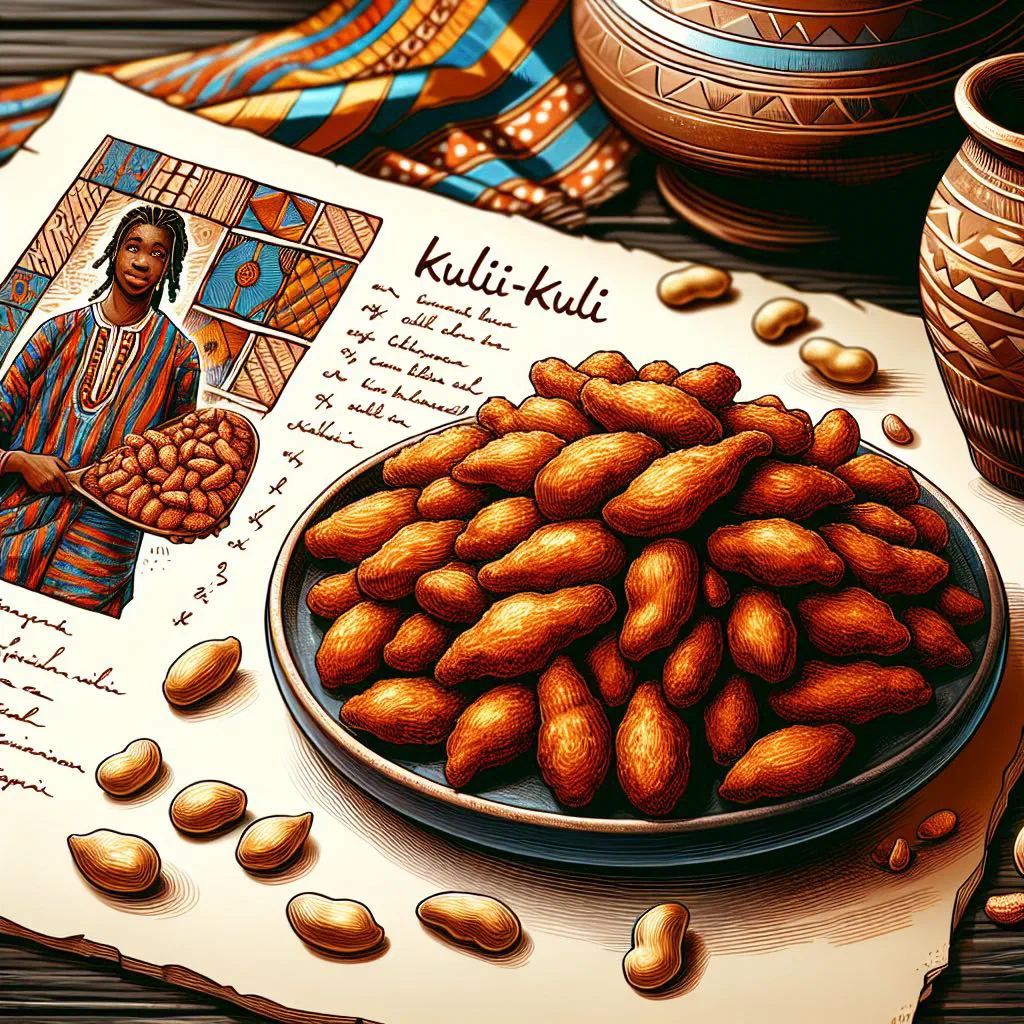
Meet Kuli-Kuli, the crunchy roasted-peanut snack that West Africa has been nibbling on for generations. Made from little more than roasted peanuts, a splash of water and a pinch of seasoning, these golden bites are as simple to make as they are moreish. Eat them straight from the bowl, crumble them over a salad or serve them alongside a stew, either way, they carry the warm, nutty character of Benin’s markets right into your kitchen.
About Kuli-Kuli
Kuli-Kuli is a traditional snack from Benin made from roasted peanuts. These crisp little morsels are a favourite between meals and an excellent side dish for many West African plates. The preparation is flexible enough to take Kuli-Kuli in all sorts of directions, from sweet to savoury. The dish captures the richness of West African cooking, and it is genuinely easy to make at home.
Ingredients (serves 1–2)
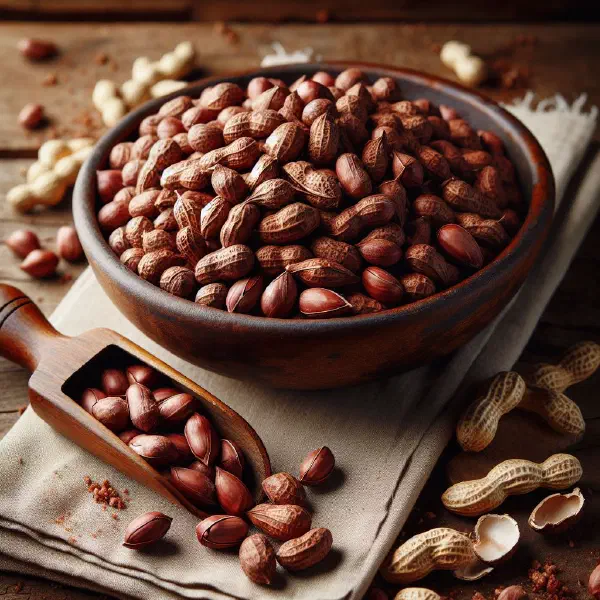
- 200 g roasted peanuts
- 2–3 tablespoons water
- 1–2 tablespoons honey or sugar (optional)
- 1 pinch of salt
- Spices to taste (e.g. paprika, garlic powder)
Shopping for the ingredients
The ingredients for Kuli-Kuli are available in most African or Asian grocery shops. Choose good-quality peanuts, since they form the whole foundation of the dish. If you are cooking gluten-free, check that the spices you use are also free from gluten. Reaching for local honey can lift both the freshness and the flavour of the finished snack.
Preparing the dish
To make Kuli-Kuli, start by removing the skins from the roasted peanuts if they are still on. Tip the nuts into a food processor and blitz them until you have a smooth, even paste. Add water, honey or sugar and your chosen spices as needed. The trick to the right consistency is to add everything gradually, until the mixture holds its shape without turning sticky.
Step-by-step instructions
- Put the peanuts in a food processor and blend to a paste.
- Add 2–3 tablespoons of water and keep blending until smooth.
- Season the mixture with salt and any other spices you like.
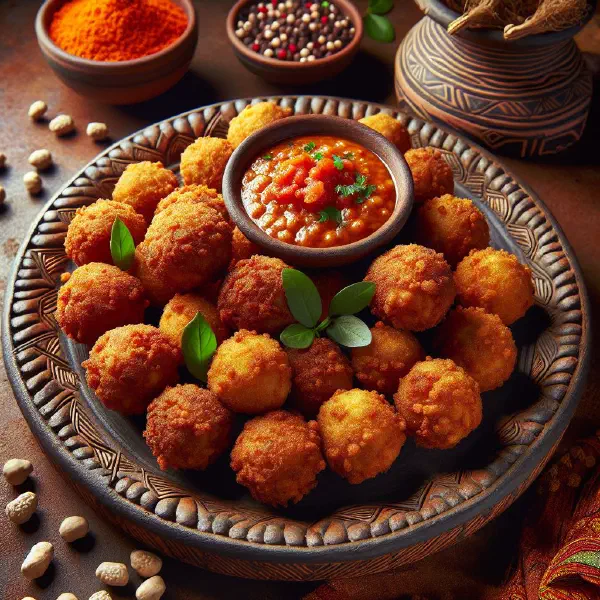
- Shape small balls or flat discs from the paste.
- Bake the kuli-kuli at 180 °C for around 15 minutes, until crisp.
Gluten-free / lactose-free version
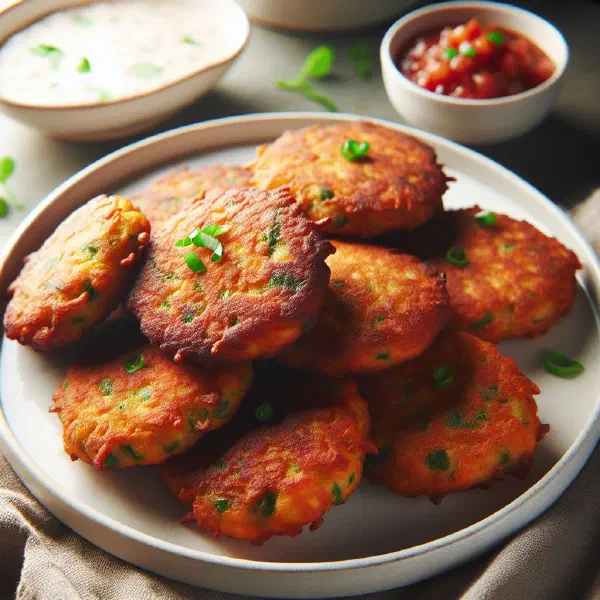
Kuli-Kuli is naturally gluten-free, as long as you make sure your spices contain no gluten-based ingredients. It is lactose-free too, since the recipe uses no dairy at all. For a firmer bind, swap the honey or sugar for plant-based binding agents, particularly useful for vegans. That way the snack can be adjusted entirely to suit your needs, much like the crisp bean fritters in Akara.
Tips for vegans and vegetarians
Kuli-Kuli is a great choice for vegans, as it is made purely from plant ingredients. Replace the honey with agave syrup or another vegan sweetener and the recipe stays one hundred per cent plant-based. Play around with different spices and aromatics to find your own signature version. You can also serve Kuli-Kuli with fresh fruit or vegetables to turn it into a more balanced meal.
More tips and tricks
To deepen the flavour of Kuli-Kuli, try toasting the peanuts lightly again before blending. Adding herbs such as coriander or parsley brings a fresh note to the mix. Keep a close eye on the oven, over-baking will cost you that all-important crispness. You can also vary the texture by leaving some of the paste coarse and grinding the rest finely.
Adapting the recipe to your taste
Kuli-Kuli takes beautifully to adaptation. If you like heat, work in chilli or other fiery spices, the same approach that gives grilled Suya its kick. For a sweeter version, add more honey or fold in dried fruit. That flexibility makes Kuli-Kuli a versatile snack with something to offer everyone, and the interesting mix of flavours means every ingredient can be varied at will.
Ingredient substitutions
If you have no peanuts to hand, other nuts such as almonds or cashews will give Kuli-Kuli a new flavour dimension. Instead of peanuts you might also try roasted seeds such as pumpkin or sunflower. These alternatives are often lighter as well as offering completely new flavour experiences. Be creative and let the sheer variety of nuts and seeds guide you, peanuts also do sterling work in Sauce d’Arachide.
Drink pairing ideas
Plenty of drinks suit Kuli-Kuli. A refreshing ginger tea or a fruity smoothie made from tropical fruit complements the savoury snack nicely, as does a chilled glass of hibiscus Bissap. Sparkling water with a squeeze of lime is another cooling option. Paired with something lightly alcoholic, such as a white sangria or a fruit-forward cocktail, the whole experience is lifted further.
Serving and presentation ideas
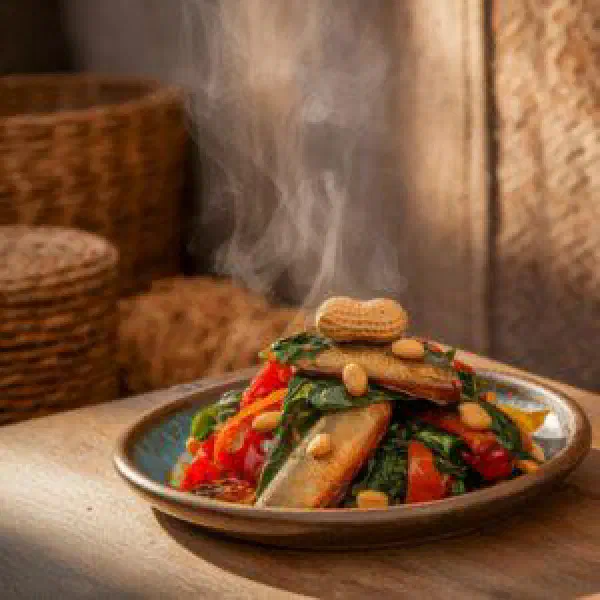
Presentation makes a real difference when serving Kuli-Kuli. Set the snacks out on a colourful plate or in small bowls to show off the range of textures and shades. For a festive touch, decorate with fresh herbs or unusual fruit. An attractive arrangement is often all it takes to build anticipation and make the aromas seem even more inviting.
A bit of history
Kuli-Kuli has a long history in West Africa, and in Benin in particular. It was traditionally made at home by families and sold as a popular snack at markets. Local cooks also use Kuli-Kuli as an ingredient in other dishes, such as soups or salads, to add extra protein and flavour. It forms part of the cultural identity of the region and reflects the versatility and richness of Beninese cuisine.
More recipe ideas
Summary: Kuli-Kuli
Kuli-Kuli is a delicious, adaptable snack that captures the flavours and the culture of West Africa. Its straightforward preparation and the many ways it can be varied make it ideal for any gathering or occasion. Kuli-Kuli is always a pleasure. Discover the variety of flavours Benin has to offer and bring a piece of this remarkable food culture into your own kitchen.