National Dish Benin: Lanmoumou (Recipe)
In this article
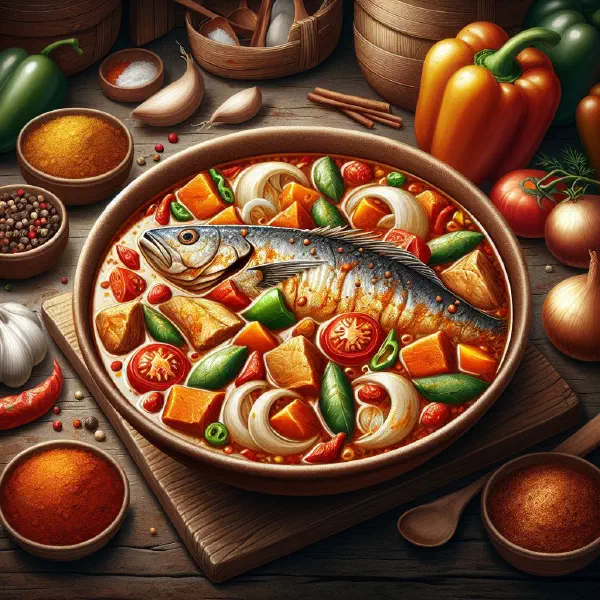
Meet Lanmoumou, a wonderfully fragrant okra and fish dish that shows off the culinary richness of Benin. Tender pods are simmered with flaky white fish, sweet onions and warming spices until everything melds into something deeply savoury. It is nourishing, quick to put together and an easy way to bring the flavours of West Africa into your own kitchen, as a main course or as a generous side.
About Lanmoumou
Lanmoumou is a traditional dish that captures the culinary variety of Benin in the most delicious way. It brings together tender okra and a range of hearty ingredients, among them fresh fish and aromatic spices. The dish is nutritious and an ideal way to experience the flavours of West Africa at home. Lanmoumou never fails to surprise with its distinctive character.
Ingredients (serves 1–2)
- 200 g fresh okra
- 150 g fish fillet (mackerel or tilapia, for example)
- 2 tablespoons groundnut oil
- 1 onion
- 2–3 cloves of garlic
- 1 teaspoon freshly grated ginger
- 1 teaspoon paprika
- Salt and pepper to taste
- 1 cup vegetable stock
- Fresh herbs, to garnish (parsley or coriander)
Shopping for the ingredients
For Lanmoumou it is worth paying close attention to the freshness of both the okra and the fish. Seasonal vegetables, full of flavour, will always give you the best results. Groundnut oil lends the dish a particular character and stands up well to heat, which makes it the natural choice here. Shop at a well-stocked supermarket or a local market and you will usually find these ingredients without difficulty, much as you would when putting together a Sauce Feuilles.
Preparing the dish
Before you start cooking, it is important to prepare the ingredients properly. The okra should be washed and the ends trimmed off to improve the texture. The fish fillet needs a good clean too, then cut it into bite-sized pieces. Chop the onion and garlic finely so their flavours distribute evenly through the dish and come through at their best.
Step-by-step instructions
- Heat the groundnut oil in a pan over a medium heat.
- Add the chopped onion, the garlic and the ginger, and fry for about 2–3 minutes until translucent.
- Tip the okra into the pan and cook, stirring, for around 5 minutes.
- Add the fish and the paprika and fry for a further 3–4 minutes.
- Pour in the vegetable stock and let everything simmer for another 10–15 minutes, until cooked through.
- Season with salt and pepper and garnish with fresh herbs.
Gluten-free / lactose-free version
Lanmoumou is naturally gluten-free and lactose-free as long as you use fresh, unprocessed ingredients. Do check that your spices contain no gluten-based additives, as some blends do. With that one small precaution, nothing stands in the way of enjoying this delicious dish, even for anyone living with an intolerance.
Tips for vegans and vegetarians
For a vegan version of Lanmoumou, swap the fish fillet for tofu or another plant-based protein. The groundnut oil can be replaced with coconut oil if you would like a slightly different flavour profile. You can also round the dish out with a wider range of vegetables to raise the nutritional value and vary the texture. Adaptations like these respect the traditional recipe while opening the door to new tastes.
More tips and tricks
To intensify the flavours in Lanmoumou, add a squeeze of lemon juice just before serving. It brings freshness and a welcome contrast to the richness of the stew. Take care not to overcook the okra, or the texture will turn mushy rather than tender. Experiment with different spices to refine the dish to your own taste.
Adapting the recipe to your taste
Everyone has their own preferences when it comes to food. If you like heat, add chilli or cayenne pepper to give Lanmoumou a fiery edge. If milder flavours suit you better, reduce the quantity of spices or leave the hot ingredients out altogether. Stick to the base ingredients and vary the rest according to personal taste, the same freedom you have with a bowl of Fevi.
Ingredient substitutions
If fresh okra is hard to come by, frozen okra works perfectly well. It is often just as nutritious and can be used without any great loss of flavour. Alternatively, try other vegetables such as green beans or courgette, both of which make a fine dish in their own right.
Drink pairing ideas
The perfect partners for Lanmoumou are fresh, unsweetened fruit juices or a light beer. Drinks like these help round off the spices in the dish and provide a refreshing counterpoint. A herbal lemonade or a fresh mint tea are excellent options too, as is a chilled glass of Bissap, the hibiscus drink found across West Africa.
Serving and presentation ideas
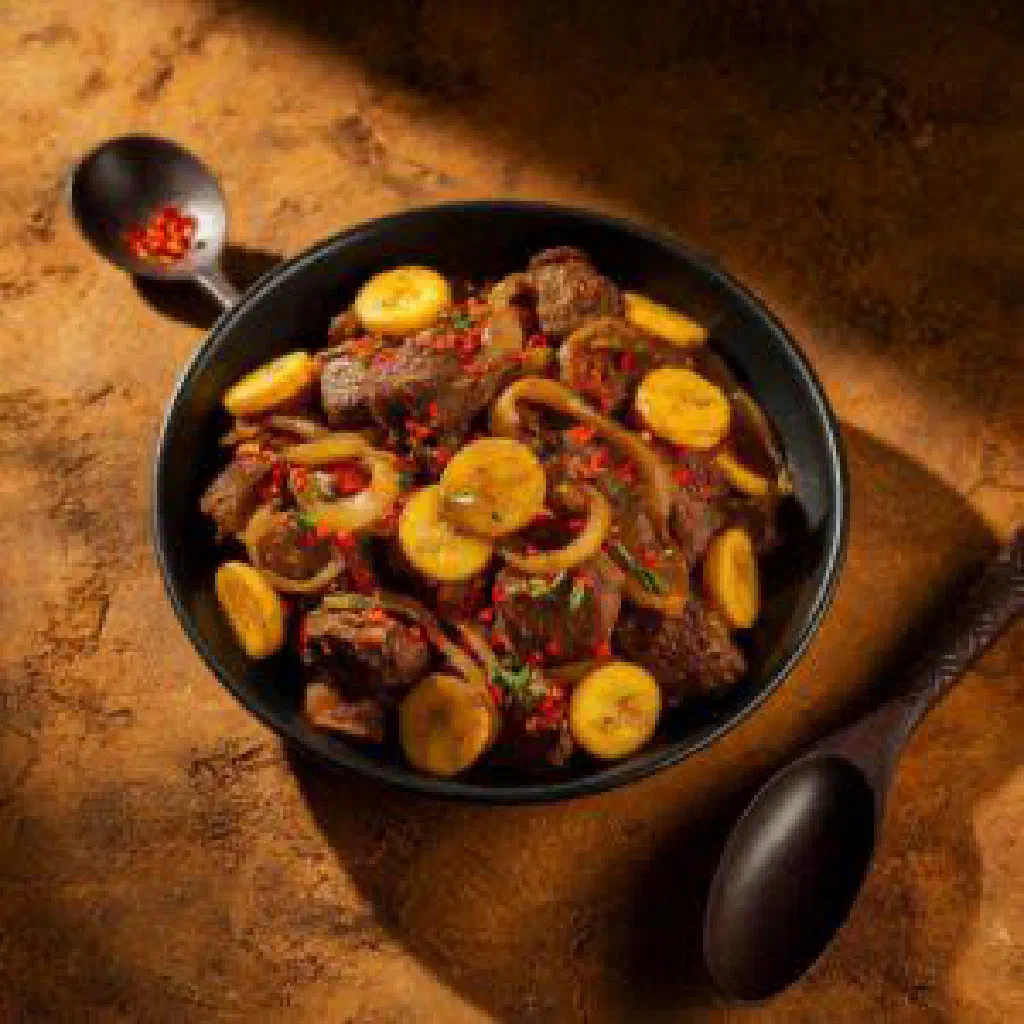
A beautifully arranged plate of Lanmoumou can lift any table. Serve the dish in a large bowl, garnished with fresh herbs and finished with a squeeze of lemon. Use colourful plates or bowls to bring out the greens and golds of the stew. An appealing presentation makes sure the meal appeals to the eye as well as the palate.
A bit of history
Lanmoumou has its roots in the traditional cooking of Benin, where it has been prepared for generations. It reflects the food culture of West Africa and shows how local ingredients are transformed into something delicious. The dish was originally made within local communities and has, over time, become a symbol of culture and hospitality, a thread that runs through all of Beninese cuisine. It brings people together and shares a fascination with the sheer variety of flavours and aromas.
More recipe ideas
Summary: Lanmoumou
All in all, Lanmoumou is a delicious and nourishing dish that captures the flavours of Benin perfectly. With its flexible method and the scope it gives you to adapt the recipe to your own preferences, it has something for every palate. Lanmoumou will make a fine addition to your repertoire. Let this traditional dish inspire you and bring a piece of West African culture to your plate.