National Dish Benin: Millet Couscous (Recipe)
In this article
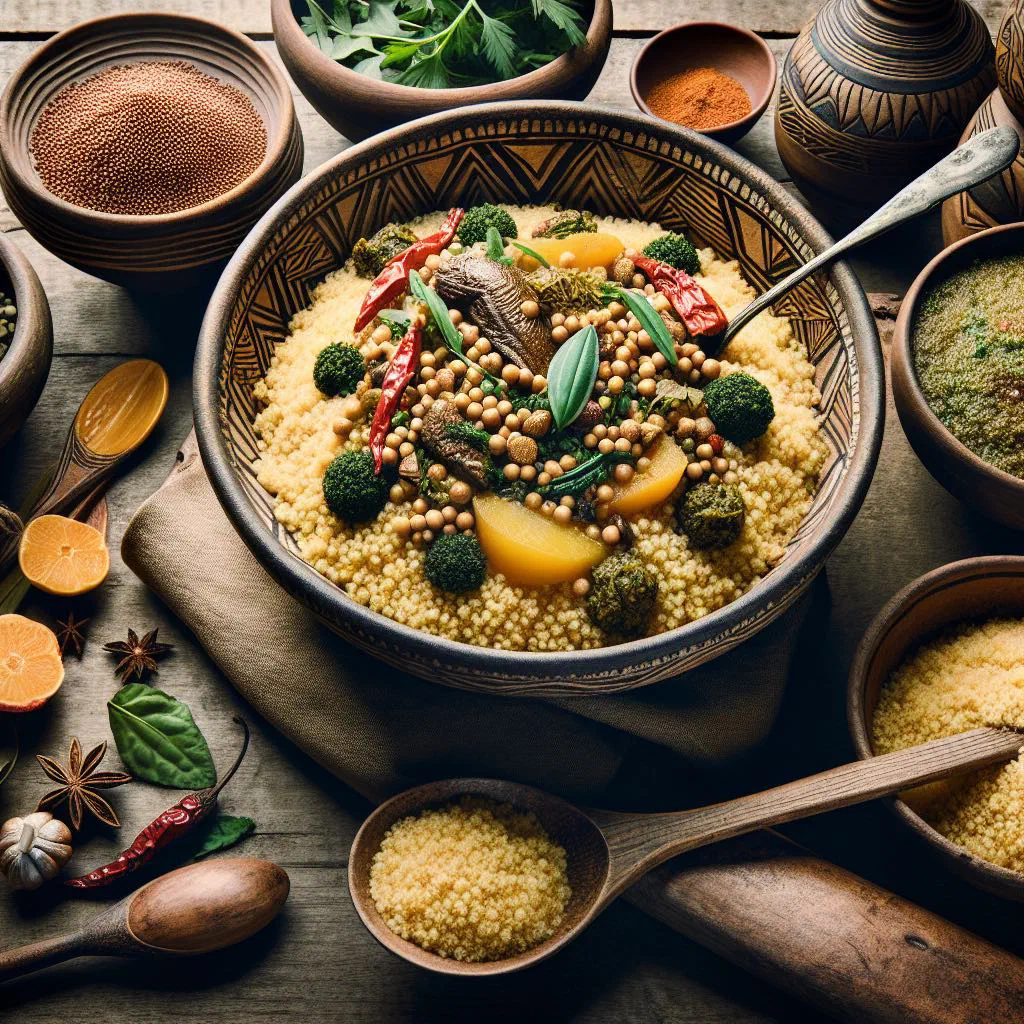
Discover Millet Couscous, one of the great staples of Benin. Fluffy steamed millet with a gentle, nutty character makes this naturally gluten-free grain dish as welcome alongside a rich stew as it is at the centre of the plate. It is simple, nourishing food that carries generations of West African tradition, and it is far easier to make at home than you might expect.
About Millet Couscous
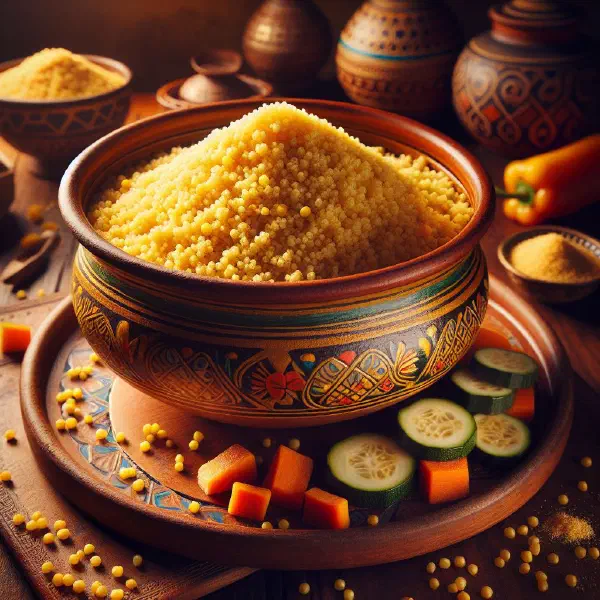
Millet Couscous, known locally as couscous de mil, is a traditional dish from Benin prepared from millet. Naturally gluten-free, it has a distinctive nutty flavour and is not only delicious but exceptionally nourishing. Millet is an excellent source of fibre, vitamins and minerals, which makes this dish a genuinely healthy choice for any meal. Thanks to its versatility it can be served either as a side or as a main course, and it pairs beautifully with all manner of vegetables and stews, much as Wassawassa does in the same tradition.
Ingredients (serves 1–2)
- 200 g millet
- 500 ml water or vegetable stock
- 1 teaspoon salt
- 2 tablespoons olive oil or coconut oil
- Vegetables of your choice (carrots, courgette, peppers)
- Spices to taste (pepper, cumin, chilli)
Shopping for the ingredients
The ingredients for millet couscous can usually be found in a well-stocked supermarket or an African or Asian grocery. Millet comes in several forms, hulled and unhulled among them. Look for well-stored packets so you know the grain is fresh and will deliver the best flavour. It is also worth choosing good-quality oils and fresh vegetables, since both do a great deal to lift the finished dish.
Preparing the dish
Before you begin cooking millet couscous, gather all your ingredients and prepare whichever vegetables you have chosen. Rinse the millet thoroughly to wash away any dust or grit. The vegetables can be diced or cut into strips, which keeps the cooking time short. Have your spices and oils to hand as well. These are what give the dish its final polish.
Step-by-step instructions
- Rinse the millet in a sieve until the water runs clear.
- Bring the water or vegetable stock to the boil in a pan and add the salt.
- Add the millet to the boiling liquid and reduce the heat.
- Cover the pan and simmer for about 20 minutes, until the liquid has been fully absorbed.
- Heat the oil in a separate frying pan and sauté the prepared vegetables.
- Fold the cooked couscous through the sautéed vegetables and season to taste.
- Serve and enjoy.
Gluten-free / lactose-free version
One of the great advantages of millet couscous is that it is naturally both gluten-free and lactose-free, provided no gluten-containing ingredients are added. Using millet makes it an ideal choice for anyone with an intolerance or allergy. Do check that your vegetable stock and oil contain no hidden gluten. Prepared this way, the dish suits practically every diet.
Tips for vegans and vegetarians
Millet couscous is not only a superb option for anyone eating vegan or vegetarian, it is also endlessly adaptable. Add plant proteins such as chickpeas, lentils or tofu to make the dish more substantial. Try varying the spices, too, to uncover new flavours and keep things interesting. Seasonal vegetables give you even greater variety from one month to the next.
More tips and tricks
To get the most out of millet couscous, a few small things matter. Cooking the grain properly is key so that it turns out tender and evenly fluffy rather than claggy. Adding fresh herbs and warm spices deepens the aroma considerably. Consider finishing the dish with nuts or seeds for extra crunch and nutrition. Presentation counts as well, serve it in an attractive bowl and it becomes altogether more appealing.
Adapting the recipe to your taste
The beauty of millet couscous lies in how freely it can be reworked. Combine different vegetables, herbs or spices to suit your own palate. Adding dried fruit or nuts creates extra textural interest and enriches the whole plate. Experimenting with different stocks or oils can also bring surprising new flavours to the fore. Trust your instincts and let your creativity run.
Ingredient substitutions
If you do not have every ingredient to hand, or simply fancy a change, millet couscous adapts easily. Quinoa or rice can stand in for the millet, though cooking times will differ. The vegetables can be swapped according to the season or your own preference. The spicing is equally flexible, a spoonful of Peanut Sauce folded through turns the dish into something altogether richer.
Drink pairing ideas
Several drinks complement the flavour profile of millet couscous nicely. A fresh salad with a citrus dressing and a glass of chilled Bissap make perfect companions. For those who enjoy something alcoholic, a light white wine or a fruity cocktail is an interesting choice. Herbal teas, or simply water with lime or mint, are refreshing additions to the meal.
Serving and presentation ideas
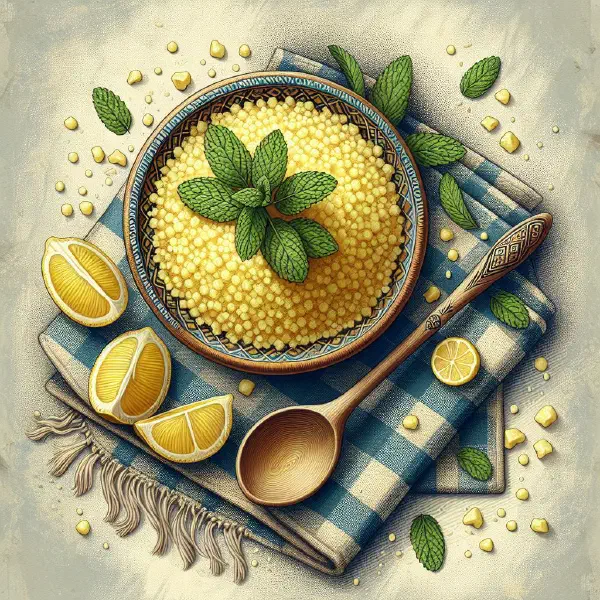
Presentation can improve the millet couscous experience considerably. Serve the dish in colourful bowls or on large platters and garnish with fresh herbs such as parsley or mint. A squeeze of lemon or lime over the top brightens both the colours and the flavour. Varying the textures and colours of the vegetables also makes for an inviting spread that draws your guests in.
A bit of history
Millet couscous has its roots in Beninese cooking, a tradition shaped strongly by agriculture and by the everyday eating habits of local communities. In many cultures millet is prized as a staple because it thrives in dry climates and is highly nutritious. Preparing millet dishes goes back a very long way, with methods handed down from one generation to the next. Today millet couscous is valued not only in Benin but across much of West Africa, and it remains a proud expression of Beninese cuisine.
More recipe ideas
Summary: Millet Couscous
Millet couscous is a versatile and genuinely wholesome dish made from millet, and an excellent choice for gluten-free and lactose-free eating. With its nutty character and the many ways it can be served, it turns an ordinary meal into something worth lingering over. Let the cooking of Benin inspire you and discover the rich flavours and cultural heritage packed into every mouthful. Enjoy making it, and enjoy sharing it with family and friends.