National Dish Benin: Monyo (Recipe)
In this article
Discover Monyo, a hearty cornmeal dish that sits right at the heart of Benin’s kitchen. Made from little more than maize flour, water and salt, it is transformed by the aromatic sauces and colourful vegetables served alongside it. Simple, filling and endlessly adaptable, monyo is the kind of food that brings people to the table together, and it takes only a handful of storecupboard staples to bring a taste of West Africa into your own home.
About Monyo
Monyo is a traditional dish from Benin that reflects the culinary richness of West Africa. It is prepared from cornmeal and is known for its hearty, savoury character. Monyo is very often served in company, making it a popular choice for strengthening community bonds and celebrating local culture. For many people in Benin the dish carries fond memories of family gatherings and village festivities.
Ingredients (serves 1–2)
- 200 g cornmeal
- 500 ml water
- 1 teaspoon salt
- Optional spices (chilli, garlic)
- An aromatic sauce or vegetable side of your choice
Shopping for the ingredients
To make monyo well, it pays to track down the right ingredients. Cornmeal is stocked by most African and Asian grocery shops as well as by well-stocked supermarkets. Look for fresh, good-quality produce to guarantee the best flavour. The optional spices in particular leave plenty of room to vary things according to your own taste, so the dish can be tuned exactly to your preferences.
Preparing the dish
Before you start cooking, gather all your ingredients and set up your work surface evenly. It helps to have every utensil to hand, a saucepan, a sturdy wooden spoon and a bowl. Make sure the water is already at a rolling boil before you add the cornmeal, as this is what gives the dish its correct consistency. Good preparation really is the key to a successful result.
Step-by-step instructions
- Bring the water to the boil in a saucepan and add the salt.
- Reduce the heat and pour in the cornmeal slowly, stirring constantly to avoid lumps.
- Cook the mixture, still stirring, until it reaches a firm consistency.
- Shape the monyo into small portions and leave it to cool a little.
- Serve with an aromatic sauce or a vegetable side dish.
Gluten-free / lactose-free version
Monyo is naturally gluten-free and lactose-free, since it consists mainly of cornmeal. That makes it an excellent choice for anyone with particular dietary restrictions. You will simply want to check that the sides and sauces are free from gluten and lactose too, a fresh Moyo Sauce is an easy, naturally safe option. For a lighter, more nourishing plateful, fold extra vegetables into the meal.
Tips for vegans and vegetarians
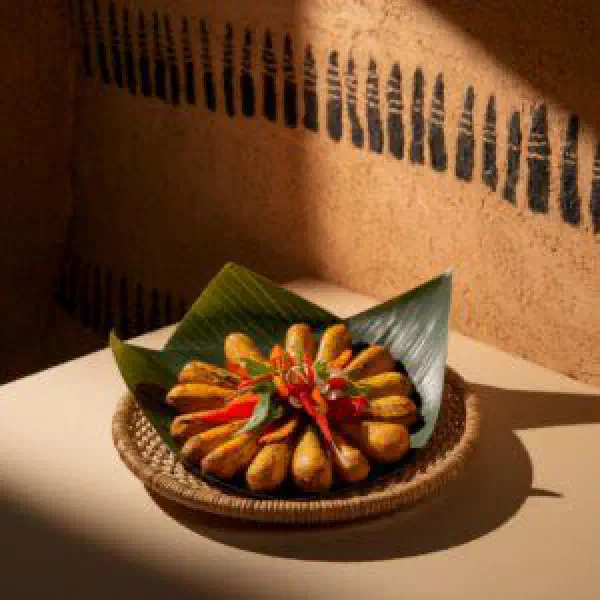
Monyo makes a wonderful base for vegan and vegetarian versions. The dish adapts effortlessly if you build the meal around plant-based sauces and vegetables. Adding protein-rich ingredients such as lentils or beans makes it more sustaining, and something like Akara, crisp bean fritters, is a natural partner. The sheer variety of possible sides lets you vary the flavours at will and keep the plate looking colourful.
More tips and tricks
A few tricks make monyo easier to get right. If you want to adjust the consistency, simply vary the amount of water: a little more liquid and a slower simmer gives a creamier texture. Experiment with different spices to intensify the flavour, and keep trying new combinations. That way you can tailor your monyo to your own preferences and discover fresh variations each time you cook it.
Adapting the recipe to your taste
The flexibility of monyo means you can shape it around what you personally enjoy. If you like things fiery, add more chilli; for milder palates, hold back on the seasoning. The choice of accompaniment can change too, depending on what you have available or what you fancy most. Handled this way, monyo never becomes dull and stays an exciting dish in your kitchen.
Ingredient substitutions
For a different take on monyo, alternative flours work nicely. Instead of classic cornmeal, try millet flour or sweet potato flour to explore new flavours and textures, much the same principle behind Couscous De Mil. Experiment with different sauces to add another dimension, or lift the dish with fresh herbs. Substitutions like these enrich the recipe and let you adapt it to all kinds of preferences.
Drink pairing ideas
Monyo pairs beautifully with a wide range of drinks that round off the meal. A cold, refreshing drink such as hibiscus tea, known locally as Bissap, or a light fruit juice suits it especially well. If you would rather have something alcoholic, a light beer or a fruity wine both work. Traditional Beninese drinks such as palm wine also make a delicious companion to this dish.
Serving and presentation ideas
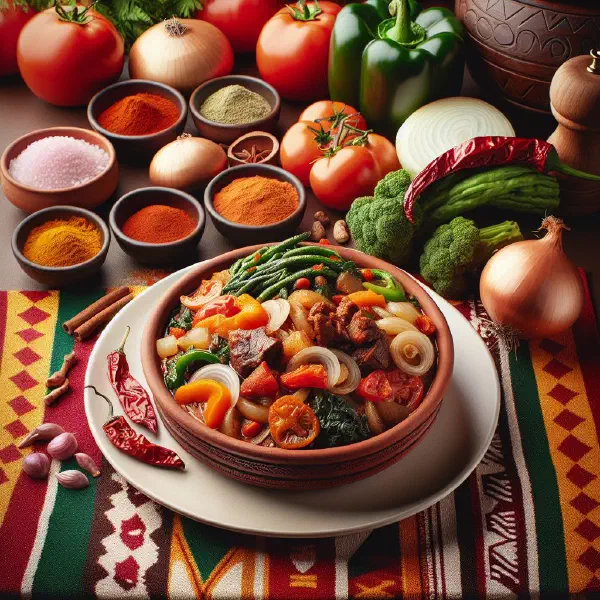
Presentation can lift the whole monyo experience considerably. Serve the dish in colourful bowls or on platters so the vivid tones of the sides come into their own. Garnish with fresh herbs or a squeeze of lemon to create visual interest and please the palate. An attractive spread encourages that sense of shared eating and turns every meal into something a little special.
A bit of history
Monyo has its roots in Beninese culture and is often seen as a symbol of hospitality and tradition. It was historically a dish served at festivals and gatherings to strengthen the community. Its origins lie in the farming practices of the region, where maize plays a central role in the local diet. Today monyo is still valued and celebrated on all kinds of occasions, which underlines its lasting importance within Beninese cuisine.
More recipe ideas
Summary: Monyo
Monyo is a delicious, traditional dish that captures the essence of Beninese cooking. With its straightforward preparation and satisfying flavour, it suits everyday meals just as well as festive occasions. Monyo remains a much-loved dish that appeals to the palate and celebrates the culture of West Africa. Explore the many ways to enjoy it and bring a piece of Beninese culture to your table.