National Dish Benin: Saka Saka (Recipe)
In this article
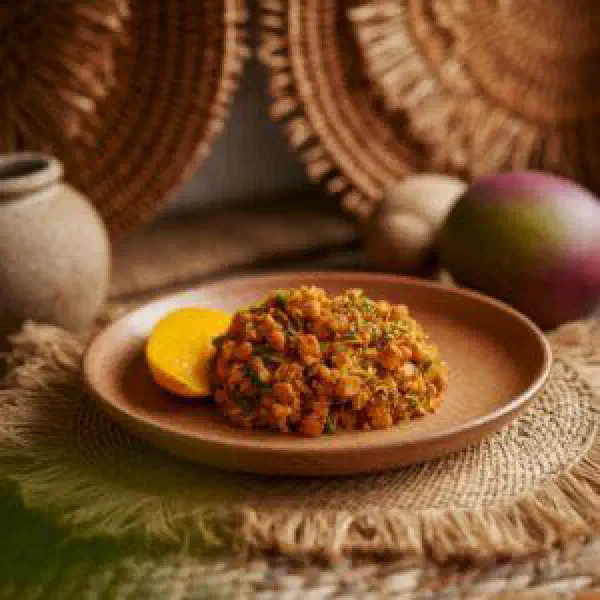
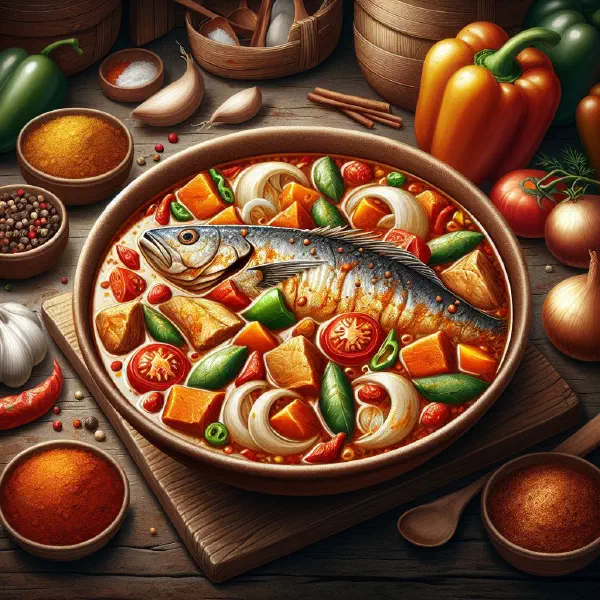
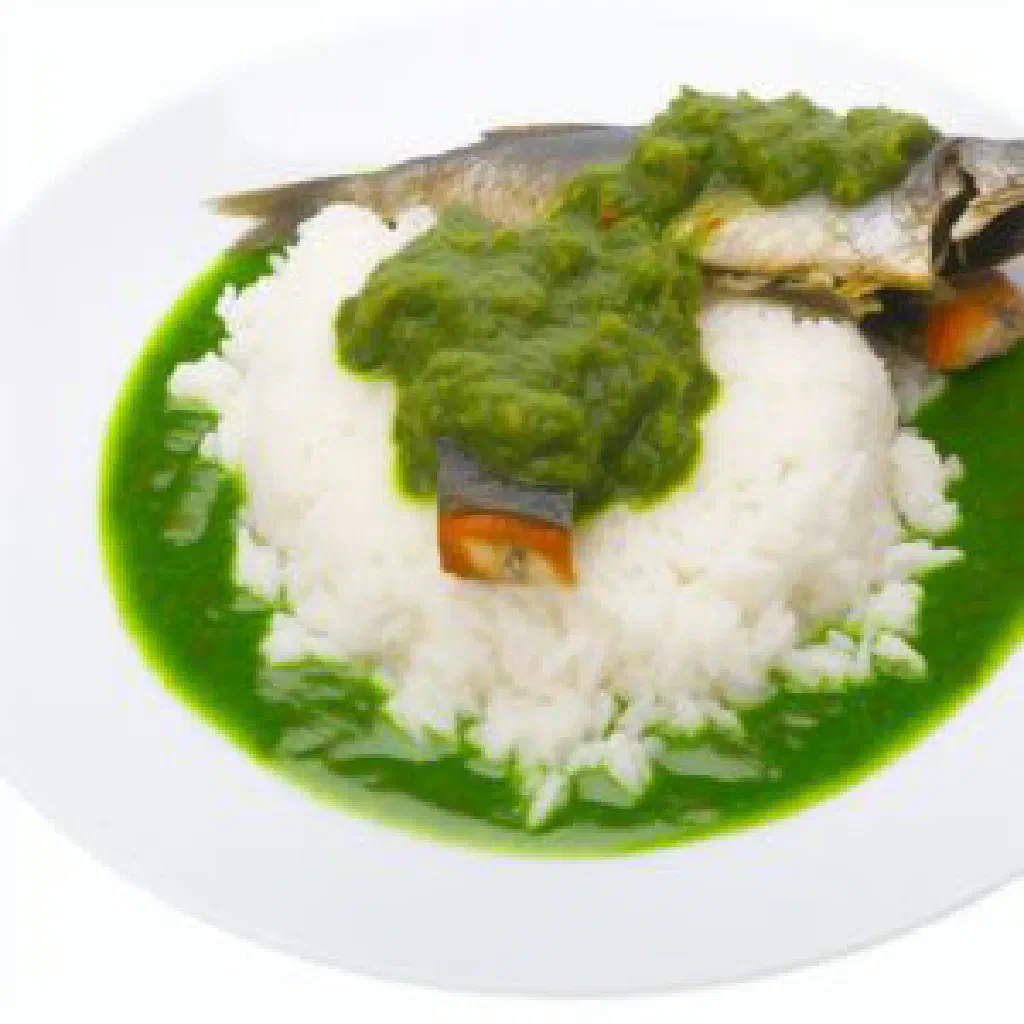
Discover Saka Saka, one of the great everyday classics of Benin. Built on finely chopped cassava leaves, gently simmered with palm oil, fish and a warm hit of chilli, it delivers the deep, earthy flavours that West African cooking does so well. It is nourishing, easy to put together and endlessly forgiving, the perfect introduction to the region’s food, made right in your own kitchen.
About Saka Saka
Saka Saka is a traditional dish from Benin built around cassava leaves. Those leaves are not only rich in nutrients, they also give the dish its unmistakable flavour and its distinctive, almost velvety texture. It is a fine example of just how versatile West African cooking can be. Saka Saka is most often prepared with fish and a generous range of spices, making it a genuine flavour experience that deserves a place in any kitchen.
Ingredients (serves 1–2)
- 200g cassava leaves
- 100ml palm oil
- 250g fish (mackerel or sardines, for example)
- 1 onion, chopped
- 2 cloves of garlic, chopped
- 1 teaspoon chilli powder (to taste)
- Salt and pepper
Shopping for the ingredients
The cassava leaves are the priority, since they form the entire base of the dish. Plenty of African grocers stock them either fresh or frozen, and the frozen ones work perfectly well here. The fish should be of good quality so that its flavour carries through the finished stew rather than getting lost. Pick up fresh onions and garlic too. They make a noticeable difference to the depth of the aromatics. If you enjoy this style of cooking, similar shopping trips will serve you well for Sauce Feuilles.
Preparing the dish
Preparing Saka Saka is straightforward and takes only a few basic steps. First, wash the cassava leaves thoroughly and chop them coarsely. Next, prepare the fish by removing the bones and cutting it into small pieces. Chopping the onion and finely mincing the garlic completes the groundwork and gives you the aromatic foundation the dish is built on.
Step-by-step instructions
- Heat the palm oil in a large pot over medium heat.
- Add the chopped onion and garlic and fry until golden brown.
- Tip in the prepared cassava leaves and stir well to coat.
- Add the fish and season with salt, pepper and chilli powder.
- Leave to simmer over low heat for around 20–30 minutes, until the leaves are tender.
Gluten-free / lactose-free version
Saka Saka is naturally gluten-free and lactose-free, as it contains neither grain products nor any dairy. That makes it an excellent choice for anyone managing those intolerances. For an even healthier version you can work in extra greens such as spinach or chard, which lift the nutritional content without altering the character of the dish.
Tips for vegans and vegetarians
If you would like a vegan or vegetarian Saka Saka, swap the fish for a plant-based protein such as tofu or seitan. It is also worth making sure the palm oil you use comes from a sustainable source. Beyond that, feel free to experiment with additional spices and herbs to vary and adjust the flavour to your liking.
More tips and tricks
To intensify the aroma of Saka Saka, try using smoked fish. It adds an extra dimension of flavour that really enriches the pot. It is also well worth cooking the dish ahead and letting it rest overnight in the fridge so the flavours have time to settle and deepen. When serving, a scattering of fresh herbs such as parsley or coriander brings a welcome touch of freshness and colour.
Adapting the recipe to your taste
Saka Saka takes happily to different spices and additions, so you can shape it around your own preferences. Pepper, turmeric or cumin all work well, depending on the direction you want to take. Adding other vegetables such as carrots or peppers will change both the texture and the nutritional value for the better.
Ingredient substitutions
If cassava leaves prove hard to find, spinach or chard will stand in for them in most cases. These greens behave similarly in the pot and bring their own gentle flavour to the dish. For the fish, seafood or plant-based alternatives are equally safe choices. Experiment with whatever regional ingredients you happen to have to hand, much as you would when cooking Gboman Sauce.
Drink pairing ideas
A hearty Saka Saka goes well with something simple: warm water or a light spritzer does the job nicely. If you prefer an alcoholic pairing, a fresh local beer is an excellent match. Fruity lemonades or homemade fruit drinks such as Bissap also work beautifully and underline the flavours of the dish. Avoid heavily carbonated drinks, which tend to mask the food rather than complement it.
Serving and presentation ideas
To present Saka Saka attractively, serve it in one large bowl to create a relaxed, family-style atmosphere. Garnish with fresh herbs and a few slices of lemon for colour and brightness. You can also offer a range of sides, such as rice or fufu, which turn the meal into something more substantial. A little table decoration with a West African touch rounds off the occasion perfectly.
A bit of history
Saka Saka has a rich culinary history that runs deep through the culture of Benin. Once regarded as everyday fare, the dish was often prepared for festivals and celebrations as well. Historically, people in the region relied on locally grown, organic ingredients to build their traditional recipes, which were then handed down from one generation to the next. The dish reflects the culture and traditions of West Africa and remains an essential part of the region’s identity, a cornerstone of Beninese cuisine.
More recipe ideas
Summary: Saka Saka
Saka Saka is more than just a dish; it is an experience that ties together flavour, tradition and genuinely good nutrition. With its nutrient-rich ingredients and its flexibility in the kitchen, it is the perfect choice for anyone setting out to discover West African cooking. Saka Saka is easy to prepare and delivers a taste that stays with you. Enjoy the flavours of Benin and let this culinary treasure inspire you.