National Dish Benin: Sinzin (Recipe)
In this article
Meet Sinzin, a warming classic from Benin that pairs tender steamed cornmeal dumplings with a rich, nutty peanut sauce. It is the kind of food that fills a house with the smell of frying onions, garlic and ginger long before anyone sits down to eat. Simple to make, generous to share and naturally suited to plant-based diets, Sinzin brings the flavours of West Africa straight to your own kitchen.
About Sinzin
Sinzin is a traditional dish from Benin built around soft, steamed cornmeal dumplings and a fragrant peanut sauce. It brings together earthy, spicy and nutty notes in a way that satisfies far beyond the plate, which is why it so often appears at celebrations and family gatherings. The creamy sauce clinging to the hearty dumplings has made Sinzin something of a symbol of Beninese hospitality, a dish you serve when you want guests to feel properly looked after.
Ingredients (serves 1–2)
- 200 g cornmeal
- 150 ml water
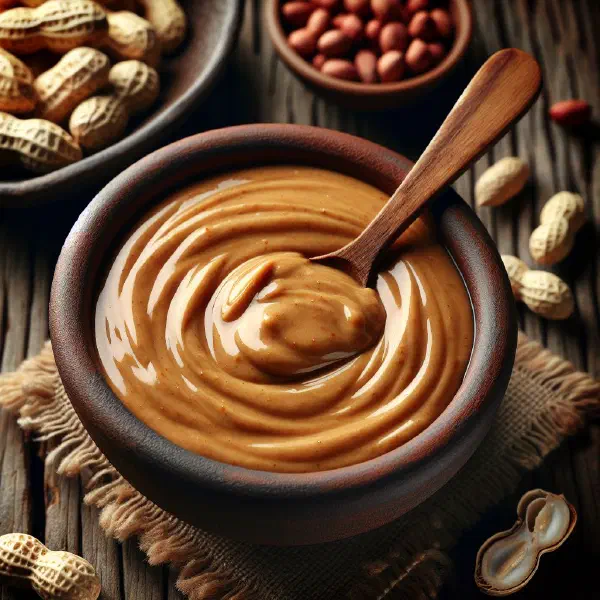
- 100 g peanut butter
- 1 onion
- 2 cloves of garlic
- 1 teaspoon ginger
- 1 teaspoon salt
- Seasoning to taste (chilli, herbs)
Shopping for the ingredients
Everything you need for Sinzin is available in most supermarkets or, more reliably, in African grocery shops. Cornmeal, peanut butter and fresh aromatics can be bought fresh or dried depending on what you find. When choosing the peanut butter, look for a version made without added sugar or artificial additives so the true nutty flavour comes through. Good cooking starts at the shop, so pick the best-quality ingredients you can for the best result.
Preparing the dish
Getting ready to cook Sinzin is straightforward and takes very little time. Begin by finely chopping the onion, garlic and ginger so their aromas release properly during frying. Mix the cornmeal thoroughly with the water until you have a smooth, even dough. Let the dough rest for around 10 minutes so it can swell and firm up slightly before shaping.
Step-by-step instructions
- Bring a steamer or a large pan of water to the boil.
- Shape small dumplings from the prepared dough.
- Place the dumplings in the steamer and steam for about 20 minutes.
- Meanwhile, make the peanut sauce by frying the onion, garlic and ginger in a pan.
- Add the peanut butter and stir well until you have a creamy sauce.
- Serve the steamed dumplings with the peanut sauce spooned over.
Gluten-free / lactose-free version
Sinzin is easily made gluten-free, since it is based mainly on cornmeal rather than wheat. The dish is also naturally lactose-free, as no dairy is needed at any stage. Just check that the peanut butter you use contains no added animal fats, which keeps the whole plate plant-based and light.
Tips for vegans and vegetarians
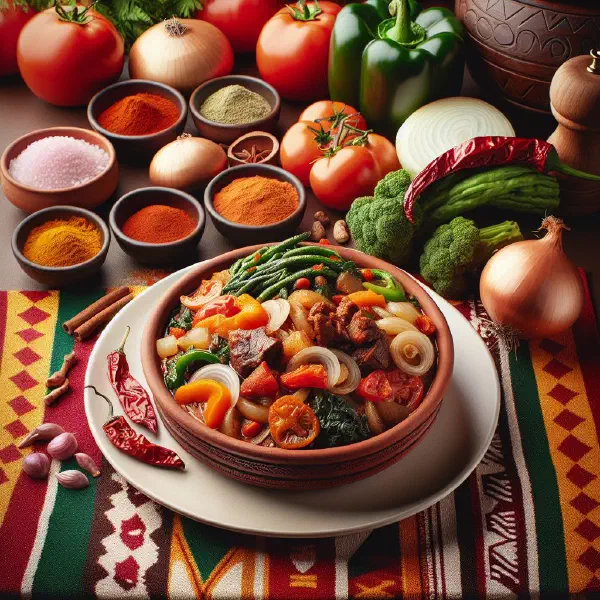
Sinzin is naturally vegetarian and very easily vegan, which makes it an excellent choice for anyone avoiding animal products. If you are cooking for a vegan group, use plant oils instead of butter and double-check that every ingredient is free from animal by-products. The peanut sauce also takes well to extra vegetables such as spinach or carrots, adding both nutrients and colour. Be creative, the sauce is forgiving.
More tips and tricks
To make Sinzin even more flavourful, experiment with different spices to shift the character of the sauce. A touch of chilli gives the dish a pleasant heat and that extra something. Swapping in different oils, such as sesame or coconut oil, produces interesting results too, much as it does in a good Sauce d’Arachide. Fresh herbs like coriander or parsley make an attractive garnish and add a final lift of flavour.
Adapting the recipe to your taste
The Sinzin recipe adapts readily to different preferences and diets. If you want a fully gluten-free version, replace the cornmeal with a gluten-free flour of your choice. You can vary the peanut butter as well, using almond or cashew butter for a different flavour profile. Experiment with vegetables or additional protein sources to turn the dish into your own personal favourite.
Ingredient substitutions
If you would rather not use peanut butter, other nut butters made from almonds or cashews work just as well. They deliver the same richness and sit comfortably alongside the corn-based dumplings. For a creamier sauce, stir in plant milk such as coconut milk or almond milk. Adjust the amount of liquid as you go until the consistency is exactly how you like it, the same trick that helps with Fufu with Peanut Soup.
Drink pairing ideas
Plenty of drinks complement the flavours of Sinzin. A cold glass of ginger tea or a measure of palm wine goes beautifully with the spiced, nutty sauce. For an alcohol-free option, a fresh fruit juice rounds off the meal nicely, and a chilled Bissap is another West African favourite. Plain mineral water is always welcome too, refreshing the palate between mouthfuls.
Serving and presentation ideas
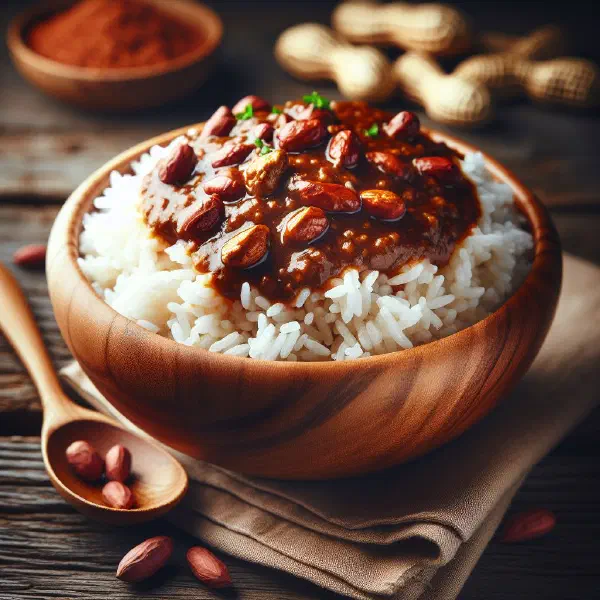
Presentation matters with Sinzin, since the dish is naturally rustic. Serve the steaming dumplings in a deep bowl and drizzle the peanut sauce generously over the top. Garnish with fresh herbs and perhaps a few toasted nuts for extra crunch. A colourful vegetable mix or a crisp salad arranged alongside creates visual contrast and makes the plate far more inviting.
A bit of history
Sinzin is a traditional Beninese dish rooted deeply in the country’s culture. It reflects the richness of local agriculture and the variety of ingredients grown across the region. Historically it was served at festivals and special occasions, which cemented its status as a family favourite in the same way as Akassa. Cooking and eating Sinzin strengthens community ties, and it remains one of the most characterful plates in Beninese cuisine.
More recipe ideas
Summary: Sinzin
Sinzin is more than just a meal; it is an experience for the senses and a symbol of Beninese tradition and hospitality. With its simple but delicious ingredients it captures the best of West African cooking on a single plate. Sinzin brings people together and creates memorable moments. Let this traditional dish work its magic and bring the flavours of Benin into your kitchen.