National Dish Benin: Toubani (Recipe)
In this article
Meet Toubani, a warming staple that has fed families across Benin for generations. Built from little more than maize flour, soft-cooked beans and a handful of everyday aromatics, it turns humble pantry ingredients into something deeply satisfying. Served warm with a spoonful of sauce, it is the sort of dish that fills a kitchen with the smell of frying onions and brings everyone to the table.
About Toubani
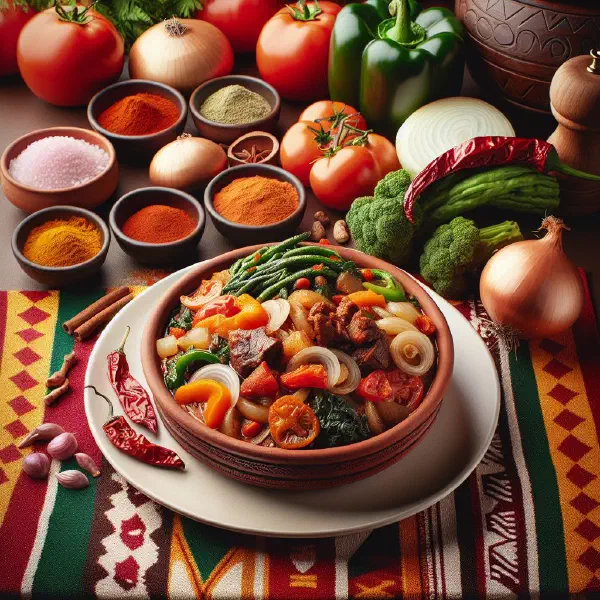
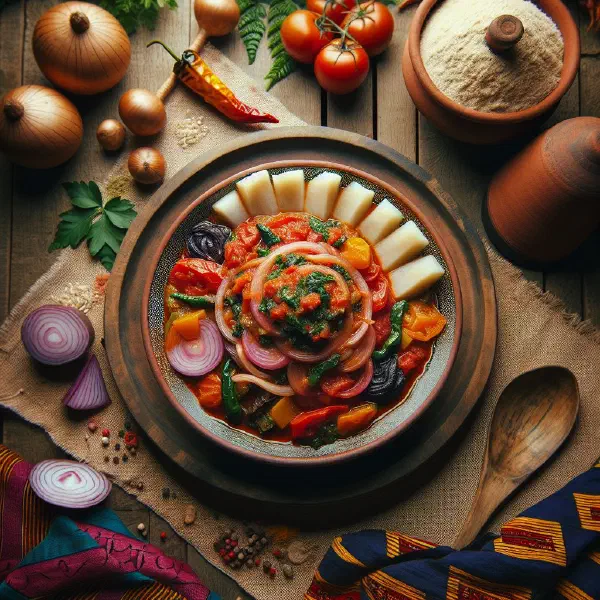
Toubani is a traditional dish from Benin that has pleased people there for generations. This hearty dish brings together the flavours of maize flour and beans to create a nourishing meal you will find in almost every household. Toubani is often served with a delicious sauce that rounds off the whole experience beautifully. Making it is not simply a culinary process. It is also a part of Beninese culture and hospitality.
Ingredients (serves 1–2)
- 200 g maize flour
- 100 g beans (black or red, for example)
- 500 ml water
- 1 onion, diced
- 2 garlic cloves, chopped
- Spices (salt, pepper, paprika)
- 1 tablespoon vegetable oil
Shopping for the ingredients
The ingredients for toubani are widely available in West African markets, and most of them can also be found in European supermarkets. When buying beans, look for ones that are fresh and free of blemishes. The maize flour should be finely milled and of good quality to give you the best possible texture. More particular spices, such as paprika, can also be ordered online or picked up in an international grocery.
Preparing the dish
Before you start cooking toubani, the beans should be soaked thoroughly to shorten the cooking time, leave them in water overnight. It is also worth chopping the onions and the garlic in advance so that everything is within reach once you begin. The preparation does not take long, but it keeps the cooking process running smoothly and lets the flavours come through properly.
Step-by-step instructions
- Cook the soaked beans in a pan of water until they are soft.
- Heat the vegetable oil in a frying pan and sauté the onions and garlic until golden brown.
- Add the cooked, mashed beans to the onion and garlic mixture and combine well.
- Add the maize flour a little at a time, stirring thoroughly as you go.
- Pour in water and keep stirring until you reach a creamy consistency.
- Season the dish to taste and let it simmer for a few minutes, stirring constantly.
- Serve the toubani warm with the sauce of your choice.
Gluten-free / lactose-free version
Happily, toubani is naturally gluten-free, since it is made mainly from maize flour and beans. Just check that the spices you choose contain no hidden gluten. The recipe includes no animal products at all, which makes it ideal for a lactose-free diet, the same is true of the crisp Akara bean fritters. Do make sure that every component, including the sauce, is free of lactose.
Tips for vegans and vegetarians
Toubani is an excellent choice for vegans and vegetarians, as it contains no animal products. To keep your dish entirely plant-based, use vegetable oils and spices that are guaranteed vegan. You can also add extra vegetables such as spinach or peppers to boost both the nutritional value and the flavour. The dish is already nourishing and filling, so it needs no further sources of protein.
More tips and tricks
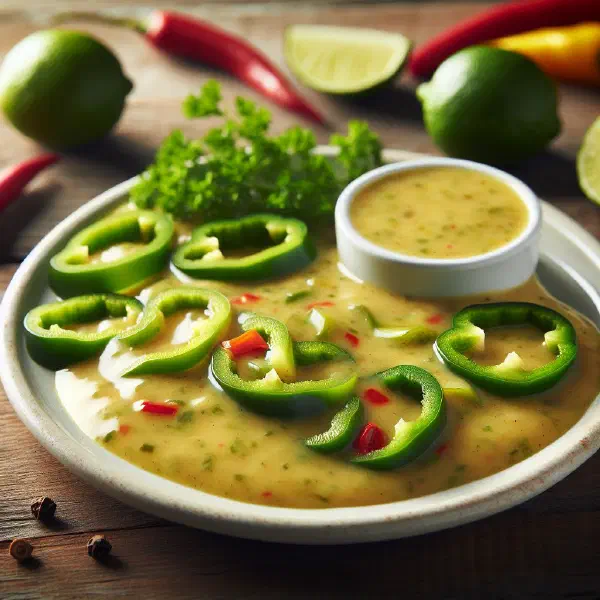
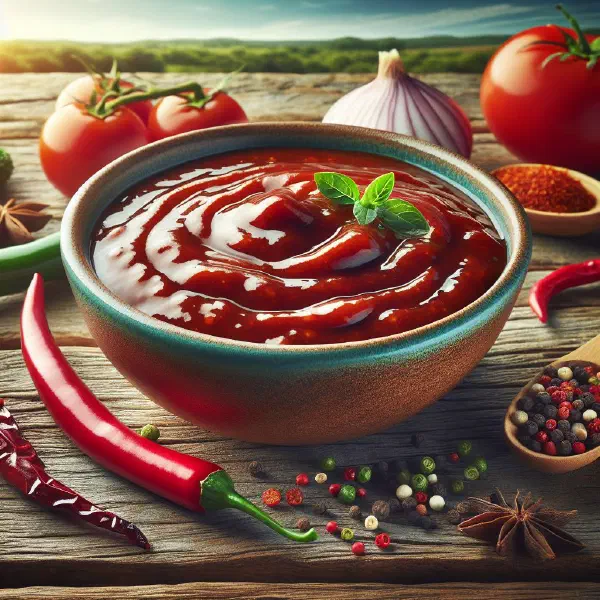
When cooking toubani it is important to stir constantly so that nothing catches on the base of the pan. If you would like the texture creamier or firmer, simply adjust the amount of water. The dish can be served with all sorts of sauces depending on your preference, a tomato sauce, for instance, adds another layer of flavour, and the herby Gboman Sauce works beautifully too. Do not be shy about modifying the recipe to your own taste and experimenting with different spices.
Adapting the recipe to your taste
Toubani is extremely adaptable, so you can use different ingredients and spices according to personal preference. You might add extra vegetables such as carrots or courgette to bring in more nutrients and colour. Experiment with different spices as well, either to vary the taste or to discover new aromas altogether. Small adjustments make every version of the dish individual and offer a fresh experience each time.
Ingredient substitutions
If you do not have all the ingredients to hand, there are a few alternatives worth considering. Instead of maize flour you can use rice flour to achieve something similar in spirit. For the beans, lentils work well and offer a slightly different flavour with comparable nutrients, much as they would in a bowl of Ata. Just remember to adjust the cooking times accordingly for the best results.
Drink pairing ideas
A range of drinks goes well with toubani, from local fruit juices to natural lemonades, the hibiscus infusion Bissap is a particularly good match. A light sparkling water with a squeeze of lime makes a refreshing accompaniment too. If you prefer something alcoholic, try a light beer or a tropical cocktail to complement the West African flavours. These drinks round the meal off nicely and lend it a festive note.
Serving and presentation ideas
The way toubani is presented can make a real difference to the meal. Serve the dish on an attractive, colourful platter and garnish it with fresh herbs such as parsley or coriander. Decorative touches such as edible flowers make it look more inviting still. Remember to serve the sauce separately so that everyone can help themselves to as much as they like.
A bit of history
Toubani has its roots in West African cooking and is deeply woven into the culture of Benin. It is a dish served both as everyday home cooking and on festive occasions. Historically it has been passed down from generation to generation, which makes it a symbol of family ties and tradition. Preparing and sharing toubani brings out the strength of the community and the hospitality that runs through Beninese cuisine.
More recipe ideas
Summary: Toubani
Toubani is more than just a dish; it is an expression of Beninese culture and hospitality. The combination of maize flour, beans and a variety of spices creates a nourishing and flavourful experience. The sheer range of ways to prepare it means you can tailor the dish to your own preferences, and that is what makes it special. Let yourself be won over by toubani and enjoy a journey through the flavours of West Africa.