National Dish Benin: Wassawassa (Recipe)
In this article
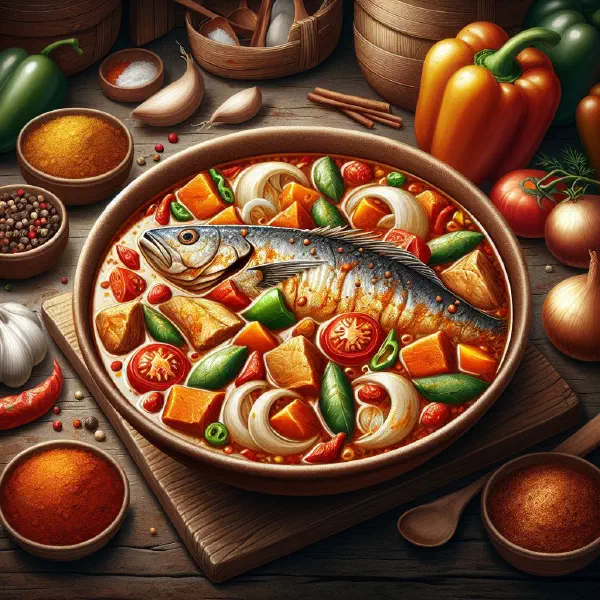
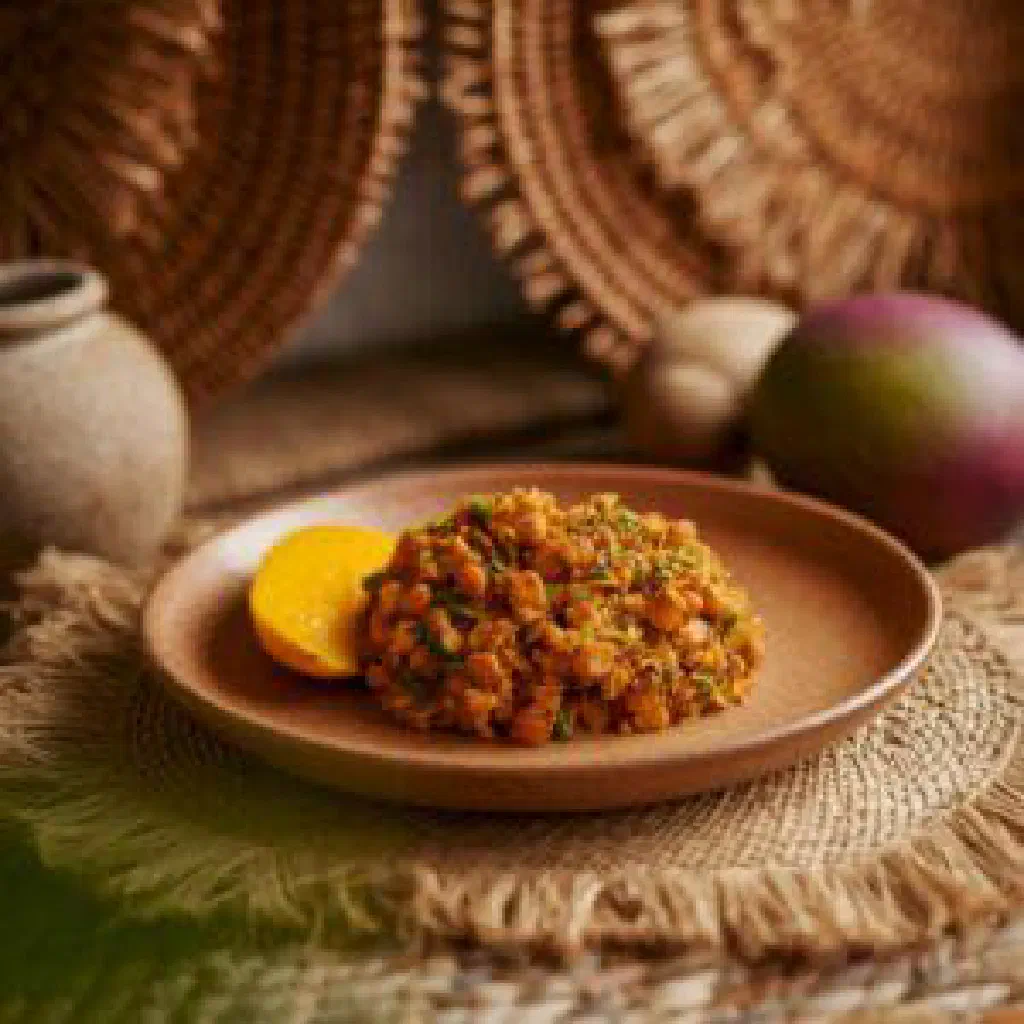
Meet Wassawassa, a steamed maize dish that sits right at the heart of Beninese home cooking. Soft, golden grains of maize meal are spooned onto the plate and crowned with a rich sauce of fish, tomatoes and peppers, glossy with palm oil. It is simple, filling food that carries a lot of history in every mouthful, the kind of dish families gather around at festivals and on ordinary weeknights alike. Bring a taste of West Africa into your own kitchen with this straightforward recipe.
About Wassawassa
Wassawassa is a traditional Beninese dish that has won over cooks far beyond West Africa. It brings together the bold, warming character of African cooking with wholesome, everyday ingredients. Its two components, cooked maize meal and a generous sauce, combine into a flavour experience that is entirely its own. More than simple sustenance, Wassawassa is part of the country’s cultural identity and a cornerstone of Benin’s gastronomic variety.
Ingredients (serves 1–2)
- 250 g maize meal
- 500 ml water
- 200 g fish (mackerel or tilapia, for example)
- 1 large onion
- 2 tomatoes
- 1 pepper (red or green)
- 2 tablespoons palm oil
- Seasoning to taste (salt, pepper, chilli)
Shopping for the ingredients
To make a really flavourful Wassawassa, every ingredient should be fresh and of good quality. A local market is the best place to look for fish and inexpensive vegetables. Many West African grocers also stock the specific spices that make the dish taste authentic. Maize meal itself is widely available in ordinary supermarkets, sold both finely ground and in a coarser grind, either works well here.
Preparing the dish
Getting ready for Wassawassa is easy and takes very little time. Start by stirring the maize meal into water so that no lumps form. While that is settling, clean the fish and cut it into pieces. Wash, peel and chop the vegetables into small pieces. This shortens the cooking time and intensifies the flavour of the finished sauce.
Step-by-step instructions
- Bring the water to the boil in a large pan.
- Add the maize meal slowly, stirring constantly.
- Keep cooking over a medium heat until the mixture thickens.
- In a separate pan, heat the palm oil and fry the onion until softened.
- Add the fish and the vegetables and let everything simmer together.
- Season to taste and leave to simmer for around 15 minutes.
- Spoon the Wassawassa onto plates and ladle the sauce over the top.
Gluten-free / lactose-free version
Wassawassa is naturally gluten-free, since it is built almost entirely on maize meal. That makes it an excellent choice for anyone with a gluten intolerance, much like the steamed Akassa. Leaving out dairy is equally straightforward if you want the dish to be lactose-free. Simply keep milk products out of the sauce and rely on plant oils or other alternatives instead.
Tips for vegans and vegetarians
For vegans and vegetarians, Wassawassa adapts easily: replace the fish with tofu or with a mixture of vegetables. Chickpeas or lentils add extra protein and body to the sauce. It is worth adjusting the seasoning as you go, so the flavour stays lively despite the change of ingredients. The dish offers a versatile base that positively invites you to experiment and cook creatively.
More tips and tricks
The secret to a perfect Wassawassa lies in the consistency of the maize meal. Stir it thoroughly to keep lumps from forming. Watch the sauce as well. It should be neither too thick nor too thin, as a balanced consistency makes for a far better plate. Experiment with different spices and herbs to refine the dish and tune it to your own palate.
Adapting the recipe to your taste
Wassawassa’s adaptability is a large part of why it is so widely loved. Add more vegetables to boost the nutritional value, or try different varieties of fish for a change of character. The heat is entirely up to you: more or less chilli will shift the dish towards fiery or gentle as you prefer. Using seasonal produce makes the result more delicious and more appealing still.
Ingredient substitutions
If certain ingredients are hard to come by, there are plenty of alternatives that deliver a similar flavour and texture. Seitan in place of fish gives you a protein-rich vegetarian version. The palm oil can be swapped for olive oil or coconut oil to create a slightly different flavour profile, though palm oil is what lends the sauce its familiar colour, the same warmth you find in a Sauce Darachide. The vegetables are flexible too: root vegetables such as carrots or courgettes work nicely.
Drink pairing ideas
Wassawassa pairs happily with a wide range of drinks that round out the meal. A traditional local wine or simply a cold mineral water makes an excellent companion. If you prefer something alcoholic, a light beer underlines the flavours of the sauce without overwhelming them. Freshly pressed juices or teas, meanwhile, offer a refreshing counterpoint, a chilled Bissap is a particularly good match.
Serving and presentation ideas
How a dish is presented has a real influence on how it is received. Use fresh herbs such as parsley or coriander to add both colour and flavour. Serving the food in a deep bowl helps bring the sauce and the maize meal together harmoniously on the plate. Colourful crockery does its part too, making the whole meal look that much more inviting.
A bit of history
Wassawassa is not merely a dish but a piece of Benin’s cultural history. It is traditionally served at festivals and on special occasions, which says a great deal about the regard in which it is held. Its popularity has endured across the generations and it is a symbol of the culinary diversity of Beninese cuisine. In many regional kitchens it is still cooked exactly as it always was, connecting families and communities across the years.
More recipe ideas
Summary: Wassawassa
Wassawassa is a culinary experience that represents Beninese cooking at its best. With its simple yet delicious ingredients and its openness to adaptation, it has something to offer every palate. Discover the traditions and the cultural richness of Benin while you prepare this dish at home. Let the variety and the wonderful aromas of this national treasure win you over, and share the pleasure with friends and family.