National Dish Benin: Yam (Recipe)

In this article
Discover yam, the creamy, nutty root vegetable at the very heart of Beninese cooking. This humble tuber is boiled, fried or mashed into some of West Africa’s most comforting plates, and its gentle, slightly sweet flavour makes it every bit as versatile as the potato. Simple to prepare and endlessly adaptable, yam is a genuine culinary highlight, and a delicious way to bring the flavours of Benin into your own kitchen.
About Yam
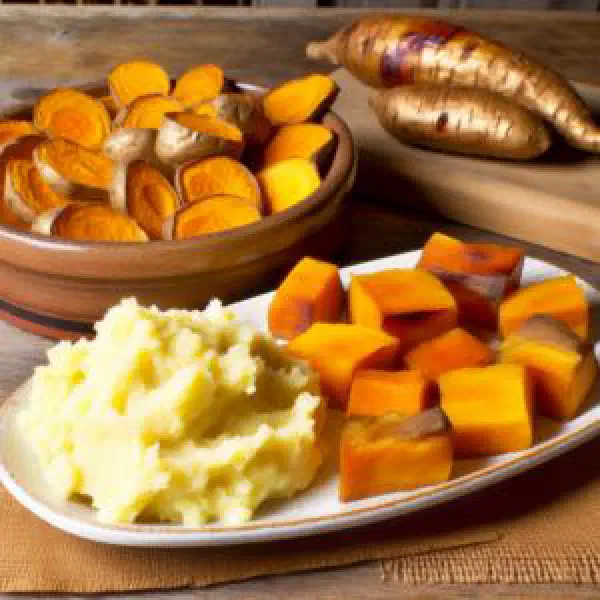
Yam is a traditional root vegetable prized as a staple food across many West African countries, Benin among them. This starchy tuber has a creamy texture and a distinctive, nutty flavour that makes it an ideal ingredient for countless dishes. Yam is prepared in a variety of ways, boiled, fried and mashed, and that versatility means you will find it in everyday home cooking as readily as on festive menus.
Ingredients (serves 1–2)
- 500 g yam
- Water (for boiling)
- 1 teaspoon salt
- 2–3 tablespoons oil (optional, for frying)
- Pepper, to taste
- Butter or margarine (optional, for mashing)
Shopping for the ingredients
For the best results it is important to choose fresh yam. Look for tubers that feel firm and smooth and show no blemishes or soft spots. West African markets and international grocers are the most reliable places to find yam root, though larger supermarkets increasingly stock it too. Choose good-quality salt and oil as well, with so few ingredients, each one shapes the final flavour of your dish.
Preparing the dish
Before you start cooking, rinse the yam thoroughly to remove any soil or residue. Then peel the tubers carefully, as the skin is often thick and coarse. Once peeled, cut the yam into evenly sized pieces so that everything cooks through at the same rate. These small preparatory steps are what give the finished dish its perfect texture.
Step-by-step instructions
- Put the prepared yam pieces into a pan and cover them with cold water.
- Bring the water to the boil and add the salt.
- Simmer the yam over a medium heat for 20–30 minutes, until tender.
- Drain the yam and, if you like, fry it in a pan with a little oil or mash it with butter.
- Season with pepper and any other spices to taste, then serve.
Gluten-free / lactose-free version
Yam is naturally gluten-free and lactose-free, which makes it a superb choice for anyone with those intolerances. When cooking, simply use oil or plant-based margarine to keep the dish free of animal products. If you are mashing the yam, water or a plant-based milk alternative will give you the same creamy consistency as dairy. The result stays every bit as delicious while suiting everyone at the table.
Tips for vegans and vegetarians
Yam dishes are ideal for vegans and vegetarians, offering plenty of nourishing carbohydrates and minerals. Yam pairs easily with vegetable or pulse-based sides to make a complete meal. Try it with a hearty Sauce Feuilles or alongside beans. Adding leafy greens such as spinach or broccoli boosts the nutritional value further. Spices and sauces are the other easy route to variety, turning a plain tuber into something memorable.
More tips and tricks
To get the most out of your yam, take care not to overcook it, or it will lose its texture and turn mushy. Test it regularly with a fork as it simmers. For a crisper finish when frying, make sure the pan is properly hot before the yam goes in. Adding aromatics such as garlic or onions to the pan during frying will improve the flavour considerably.
Adapting the recipe to your taste
Yam is easy to tailor to personal preference. If you like heat, add chilli or paprika to give the dish more punch and depth. The accompaniments can vary too. Think black beans, a simple vegetable curry, or the spiced beans and rice of Watche. Experiment with different herbs and spices to build your own signature flavour and keep the dish interesting every time you make it.
Ingredient substitutions
If fresh yam is hard to come by, you can substitute other starchy root vegetables such as potatoes or cassava, the latter being the base for classics like Baton de Manioc. These alternatives offer a similar texture and mild flavour and work well in most yam recipes. When it comes to the fat, try coconut oil or olive oil for a different character. Spices can be varied freely according to what you have to hand without affecting the basic method.
Drink pairing ideas
To round off your yam dish, a refreshing drink makes all the difference. A fresh fruit juice such as pineapple or mango is a lovely companion, while the tart hibiscus notes of Bissap cut beautifully through the starchiness. Non-alcoholic options such as ginger beer or a lightly sweetened herbal tea also pair well with savoury yam. These drinks highlight the flavours of the dish and complete the meal.
Serving and presentation ideas
Thoughtful presentation can lift the whole yam experience. Serve the pieces on a colourful platter or scatter fresh herbs over the top as a garnish. Use shallow bowls for mash or porridge to show off the smooth texture. Small dishes of different sauces or dips arranged alongside the main plate look inviting and give everyone something to explore, a spoonful of Moyo Sauce works particularly well.
A bit of history
Yam has a long history as a cornerstone of the West African diet, and the tuber is thought to have been cultivated for more than 5,000 years. In Benin it is far more than mere food: it is a symbol of wealth and fertility. At certain celebrations, notably the yam harvest festival, it plays a central role in traditional customs and community life, one of the clearest expressions of Beninese cuisine and its deep agricultural roots.
More recipe ideas
Summary: Yam
Yam is a versatile and nourishing ingredient that sits at the centre of West African cooking. With its nutty flavour and creamy consistency, it opens the door to countless ways of cooking. Whether boiled, fried or mashed, yam is delicious and a small cultural journey served on a plate. Let it inspire you and enjoy this wonderful ingredient in your own kitchen.