National Dish Bhutan: Bathue (Recipe)
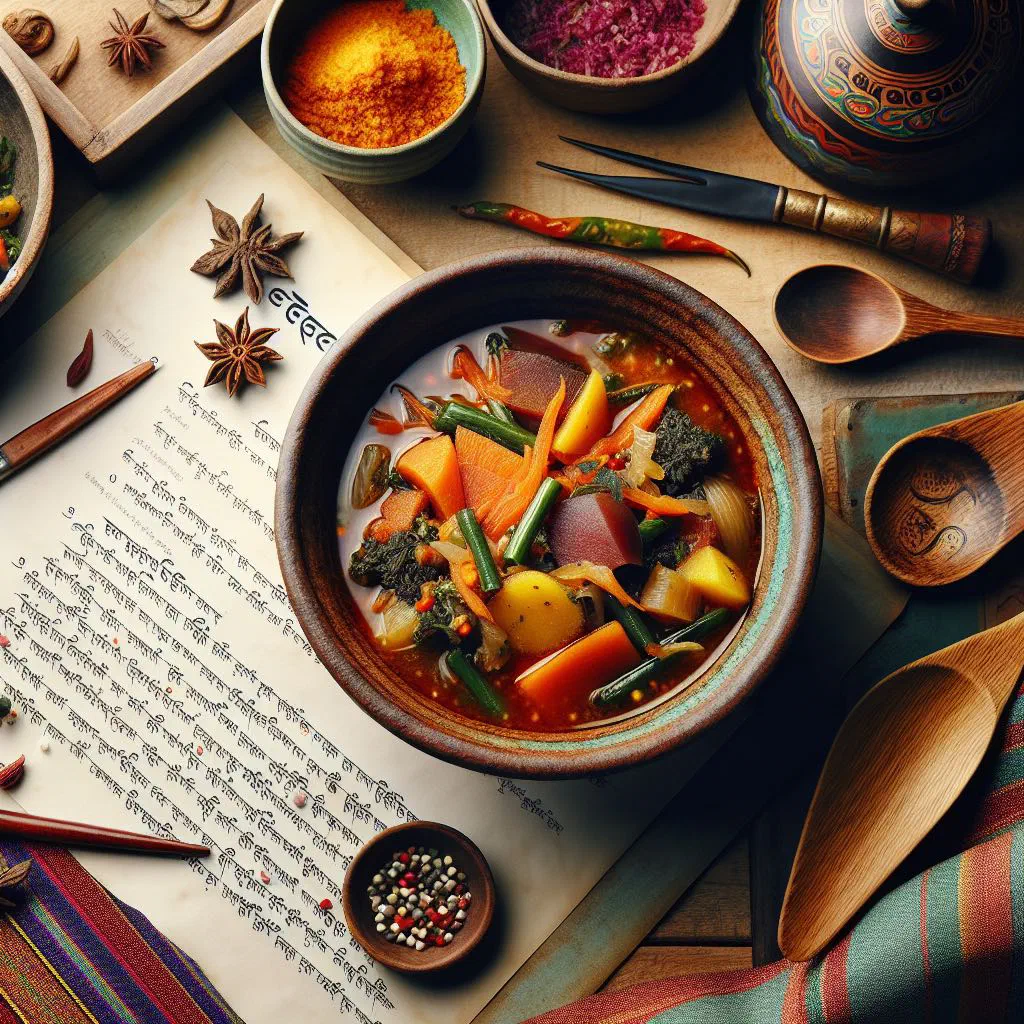
In this article
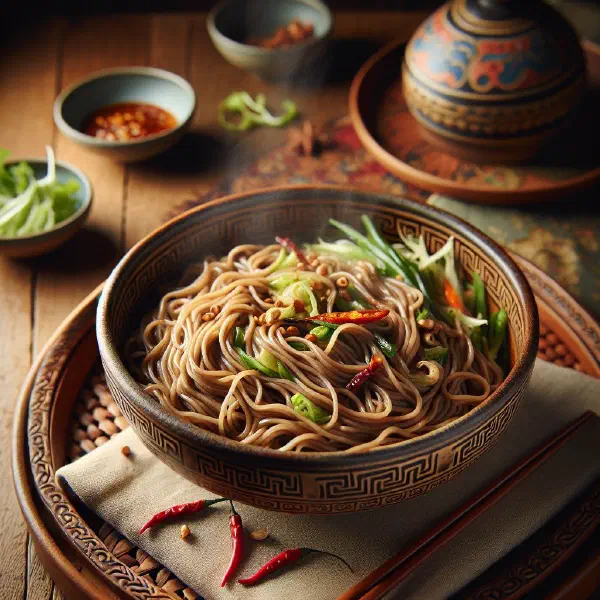
Discover Bathue, a wholesome noodle dish from the Himalayan kingdom of Bhutan. Nutty buckwheat noodles are tossed with crisp seasonal vegetables and a fragrant blend of ginger, turmeric and sesame oil, simple, nourishing and full of quiet character. It is the kind of food that brings a little mountain-lodge warmth into your own kitchen, and it comes together in barely twenty minutes.
About Bathue
Bathue is a traditional dish from Bhutan that offers a lovely range of flavours and textures. What sets it apart are its simple, healthy ingredients, which are as nourishing as they are tasty. The combination of buckwheat noodles, fresh vegetables and aromatic spices makes Bathue a genuine highlight of the Bhutanese table. It is a wonderful way to get acquainted with the culinary traditions of Bhutan while enjoying something genuinely good for you.
Ingredients (serves 1–2)
- 200 g buckwheat noodles
- 100 g fresh vegetables (carrots, spinach, broccoli, for example)
- 2 tablespoons soy sauce
- 1 teaspoon ginger paste
- 1 teaspoon turmeric
- 1 tablespoon sesame oil
- Salt and pepper to taste
Shopping for the ingredients
The ingredients for Bathue are easy to find in most Asian grocery shops. Buckwheat noodles, also sold as soba noodles, usually sit in the world-food aisle or in a health-food shop. When choosing your vegetables, look for seasonal and locally grown produce to guarantee the best flavour and nutritional value. Spices such as ginger paste and turmeric round the dish off nicely and are stocked by almost every supermarket or spice merchant.
Preparing the dish
Begin your Bathue by cooking the buckwheat noodles according to the packet instructions. While they simmer, wash the vegetables and cut them into small pieces. Take care not to cook the vegetables for too long, as they should keep their freshness and bite. Alongside this, mix the seasoning of soy sauce, ginger paste and turmeric that gives the dish its characteristic flavour.
Step-by-step instructions
- Cook the buckwheat noodles in a large pan of salted water for around 5–6 minutes.
- Drain the noodles and let them cool briefly.
- Heat the sesame oil in a frying pan and add the prepared vegetables.
- Sauté the vegetables for 3–4 minutes until just tender.
- Add the noodles and the spice mixture to the pan and toss everything together well.
- Season with salt and pepper and fry for a further 2 minutes over medium heat.
- Serve the dish piping hot and enjoy.
Gluten-free / lactose-free version
Bathue is naturally gluten-free when made with pure buckwheat noodles, which makes it an excellent choice for anyone with a gluten intolerance. To keep it lactose-free, simply stick to plant-based oils and make sure the vegetables come without any dairy additions, quite unlike the cheese-rich Kewa Datshi. These small adjustments make Bathue a healthy, diet-friendly option that everyone at the table can share.
Tips for vegans and vegetarians
Bathue is already a great choice for vegans and vegetarians, since it is built entirely on vegetables and plant-based ingredients. To make it even more satisfying, add extra vegetables such as peppers or courgette. Experiment with different spices to vary the flavour and match your own preferences. Handled this way, Bathue becomes a versatile dish that fits into almost any way of eating.
More tips and tricks
When making Bathue, the key is not to overcook the noodles, so they keep their al dente texture. For extra depth of flavour, scatter over toasted sesame seeds or a few chopped nuts. A squeeze of lemon juice also lifts the whole dish with a bright, fresh note. Remember that fresh ingredients are the foundation of a great result, so choose the best produce you can find.
Adapting the recipe to your taste
Bathue is easily tailored to personal preference. If you like more heat, add red chilli or a spoonful of hot sauce, Bhutanese cooks certainly would, as the fiery Ema Datshi shows. For something heartier, stir in proteins such as tofu or tempeh. That way, every time you cook it you end up with a slightly new experience.
Ingredient substitutions
If buckwheat noodles prove hard to track down, other gluten-free noodles will serve you well. Rice noodles or courgette noodles are equally tasty alternatives, and thicker handmade noodles in the style of Puta work beautifully too. In place of soy sauce, use tamari or a gluten-free version of another Asian sauce. Always look for good-quality products to get the best possible result.
Drink pairing ideas
Bathue goes particularly well with Asian teas such as jasmine or green tea. These complement the flavours of the dish and make for a harmonious meal; the buttery Bhutanese Suja is another authentic option. Alternatively, a light beer or a crisp white wine will round the aromas off nicely. Try a few different pairings to discover which one suits you best.
Serving and presentation ideas
Looks matter when you serve Bathue. Use an attractive shallow bowl and garnish the dish with fresh herbs such as coriander or spring onions. A scattering of toasted sesame seeds on top adds a welcome crunch as well as looking the part. With these simple touches your Bathue becomes a treat for the eyes as much as for the palate.
A bit of history
Bathue has its origins in the traditional cooking of Bhutan, where it is regarded very much as everyday food. The use of buckwheat noodles reflects the farming traditions of the region and the ingredients that grow readily in its high valleys, the same heritage behind Bumthang Buckwheat Noodles. Over the years Bathue has become a popular dish both within Bhutan and beyond, and its notable health benefits and distinctive taste have helped Bhutanese cuisine win admirers well outside the kingdom’s borders.
More recipe ideas
Summary: Bathue
Bathue is not only a nourishing dish but a real pleasure to eat, reflecting the culinary variety of Bhutan. The combination of wholesome ingredients and aromatic spices makes it an outstanding choice for any meal. Whether as dinner, lunch or even a substantial snack, Bathue offers plenty of room to adapt and to expand your cooking repertoire. Let the flavours of Bhutan inspire you and enjoy this quietly impressive dish.