National Dish Bhutan: Chilli Chura (Recipe)
In this article
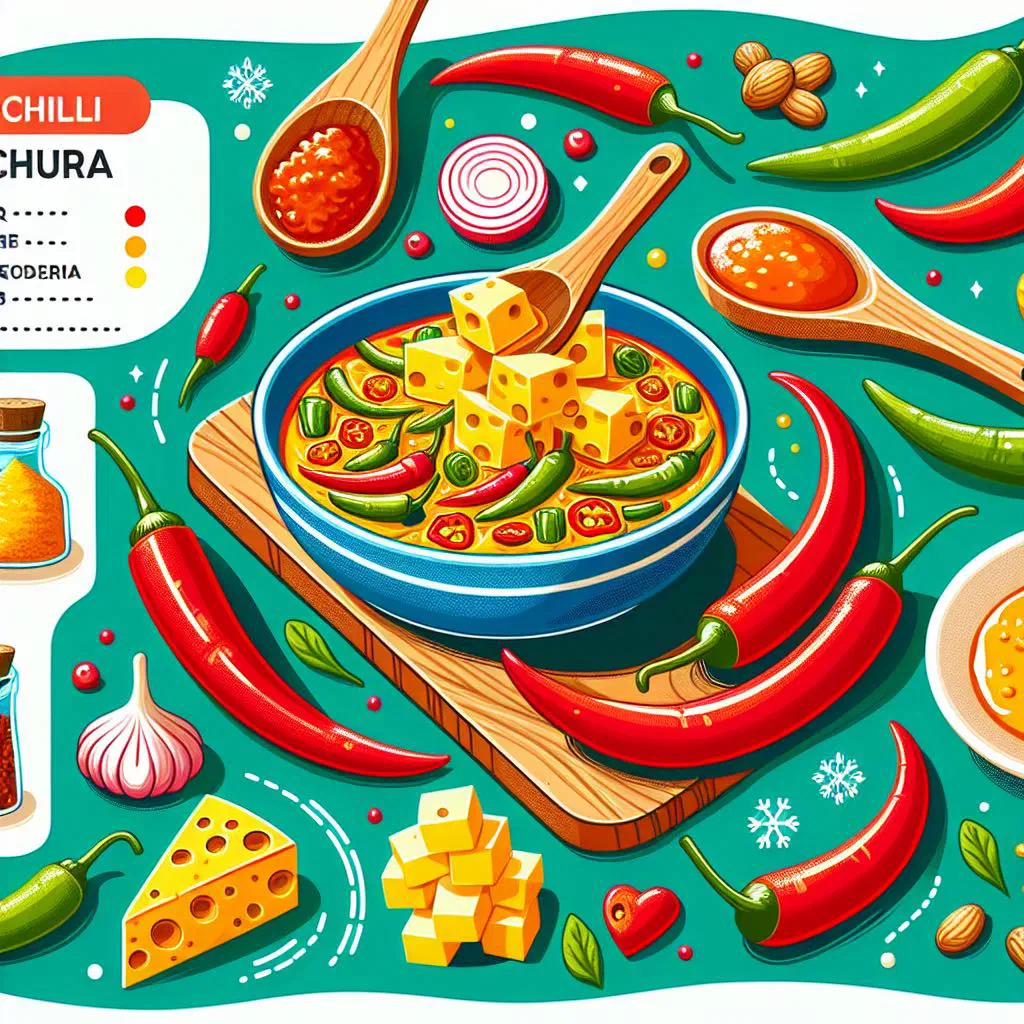
Discover Chilli Chura, a fiery little classic from the Himalayan kingdom of Bhutan. This simple dish brings together blistering green chillies, creamy melting cheese and a bowlful of warm rice, three humble ingredients that turn into something remarkably comforting. It is quick to cook, endlessly adjustable in heat, and a wonderful introduction to the bold flavours of Bhutanese home cooking.
About Chilli Chura
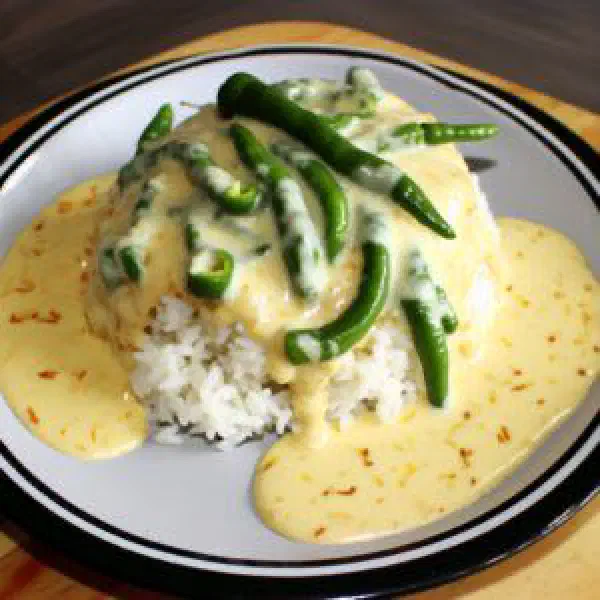
Chilli Chura is a typical dish from Bhutan, defined by the meeting of hot chillies and soft, creamy cheese. It is straightforward to make yet remarkably flavourful, pleasing the palate in a way few simple dishes manage. In Bhutan, Chilli Chura is usually served alongside rice and is a firm fixture of everyday cooking, standing shoulder to shoulder with better-known plates such as Ema Datshi. The use of fresh, hot chillies gives the dish not only a pleasant heat but a real wealth of aroma.
Ingredients (serves 1–2)
- 200 g fresh green chillies
- 150 g cheese (Bhutanese chhurpi, or feta as a substitute)
- 1 cup cooked rice
- 1 onion
- 1 cup water or vegetable stock
- Salt to taste
Shopping for the ingredients
The ingredients for Chilli Chura are usually easy to track down in Asian grocery shops. Fresh green chillies are the defining feature of the dish and are worth buying in good quality, firm and glossy rather than limp. Cheese plays an equally decisive role, and it is well worth trying local varieties to see which melts best for you. A trip to an international market is an excellent opportunity to pick up first-rate ingredients directly.
Preparing the dish
Before you start cooking Chilli Chura, prepare all the ingredients carefully. Wash the chillies thoroughly and cut them into small pieces. The onion should be finely diced so that it distributes evenly through the dish. Rice cooked in advance makes the meal more substantial and keeps the cooking itself pleasingly quick.
Step-by-step instructions
- Heat a little oil in a pan and fry the onion until golden brown.
- Add the chopped chillies and cook briefly to release their aromas.
- Stir in the cheese along with the water or stock and mix well until the cheese has melted.
- Fold through the cooked rice, combine thoroughly, season with salt and serve.
Gluten-free / lactose-free version
Chilli Chura is easy to prepare gluten-free. Simply check that the cheese you use contains no gluten-based additives. For a lactose-free version, reach for a lactose-free cheese. Either way the characteristic flavour of the dish survives intact, without any risk of an intolerance spoiling the meal. You can, of course, also dial the heat up or down to suit.
Tips for vegans and vegetarians
There are plenty of ways to adapt Chilli Chura for vegans. Instead of dairy cheese, use a plant-based alternative such as soya or cashew cheese. These options not only deliver a creamy texture but bring extra flavour of their own. Choose your chillies according to the heat level you want, and you will hit exactly the right note for your dietary preferences. Vegetable-led Bhutanese plates such as Kewa Datshi adapt in much the same way.
More tips and tricks
To deepen the flavour of Chilli Chura, add extra spices such as cumin or coriander. This lends the dish a new dimension and makes it altogether more interesting. You can also vary the mix of chillies to explore different degrees of heat. Adjust it to your own preference and enjoy the range of aromas you can coax out of such a simple set of ingredients.
Adapting the recipe to your taste
Chilli Chura is a very flexible dish that adapts easily to personal taste. Feel free to change the quantity of chillies, or to add other vegetables such as peppers or tomatoes. Adjustments like these let you create something entirely your own. Experimenting with different cheeses is another rewarding route, much as cooks do with mushroom-based versions like Shamu Datshi.
Ingredient substitutions
If you cannot find fresh green chillies, dried chillies will do the job, though you should reduce the quantity accordingly. For an extra savoury note, add spices such as paprika or cayenne pepper. In place of plain rice you might serve wild rice or quinoa for a lighter, healthier variation. Vary the ingredients as your preferences dictate and enjoy every mouthful.
Drink pairing ideas
Several drinks pair harmoniously with the fiery character of Chilli Chura. A light Asian lager or a lime-based cocktail lends the meal a refreshing edge. A sweet fruit cocktail works equally well, taking the sharp edge off the chillies. Water with lemon is a simple but highly effective way to balance the flavours, while traditional Suja butter tea offers a more authentically Bhutanese option.
Serving and presentation ideas
The presentation of Chilli Chura can be simple yet inviting. Serve the dish in a large bowl and garnish it with fresh herbs such as coriander or parsley. A side of fresh vegetables or a crisp salad adds welcome flashes of colour to the plate. Make sure to serve it warm so that the aromas come through at their best.
A bit of history
Chilli Chura has its roots in traditional Bhutanese cuisine, which has long been shaped by a high consumption of hot chillies and cheese. Both ingredients are especially popular in the region thanks to the climate and local growing methods. Bhutanese cooks treat chillies not merely as a seasoning but as a main ingredient in many dishes. The way chillies and other regional produce are handled reflects the cultural identity and traditions of the country and remains a central part of everyday eating.
More recipe ideas
Summary: Chilli Chura
Chilli Chura is a delicious dish that marries the heat of chillies with the mellow richness of cheese. With its straightforward method and the sheer range of possible adaptations, it is the perfect recipe for anyone who loves Asian cooking. The scope for adjustment is all but limitless. Enjoy the flavours of Bhutan in your own kitchen and let the tradition and taste of this much-loved dish inspire you.