National Dish Bhutan: Ema Datshi (Recipe)
In this article
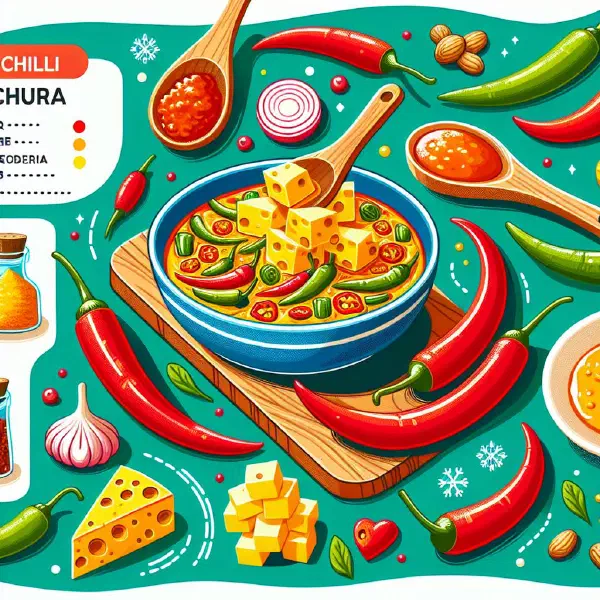
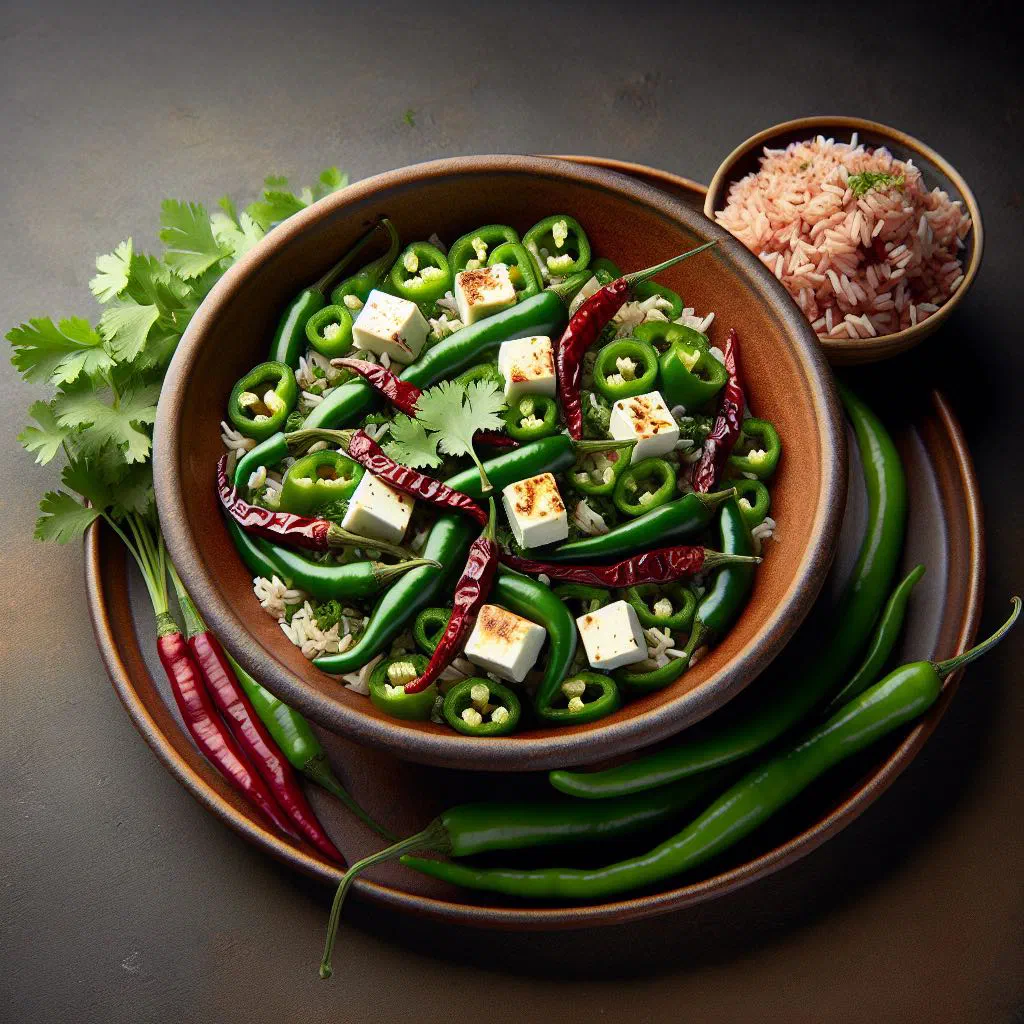
Ema Datshi is chillies and cheese, and the chillies are the vegetable rather than the seasoning. A serving contains a quantity of chilli that most visitors find alarming. Bhutanese eat it at nearly every meal, including breakfast.
About Ema Datshi
Ema means chilli and datshi means cheese. That is the whole dish: green chillies stewed with a soft local cheese until the cheese melts into a loose sauce. It is eaten with red rice, which is the Bhutanese staple, and it is the single most reliable thing on any menu in the country.
The cheese is traditionally datshi, made from cow or yak milk, soft and slightly sour. It melts without going stringy, which matters.
Ingredients (serves 1–2)
- 200g fresh green chillies
- 1 onion, cut into rough pieces
- 2 tomatoes, diced
- 200g cheese (traditionally yak cheese; feta or another creamy cheese works well)
- 1 tablespoon vegetable oil
- 1 clove of garlic, chopped
- 1 teaspoon ground ginger
- A little water or vegetable stock
- Salt to taste
Shopping for the ingredients
Use large mild green chillies rather than small hot ones, or the dish becomes genuinely inedible for most people. Bhutanese chillies are closer to a jalapeño or Turkish sivri biber in heat. For the cheese, a mix of feta and a soft mozzarella comes closest to datshi; pure feta is too salty on its own.
Preparing the dish
Slit the chillies lengthways rather than chopping them. They are meant to stay in recognisable pieces. Remove the seeds if you want to bring the heat down, which most people outside Bhutan should. Cut the onion into wedges, not dice.
Step-by-step instructions
- Heat the vegetable oil in a pan and sweat the onions until translucent.
- Add the chillies, tomatoes, garlic and ginger and let everything cook for a few minutes.
- Pour in enough water or vegetable stock to just cover the ingredients and simmer for about 10 minutes.
- Add the cheese and stir until it has melted into a smooth, silky sauce.
- Season with salt to your own taste.
- Serve ema datshi hot, for example with red rice or traditional Bhutanese rice.
Gluten-free / lactose-free version
Ema datshi is naturally gluten-free. Lactose-free is difficult, since cheese is half the dish, though a firm plant-based cheese with a little lemon juice for sourness works better here than in most applications because the sauce is meant to be loose anyway.
Tips for vegans and vegetarians
The dish is vegetarian as written and is a mainstay for anyone travelling in Bhutan who does not eat meat. A vegan version with cashew cream and nutritional yeast is a real approximation rather than a good one, but the chilli carries it.
More tips and tricks
Add the cheese off the heat or on the lowest possible setting. Boiling it makes it split and go grainy. Do not add too much water: the sauce should coat the chillies, not drown them. And taste a chilli raw before you commit 200 g of them to the pan.
Adapting the recipe to your taste
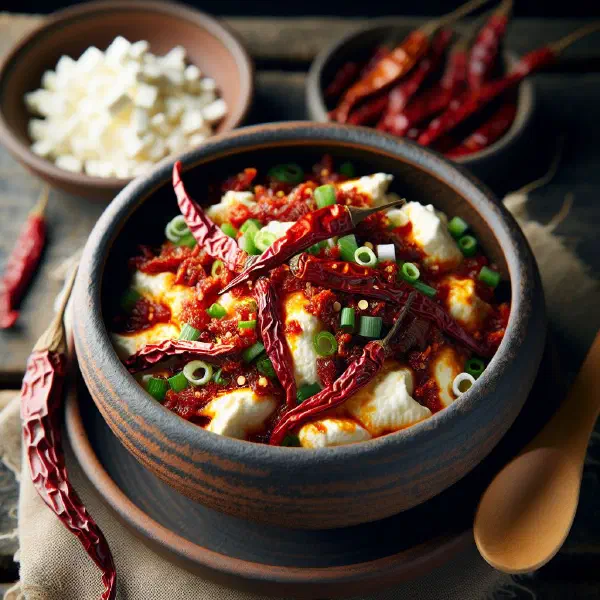
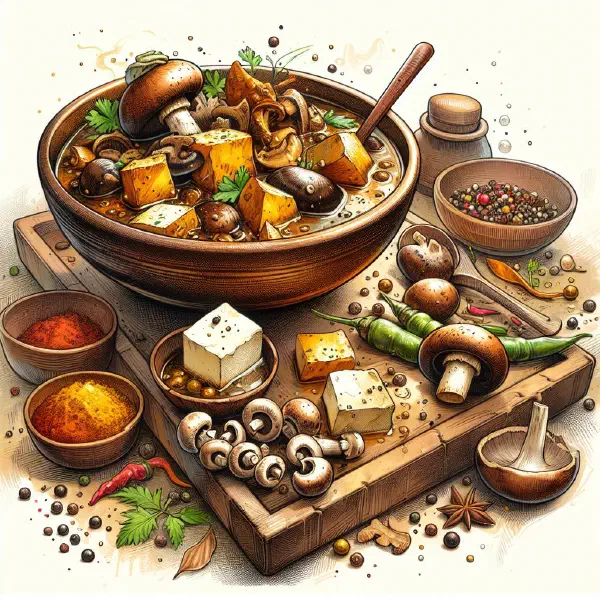
Kewa datshi swaps in potato, shamu datshi uses mushrooms, and shakam ema datshi adds dried beef. All three are milder entry points. Dried red chillies in place of some of the green give a different, smokier heat.
Ingredient substitutions
Anaheim or Hungarian wax peppers are the closest supermarket chilli. A blend of feta and mozzarella beats either alone. Butter in place of oil is richer and entirely in keeping.
Drink pairing ideas
Suja, the butter tea, is what Bhutanese drink with it, and the salt and fat genuinely help against the chilli. Plain milk works on the same principle. Ara, the local spirit, appears at celebrations.
Serving and presentation ideas
Serve it over red rice in a bowl, with the sauce poured across. Bhutanese meals put everything out at once and people help themselves. Have something dairy to hand for anyone who underestimates the heat, because water makes it worse.
A bit of history
Chillies reached Bhutan from India after Portuguese ships brought them to Asia, and the country adopted them more thoroughly than anywhere else in the region. Bhutan has no real tradition of using them as a mild seasoning; they are eaten as a vegetable in quantity. Ema datshi anchors Bhutanese cuisine alongside momo and phaksha paa.
More recipe ideas
Summary: Ema Datshi
Ema datshi is green chillies stewed with soft cheese into a loose sauce, eaten with red rice. Use mild large chillies, slit rather than chop them, and melt the cheese off the heat.