National Dish Bhutan: Hogey (Recipe)
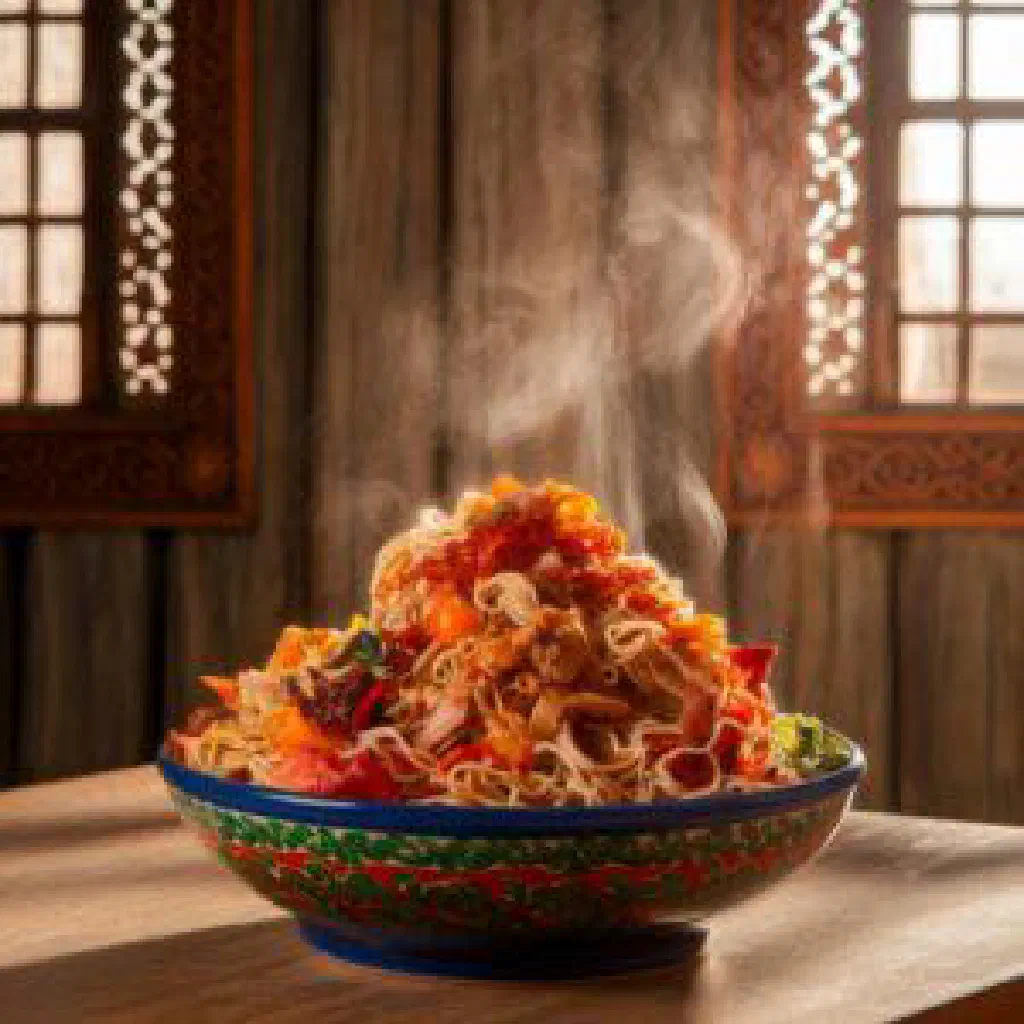
In this article
Meet Hogey, a warming everyday classic from the Himalayan kingdom of Bhutan. Tender marinated meat, crisp vegetables and fluffy rice come together in one pan, lifted by fresh ginger and a savoury splash of soy sauce. It is the kind of honest, generous cooking that fills a table on festival days and ordinary weeknights alike, and it comes together far more easily than its layered flavour suggests.
About Hogey
Hogey is a traditional dish from Bhutan, known for its layered aromas and its clever combination of fresh ingredients. It reflects the culinary variety of the country and offers more than a treat for the senses but a glimpse into Bhutan’s rich culture and history. The filling, usually built from meat, vegetables and seasoned rice, strikes a fine balance between savoury depth and freshness. Hogey enriches any meal, much like the beloved Ema Datshi.
Ingredients (serves 1–2)
- 300 g meat (chicken or beef)
- 150 g rice
- 1 large onion
- 2 cloves of garlic
- 1 carrot
- 1 pepper
- 2 tablespoons soy sauce
- 1 teaspoon fresh ginger, grated
- Seasoning to taste (salt, pepper)
- Fresh herbs, to garnish
Shopping for the ingredients
When shopping for hogey, look for fresh, good-quality produce, the flavour of the finished dish depends heavily on it. Visit a local market or an organic grocer to find the best vegetables and cuts of meat. Choosing carefully at this stage is what turns a simple pan of rice and vegetables into a genuine taste experience.
Preparing the dish
Good preparation is what allows the aromas of hogey to shine. Begin by cutting the meat into small pieces and marinating it with soy sauce, ginger and your chosen seasonings. While the meat sits, clean and finely chop the vegetables. This saves time later and makes sure everything cooks evenly once it hits the pan.
Step-by-step instructions
- Sear the marinated meat in a hot pan until golden brown.
- Add the onion and garlic and fry briefly until translucent.
- Stir in the carrot and pepper and cook for a further five minutes.
- Add the rice and mix everything together well.
- Pour in a little water, cover and let the rice cook through.
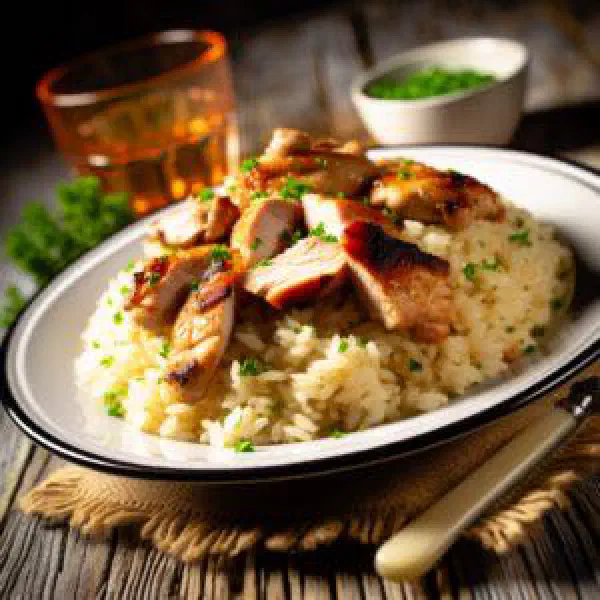
- Garnish with fresh herbs and serve.
Gluten-free / lactose-free version
For a gluten-free hogey, rely on rice, which is naturally free from gluten. Check that every other component, soy sauce in particular, is certified gluten-free, and reach for tamari if in doubt. The recipe contains no dairy, so it is generally lactose-free as well, though it is worth reading the labels on stocks and ready-made products, where hidden ingredients often lurk.
Tips for vegans and vegetarians
Vegan and vegetarian versions of hogey are straightforward: simply replace the meat with tofu or seitan. Adding extra vegetables makes the filling both tastier and more nourishing. Choose a soy sauce free from animal products, and the dish stays every bit as satisfying, the same approach that works beautifully for a plate of Kewa Datshi.
More tips and tricks
A few small habits make a noticeable difference. Try toasting the spices in the dry pan first to intensify their aroma. A little patience while the rice steams pays off too. You are aiming for light, fluffy grains rather than a sticky mass. And taste as you go, adjusting the seasoning until the balance feels right to you.
Adapting the recipe to your taste
Hogey adapts readily to personal preference. If you like heat, add chilli or a spoonful of hot sauce, Bhutanese cooking is famously fond of chillies. For something more unexpected, dried fruit or nuts fold into the filling beautifully and add an intriguing note. Cooking should be a pleasure, so feel free to experiment with the ingredients.
Ingredient substitutions
If certain ingredients are not to hand, there are plenty of alternatives. Quinoa or millet make an excellent healthy base in place of rice, while lentils provide a protein-rich filling for the vegan version. Buckwheat is another authentic Himalayan option, as anyone who has tried Puta will know.
Drink pairing ideas
Hogey pairs happily with a range of drinks that round out the meal. A lightly chilled lager or a fresh white wine harmonises nicely with the savoury character of the dish. For alcohol-free options, iced tea or a fruity lemonade lighten the palate between mouthfuls, while a cup of traditional Suja offers a more authentically Bhutanese finish. Serve drinks well chilled to complete the experience.
Serving and presentation ideas
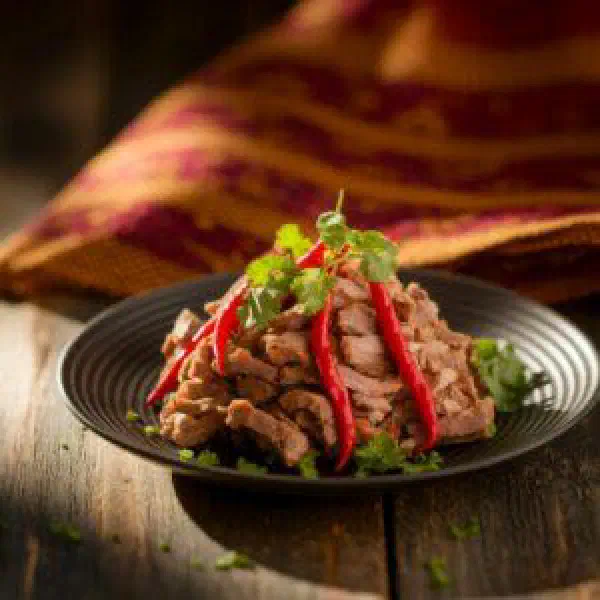
Presentation is a decisive part of any meal. Serve hogey on an attractive plate and garnish it with fresh herbs or a drizzle of sauce for a splash of colour. Stoneware or wooden dishes underline the traditional character of the food. Remember that we eat with our eyes first, and a thoughtful presentation lifts the whole occasion.
A bit of history
Hogey has deep roots in Bhutanese culture. It is traditionally prepared for festivals and family gatherings and reflects the everyday eating habits of the country. Over the years, different regions have developed their own versions, creating an appealing variety within a single dish. No journey through Bhutanese cuisine would be complete without tasting it.
More recipe ideas
Summary: Hogey
Hogey is far more than a simple meal; it is a genuine celebration of flavour that represents the culinary tradition of Bhutan. Fresh ingredients and a richly seasoned filling make for a memorable plate of food. Its straightforward preparation and the ease with which it can be adjusted to personal taste make hogey a wonderful choice for any cook. Give this dish a try and let the varied flavours of the Himalayas win you over.