National Dish Bhutan: Momo (Recipe)
In this article
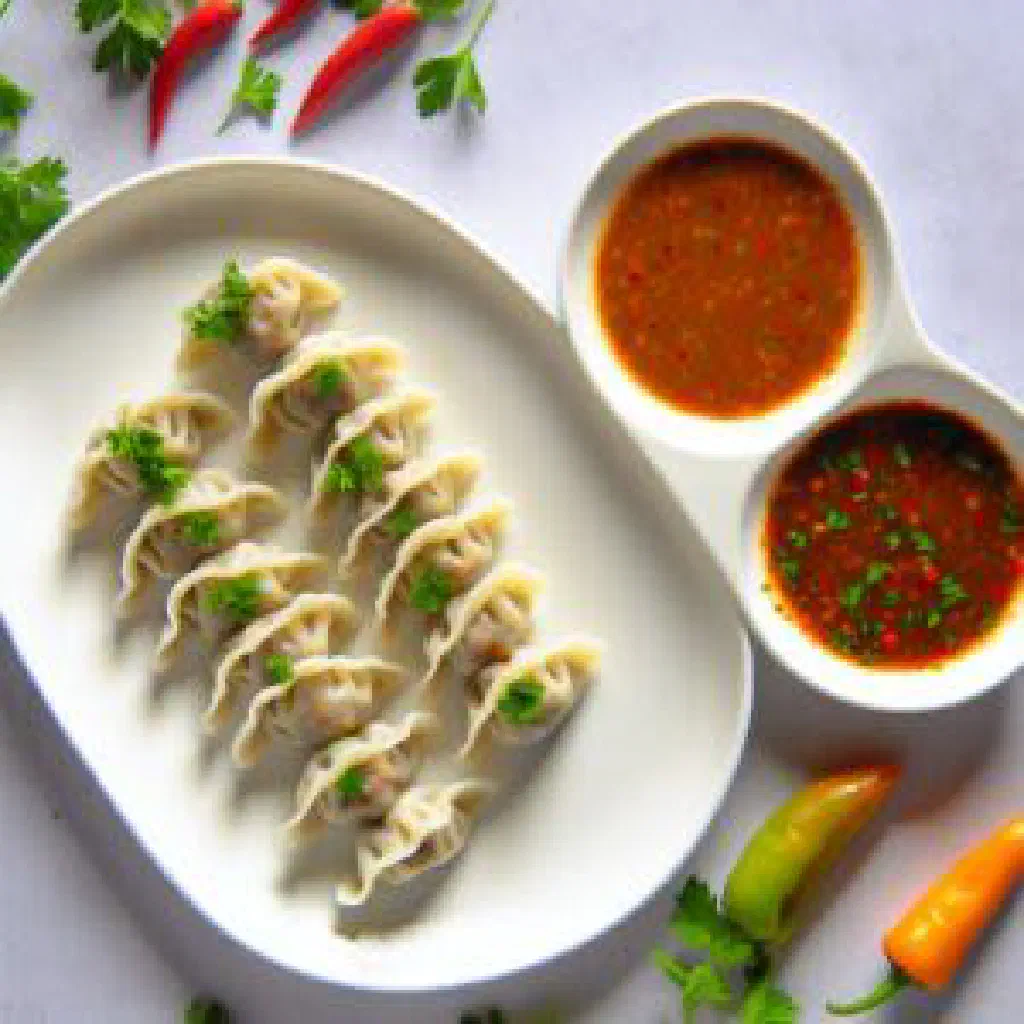
Discover Momo, the beloved filled dumplings of Bhutan. Tender parcels of hand-rolled dough are wrapped around a fragrant filling and gently steamed until they turn silky and translucent. Served with a fiery chilli dip, they are equally at home as a shared snack or as the centrepiece of a proper meal. This recipe brings a taste of the Himalayas straight into your own kitchen.
About Momo
Momo are filled dumplings with deep roots in the traditional cooking of Bhutan. These moreish little parcels are popular not only in Bhutan but right across the Himalayan region. Momo can be made with all sorts of fillings, vegetables, beef or even chicken, which makes them wonderfully flexible. That versatility turns them into an ideal dish for any occasion, whether you serve them as a snack or as a main course.
Ingredients (serves 1–2)
- 250 g plain wheat flour
- 150 g vegetables of your choice (e.g. carrots, cabbage, onions)
- 100 g minced meat (optional)
- 1 egg (optional)
- 2 tablespoons soy sauce
- 1 teaspoon ginger, grated
- 1 teaspoon garlic, finely chopped
- Sweet chilli sauce, to serve
- Water for kneading the dough
Shopping for the ingredients
To make the best momo, it pays to choose fresh, locally sourced produce wherever you can. Wheat flour is easy to find in any supermarket, while fresh vegetables simply taste better when bought at a local market. If you decide to include minced meat, look for good-quality cuts. It makes a noticeable difference to the depth of flavour. Soy sauce and the other seasonings are just as important, since they give these dumplings their unmistakable aroma.
Preparing the dish
Good preparation is the key to successful momo. Start by kneading the dough from flour and water until it is smooth and elastic. Let it rest for about 30 minutes so the gluten relaxes, which makes rolling it out far easier. While the dough rests, get on with the filling: chop the vegetables finely and combine them with the remaining ingredients to create a well-seasoned mixture.
Step-by-step instructions
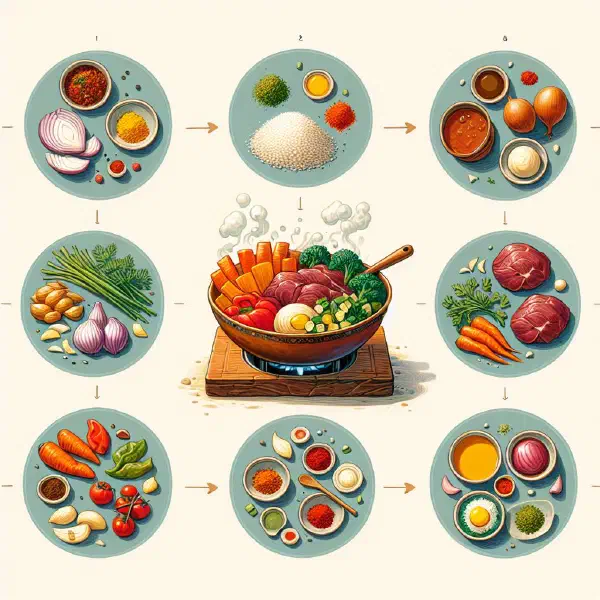
- Roll the rested dough out thinly on a floured surface.
- Cut out circles roughly 10 cm in diameter using a round cutter.
- Place one to two tablespoons of the filling in the centre of each circle.
- Moisten the edges of the dough and fold them together carefully to form a sealed parcel.
- Steam the momo for about 15–20 minutes, until cooked through.
- Optional: pan-fry the momo in a little oil afterwards for a crisp finish.
- Serve with soy sauce or sweet chilli sauce.
Gluten-free / lactose-free version
For a gluten-free version of momo, replace the wheat flour with a blend of rice flour and cornflour. Check that every other ingredient is gluten-free too, and lean on fresh herbs for extra flavour. For a lactose-free result, leave out the egg and use a little plant-based milk instead to help bind the filling. The method stays exactly the same, so nothing is lost in the eating.
Tips for vegans and vegetarians
Vegan momo are straightforward to make and can be filled with a wide variety of vegetables and plant proteins such as tofu or tempeh. Mushrooms and spinach are particularly good, lending the filling a satisfying umami depth much like the greens in a Shamu Datshi. Do check any ready-made spice blends to make sure they contain no animal products. Serve the finished dumplings with a punchy sweet chilli sauce, which rounds the whole thing off beautifully.
More tips and tricks
The right folding technique ensures the filling stays neatly sealed inside. Experiment with different pleating styles to give your momo an attractive finish. You can also vary the herbs and spices in the filling to change the character of the dish entirely. Allow plenty of time and get family or friends involved in the folding. It is far more fun that way, and it opens up conversation about the culinary traditions of Bhutan.
Adapting the recipe to your taste
One of the great strengths of momo is how easily they can be adjusted to personal preference. Add chilli or turmeric for extra heat and colour, or combine several vegetables for a more layered flavour. More unusual fillings work well too, sweet potato or squash both make excellent choices, as they do in a Kewa Datshi. Just remember to adjust the steaming time to suit whatever you have wrapped inside.
Ingredient substitutions
If certain ingredients are not to hand, there are plenty of alternatives worth trying. Instead of minced meat, use plant-based mince or beans to create a protein-rich filling. For the dough, wholemeal flour or a ready-made gluten-free blend will give you different textures and flavours. Don’t be afraid to get creative and test new combinations until you have perfected your own version.
Drink pairing ideas
Choosing the right drink can lift the whole momo experience. A green tea or a lightly aromatic fruit tea makes a perfect partner, complementing rather than competing with the dumplings. Bhutan’s own buttery Suja is another traditional match, while an Asian lager works well if you are serving the momo as a casual snack. For alcohol-free options, home-made fruit juices or a sharp ginger lemonade are both excellent.
Serving and presentation ideas
Presentation makes a real difference with momo. Serve them on a large, attractively laid platter to give the dish a festive feel. Fresh herbs or edible flowers work nicely as a garnish and add visual appeal. Arrange the dips in small bowls around the edge of the plate so every guest can help themselves while the dumplings stay firmly at the centre of attention.
A bit of history
Momo have a history that runs deep through Bhutanese culture. Tradition holds that the dumplings were carried into the region by Tibetan traders and nomads travelling the old Himalayan routes. They are not merely a tasty dish but a symbol of hospitality and of eating together, which sits at the heart of Bhutanese cuisine. Over the centuries the fillings and cooking methods have evolved, with each valley developing its own distinctive character, as seen in the buckwheat dumplings known as Hoentay.
More recipe ideas
Summary: Momo
Momo are far more than a simple snack. They offer a genuine window into the culinary traditions of Bhutan. Their versatility and adaptability make them a perfect dish for almost any occasion. Boiled, steamed or fried, each method brings out a different side of them. Give this recipe a go and discover for yourself just how much pleasure there is in making, folding and finally eating momo.