National Dish Bhutan: Puta Datshi (Recipe)
In this article
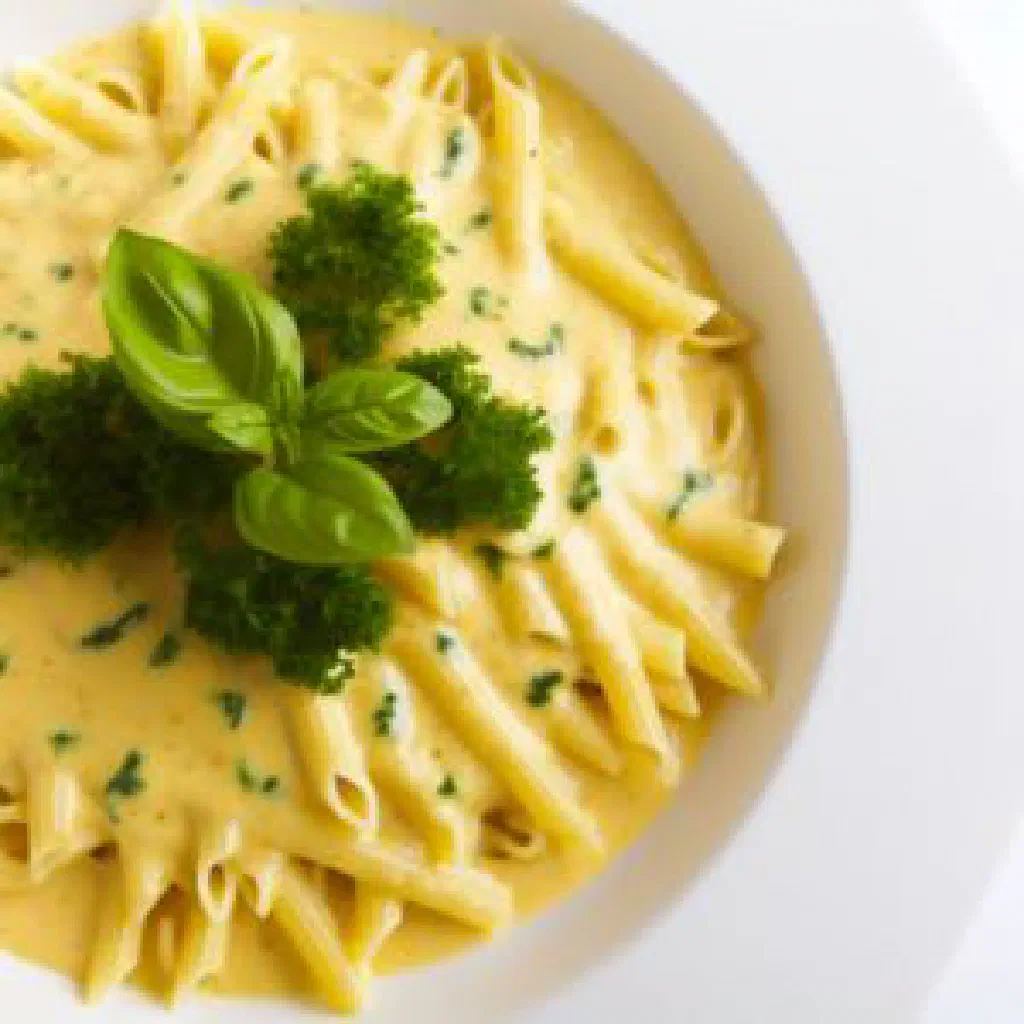
Meet Puta Datshi, a wonderfully comforting plate of handmade noodles wrapped in a creamy, tangy cheese sauce and lifted with local herbs and spices. It is the kind of food that suits a cold Himalayan evening perfectly: simple, warming and made almost entirely from what the mountain valleys provide. If you have ever wondered what everyday cooking in Bhutan actually tastes like, this dish is a brilliant place to begin.
About Puta Datshi
Puta Datshi is not merely a meal but an expression of Bhutanese culture. Its ingredients speak of the mindful, unhurried way of eating that prevails across the Himalayan region. The use of fresh vegetables and regional cheese is characteristic of Bhutanese cuisine, where dairy from highland herds appears in almost every household kitchen. The dish reflects a close relationship with nature as well as a genuine appreciation for good-quality local produce.
Ingredients (serves 1–2)
- 200 g handmade buckwheat noodles
- 150 g traditional Bhutanese cheese (or feta)
- 1 medium onion
- 2–3 cloves of garlic
- 1 cup water
- Fresh herbs (coriander, for example)
- Spices to taste (chilli, salt)
Shopping for the ingredients
Fresh, good-quality ingredients matter enormously when making Puta Datshi. Visit a local market or a specialist Asian grocery to track down the best of them. The cheese in particular plays a decisive role, since it gives the dish its unmistakable character. Where available, choose traditional Bhutanese cheese varieties to round out the authentic experience; a firm, salty feta stands in very capably otherwise.
Preparing the dish
Before you start cooking, it is worth getting everything properly prepared. Dice the onion finely and chop the garlic. These aromatics form the foundation of the sauce and its depth of flavour. Do not forget to wash the fresh herbs thoroughly and chop them small, as they matter for the final garnish. A tidy, well-organised kitchen makes the cooking process considerably easier, especially since the sauce comes together quickly once the pan is hot.
Step-by-step instructions
- Cook the handmade noodles according to the instructions on the packet.
- Fry the onion and garlic in a little oil in a pan until golden brown.
- Add the cheese and let it melt, stirring constantly.
- Pour in the water, add the spices and bring briefly to the boil.
- Tip the cooked noodles into the pan and toss thoroughly with the sauce.
- Garnish with fresh herbs and serve hot.
Gluten-free / lactose-free version
Making Puta Datshi without gluten is straightforward: simply use gluten-free noodles in place of the usual ones. For a lactose-free version, choose an alternative cheese such as a soy-based product or a dedicated lactose-free variety. Do check that all the other ingredients, including spices and oils, are free from gluten and animal products too. The dish stays every bit as delicious and remains suitable for a wide range of diets.
Tips for vegans and vegetarians
For vegan cooks, plant-based cheese works well, and adding vegetables such as courgette or peppers is a fine idea. These extras improve the texture and bring more variety to the flavour. Vegetarians can keep to the traditional recipe as it stands, or swap individual animal products for plant-based alternatives. Experiment with different vegetables to make the dish more nourishing still, much the same approach works beautifully in Shamu Datshi.
More tips and tricks
To coax even more aroma out of Puta Datshi, try varying the spices. Adding cumin or fresh ginger, for instance, can give the dish an intriguing new turn. It is also worth not cooking the sauce for too long, so that its creamy consistency is preserved rather than lost to over-reduction. Keep things simple and let the freshness of the ingredients speak for itself.
Adapting the recipe to your taste
Puta Datshi adapts readily to personal preference. Add more or less cheese depending on how pronounced you like the dairy flavour to be. Alternatively, vary the spices you reach for to create an aroma entirely your own. Give your creativity free rein and experiment as you cook, chilli lovers can take a cue from the fiery Ema Datshi and turn the heat right up.
Ingredient substitutions
If you cannot find handmade noodles, rice noodles work well, as do other wheat-free variations. For the cheese, other firm crumbly varieties do the job, or you might try a ready-made vegan cheese instead. With the spices there are almost no limits to your imagination; rosemary or oregano can open up new flavour experiences. Remember that regional adjustments are what make the dish accessible to everyone.
Drink pairing ideas
Traditional Bhutanese drinks go excellently with Puta Datshi, the famous spirit ara chief among them. A light white wine or a dry cider also harmonises nicely. If you would rather stay alcohol-free, a refreshing ginger tea or a fruity lemonade makes a good match, while the buttery, salty Suja is the most authentically Bhutanese choice of all.
Serving and presentation ideas
To serve Puta Datshi attractively, use a shallow bowl and garnish the dish with fresh herbs and a little grated cheese. A hint of chilli or a squeeze of fresh lemon can provide visual accents as well as brightness. Take care to distribute the noodles evenly through the sauce so the colours show to their best advantage. A presentation like this will impress your guests and turn the meal into something of an event.
A bit of history
Puta Datshi has its roots deep in traditional Bhutanese cooking, particularly in the Bumthang valleys where buckwheat has long been the staple grain. The use of regional ingredients and the unfussy method of preparation both reflect life in the mountains. The dish is regarded as an everyday staple in many Bhutanese households and has evolved steadily over time. It is a symbol of the variety within Bhutan’s traditional kitchen and of the cultural importance of eating together.
More recipe ideas
Summary: Puta Datshi
Puta Datshi is a marvellous example of the culinary variety and richness of Bhutan. It brings together simple ingredients and a depth of flavour that reflects both local tradition and contemporary cooking technique. Let the aromas and the warmth of Bhutan work their magic on you.