National Dish Bhutan: Sikarni (Recipe)
In this article
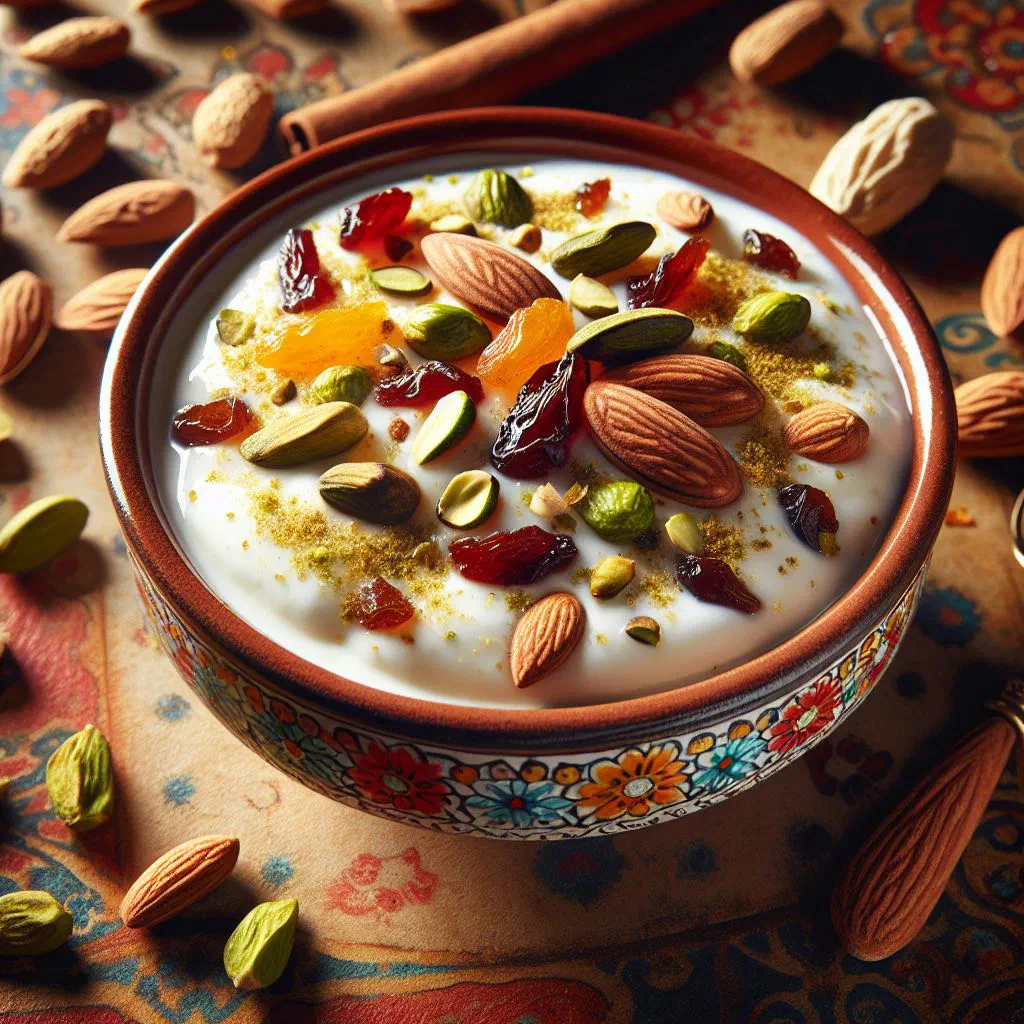
Meet Sikarni, the cooling yoghurt dessert that Bhutanese kitchens turn to when the weather warms up. Thick, creamy yoghurt is folded together with ripe fruit, a little honey and a whisper of warming spice. Nothing is cooked, nothing is complicated, and the whole thing comes together in minutes. It is sweet and gently fragrant at once, and it makes a lovely light finish to a fiery Himalayan meal.
About Sikarni
Sikarni is a distinctive dish from Bhutan that brings sweet and aromatic notes together in perfect balance. Usually served as a dessert or a snack, it is especially popular during the warmer months of the year. The creamy texture of the yoghurt works beautifully with fresh fruit and a pinch of spice. More than plenty of flavour, it is a small tribute to the wonderfully varied food culture of Bhutan, a sweet counterpoint to the chilli-heavy classics of Bhutanese cuisine such as Ema Datshi.
Ingredients (serves 1–2)
- 200 g yoghurt
- 100 g fresh fruit (mango, strawberries or banana, for example)
- 1–2 tablespoons honey or sugar
- 1 teaspoon ground cinnamon or cardamom
- A pinch of salt
Shopping for the ingredients
To make sikarni properly, it is important to use fresh, good-quality ingredients. The yoghurt is best unsweetened and of a decent quality, so that the natural flavour of the fruit and spices can come through. Your choice of fruit can vary with the season and with what is available, though ripe fruit always gives the best result. It is worth choosing good organic spices too, as they release far more aroma.
Preparing the dish
Before you start making sikarni, wash and prepare all the ingredients. The fruit needs to be stoned or hulled and cut into small pieces so it folds easily into the yoghurt. It is a good idea to measure out the spices in advance, which keeps the process simple. This bit of groundwork means everything comes together quickly and smoothly.
Step-by-step instructions
- Put the prepared fruit into a bowl.
- Add the yoghurt and stir well to combine.
- Add the honey or sugar along with the spices and mix everything thoroughly once more.
- Spoon the mixture into serving bowls and chill if you like.
- Garnish to taste just before serving.
Gluten-free / lactose-free version
For a gluten-free version of sikarni you need nothing more than the ingredients listed above, since the dish is naturally free from gluten. For a lactose-free preparation, use a plant-based yoghurt alternative made from almonds or coconut. Just check that the alternative product contains no hidden dairy derivatives.
Tips for vegans and vegetarians
For vegans, the answer is to use a plant-based yoghurt and replace the honey with something like agave syrup or maple syrup. That keeps the characteristic taste of sikarni intact while respecting a plant-based diet. The choice of fruit matters here too, as it helps you strike the right level of sweetness. Vegetarians can enjoy exactly the same version, since no animal products are required.
More tips and tricks
To make sikarni even more interesting, try combining several fruits or adding toppings such as nuts or seeds. It also pays to let the mixture rest in the fridge for a while before serving so the flavours have time to mingle. Experiment with different combinations until you find your favourite version.
Adapting the recipe to your taste
The flexibility of sikarni means you can shape the recipe entirely around your own preferences. Use the fruits you love most, or experiment with less familiar ones to create surprising flavour combinations. The sweetness can be varied a great deal as well. Simply use less sweetener, or leave it out altogether if the fruit is sweet enough on its own. That is what makes sikarni such an easy dessert to please everyone with.
Ingredient substitutions
If some of the ingredients are not to your liking or hard to find, there are plenty of alternatives. Instead of yoghurt you can use quark for a firmer, denser texture. Frozen fruit works well too and is a practical solution when nothing fresh is to hand. The spices can equally be changed to suit your own palate, much as cooks vary the seasoning in a bowl of Red Rice Pudding.
Drink pairing ideas
Plenty of drinks go well with sikarni. A refreshing mint lemonade or a lightly spiced tea complements the flavours of the dessert and rounds off the meal nicely. Coconut-based drinks are an excellent choice as well, drawing out the tropical notes of the fruit. For something more traditional, a cup of Tsheringma Tea makes a fragrant partner. Experiment until you find your perfect combination.
Serving and presentation ideas
Presentation matters just as much as flavour when serving sikarni. Use pretty, clear glass bowls so the colours of the fruit can be seen. A few fresh herbs such as mint add both a flavour accent and a visual one. A creative touch, colourful spoons, or a little sprinkle of chopped nuts across the top, lifts the whole experience and never fails to impress guests.
A bit of history
Sikarni has a long history in Bhutanese culture. It is often served at festivals and celebrations, where it brings people together around the table. The combination of good ingredients and centuries-old tradition makes it a special part of the country’s cooking, alongside savoury staples such as Kewa Datshi. The dish stands for Bhutanese hospitality and for the value placed on good food shared in good company.
More recipe ideas
Summary: Sikarni
Sikarni is a delicious and adaptable dish that appeals to the palate while reflecting the deep traditions of Bhutan. The combination of creamy yoghurt, fresh fruit and fragrant spices makes it a memorable treat. Sikarni is an invitation to get to know the variety of Bhutanese cooking.