National Dish Bhutan: Thukpa (Recipe)
In this article
Discover Thukpa, the warming noodle soup that has become a mainstay of Bhutanese home cooking. Springy noodles sit in a fragrant broth alongside crisp vegetables, garlic and just enough chilli to take the chill off a mountain evening. It is the kind of one-bowl meal that adapts to whatever is in your fridge, works equally well with meat or without it, and comes together in well under an hour. Bring a taste of the Himalayas to your own kitchen.
About Thukpa
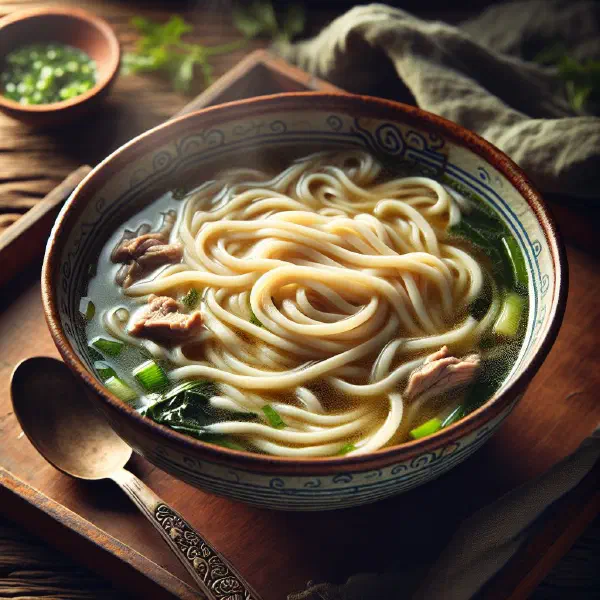
Thukpa is a traditional national dish from Bhutan and a firm favourite right across the wider Himalayan region. This hearty noodle soup brings together freshly cooked noodles, a generous handful of vegetables and warming aromatics that give the broth its depth. What makes thukpa special is how readily it bends to whatever you happen to have in, the recipe is a framework rather than a set of rules. Thukpa has something for every palate and is perfect for the colder months.
Ingredients (serves 1–2)
- 100 g wheat noodles or rice noodles
- 1 carrot, cut into fine strips
- 1 small onion, diced
- 1–2 cloves of garlic, chopped
- 1 small chilli, to taste
- 1 litre vegetable or chicken stock
- Fresh coriander leaves, to garnish
- Soy sauce and salt, to taste
Shopping for the ingredients
When shopping for thukpa, choose the freshest produce you can find. Many Asian grocers stock the particular noodles best suited to this soup, and larger supermarkets increasingly carry international staples such as soy sauce and fresh coriander. It is worth buying your spices and vegetables fresh rather than reaching for dried or pre-packed versions, as the full aroma of the dish depends on them.
Preparing the dish
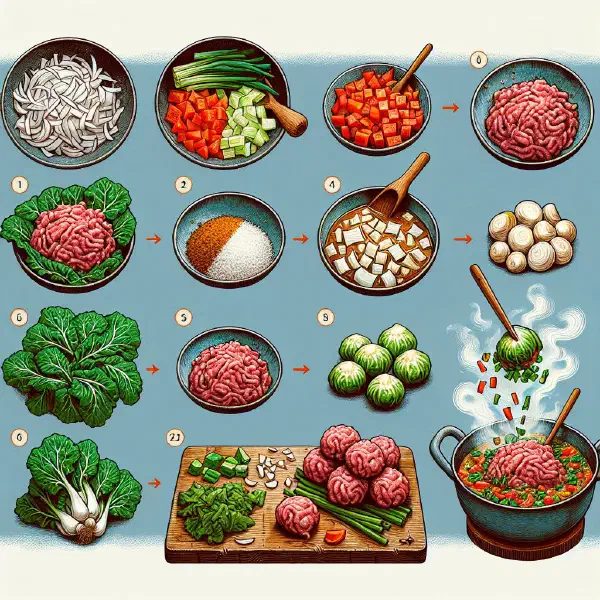
Good preparation is the key to a smooth cook. Start by laying out all your ingredients so you are not interrupted halfway through. Depending on the type you have bought, the noodles should be par-cooked in advance so they can be dropped straight into the broth later. Vegetables such as carrots and onions want to be cut small and evenly, so they cook at the same rate and release their flavour into the stock.
Step-by-step instructions
- Bring the stock to the boil in a large pan.
- Sauté the onions and garlic in the broth until translucent.
- Add the carrots, along with the chilli if using, and let them cook for a few minutes.
- Stir in the par-cooked noodles and simmer for 5–10 minutes.
- Season with soy sauce and salt, garnish with coriander to taste and serve.
Gluten-free / lactose-free version
To make thukpa gluten-free, simply swap the wheat noodles for rice noodles, which are widely available in Asian supermarkets and every bit as good. For a lactose-free version, check that the stock and all other ingredients are free of dairy, in most cases you can make your own vegetable or meat stock from scratch and sidestep the issue entirely. The same approach works well for the cheese-heavy classics of the region, such as Kewa Datshi.
Tips for vegans and vegetarians
For a vegan version of thukpa, use vegetable stock and leave out all animal products. Do check the noodles as well, since some varieties contain egg. Adding protein-rich extras such as tofu or edamame makes the bowl more substantial and rounds out the meal. The aromatic spices and fresh herbs mean the vegan version loses nothing in flavour.
More tips and tricks
The single most useful thing to know about thukpa is how forgiving it is. Almost any vegetable you like or happen to have will work, and you can dial the heat up or down simply by adjusting the amount of chilli. Experiment with different herbs and spices to find the balance that suits you, and treat the recipe as a starting point rather than a fixed formula.
Adapting the recipe to your taste
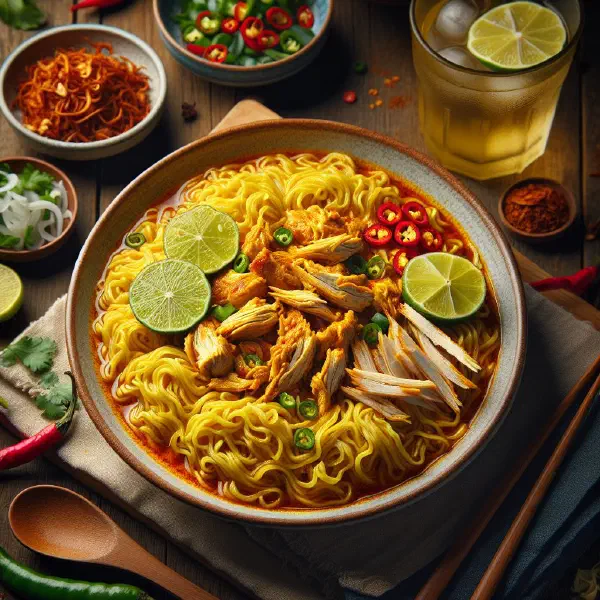
If you want to tailor thukpa more precisely, meat and seafood both work beautifully. Chicken or beef are the popular choices, while prawns or white fish add a lighter, more delicate note, much as they do in a dish like Bja Sha Maroo. Nuts or seeds scattered over the top bring welcome texture.
Ingredient substitutions
Most of the ingredients here can be swapped according to taste or availability. Rice noodles can give way to fresh egg noodles, while jackfruit or mushrooms make an excellent meat-free stand-in. Dried herbs will do in place of fresh ones, though the flavour is noticeably less bright. Even small variations can shift the character of your thukpa in interesting directions.
Drink pairing ideas
A hearty bowl of thukpa calls for a drink that complements rather than competes with it. Traditionally, many Bhutanese reach for a butter tea, the local Suja, which is nourishing and sits remarkably well against the heat of the soup. A light white wine or simply a glass of sparkling mineral water also works, balancing the savoury depth of the broth.
Serving and presentation ideas
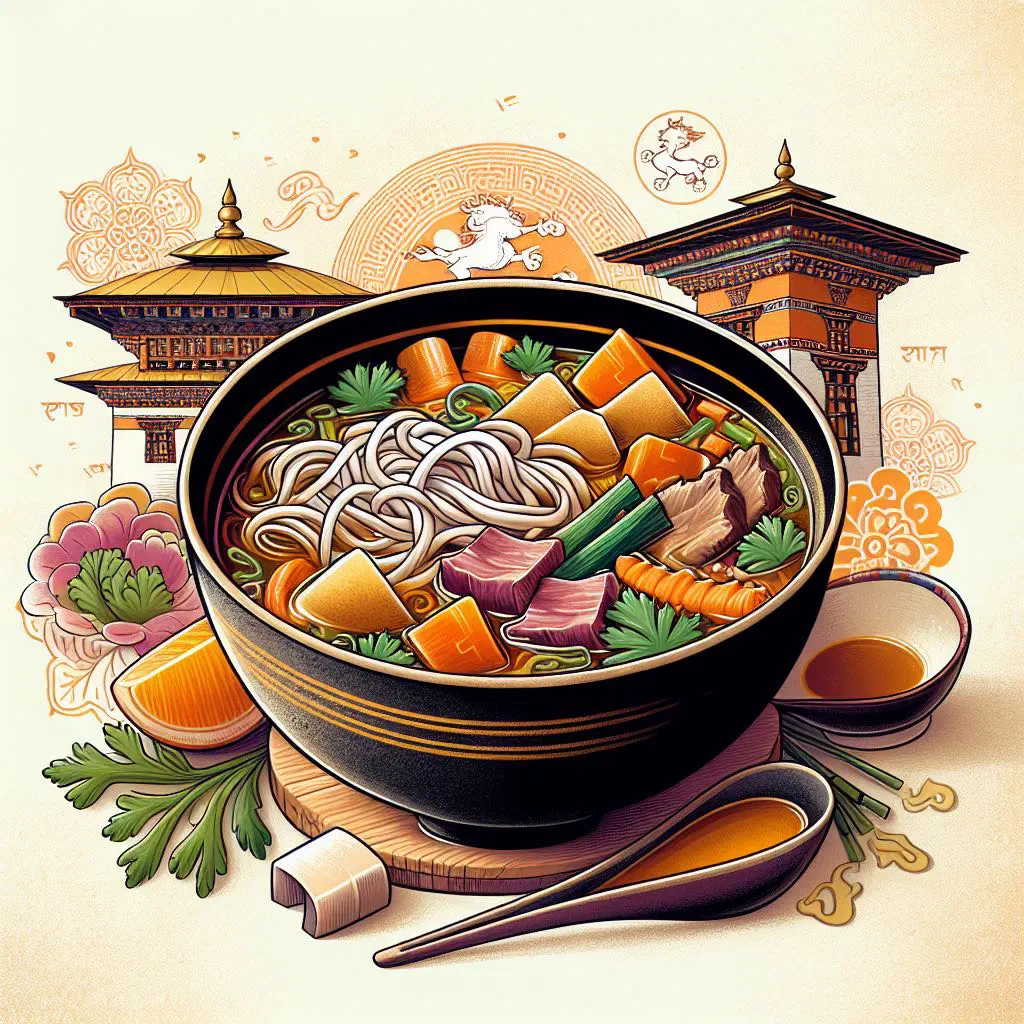
To show thukpa off properly, serve it in deep bowls that let the colours of the broth and vegetables come through. A scattering of fresh coriander leaves and a squeeze of lime instantly make the dish more inviting. Traditional Bhutanese vessels rather than everyday crockery underline the cultural element nicely. A decorative napkin and a couple of crisp side dishes complete the picture.
A bit of history
Thukpa has its roots in Tibetan cooking and is still prepared throughout Bhutan and the neighbouring regions today. Historically, noodle soups were a practical, nourishing meal for travellers and mountaineers, easy to carry and quick to put together. Over time thukpa has evolved into countless local variations and is now a fixture of Bhutanese cuisine. The soup carries associations of community and celebration, and is often served at festivals and family gatherings.
More recipe ideas
Summary: Thukpa
In short, thukpa is not only a delicious dish but a wonderful way to bring a piece of Bhutanese culture into your own kitchen. With its versatility, fresh ingredients and comforting aroma, it is made for cold days. Thukpa is bound to be a hit with family and friends. Let it inspire you and give this traditional favourite a go yourself.