National Dish Bolivia: Ají de Fideo (Recipe)
In this article
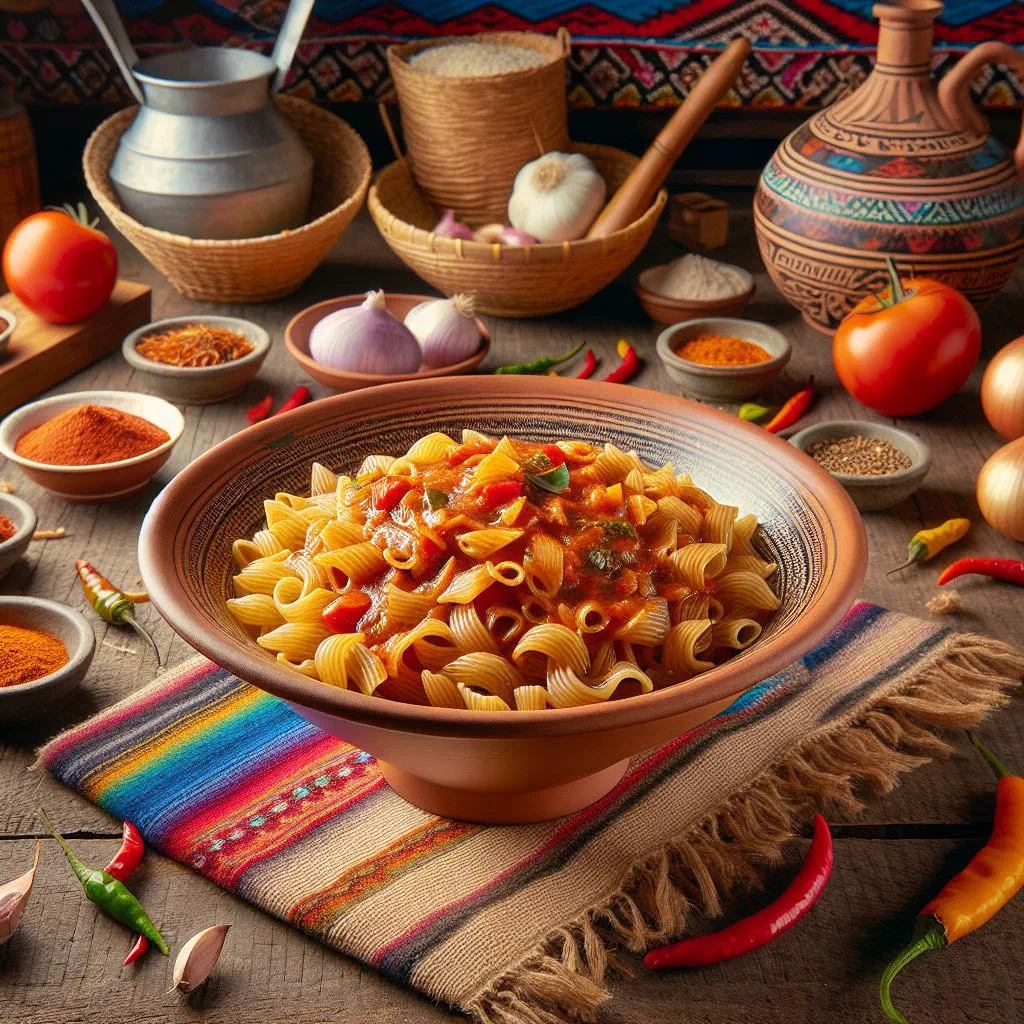
Say hello to Ají de Fideo, one of Bolivia’s most comforting home-cooked classics. This hearty dish brings together tender noodles and a warmly spiced ají sauce built from peppers, tomatoes and fragrant seasonings. It is the kind of meal that fills the kitchen with rich aromas and tastes just as good on a quiet weeknight as it does at a family gathering. Let this Andean favourite bring a little taste of South America straight to your table.
About Ají de Fideo
Ají de Fideo is a hearty dish from Bolivia, celebrated for its aromatic sauce and tender noodles. Its main components are ají (hot and sweet peppers), tomatoes and a careful selection of spices, all of which give the dish its unmistakable character. It is a plate that combines tradition and flavour beautifully. Enjoy Ají de Fideo as a main meal or on special occasions to experience the heart of Bolivian cuisine.
Ingredients (serves 1–2)
- 200 g fideo noodles or another pasta of your choice
- 2–3 ají peppers
- 2 tomatoes
- 1 onion
- 2–3 cloves of garlic
- 1 teaspoon cumin
- Salt and pepper to taste
- 2 tablespoons olive oil
- Fresh coriander, to garnish
Shopping for the ingredients
When shopping for Ají de Fideo, choose fresh produce to bring out the best flavour. Visit a local market to find ají peppers and tomatoes with deep colour and a fragrant aroma. Take care to select good-quality olive oil and spices too, as these can have a real impact on the overall taste of the dish. Wherever possible, reach for regional produce to guarantee authentic flavours.
Preparing the dish
To make Ají de Fideo, begin by preparing the vegetables. Finely chop the onion and garlic to build an intense base of flavour in the sauce. The ají peppers should be deseeded and cut into small pieces, which helps to spread the heat and taste evenly throughout. The tomatoes can simply be diced to bring a fresh, juicy texture to the sauce.
Step-by-step instructions
- Heat the olive oil in a large pot and add the chopped onion and garlic. Fry over medium heat until golden.
- Add the sliced ají peppers and the diced tomatoes, and let everything simmer for around 5–7 minutes.
- Season with cumin, salt and pepper, and stir well to combine.
- Cook the noodles in a separate pot according to the packet instructions until al dente.
- Once the sauce is ready, fold in the cooked noodles and garnish the dish with fresh coriander. Serve hot.
Gluten-free / lactose-free version
For a gluten-free version of Ají de Fideo, you can use alternative noodles made from rice or quinoa. These options are just as delicious and pair well with the aromatic sauce. Simply make sure that all the other ingredients are gluten-free too. No lactose-free adjustment is needed for this recipe, as it is naturally lactose-free.
Tips for vegans and vegetarians
Ají de Fideo is ideal for vegans and vegetarians, as it contains no animal products. Try to source ingredients such as ají peppers and tomatoes from organic growers to achieve the best flavour. You can also enrich the sauce with extra vegetables such as courgette or aubergine. This adds more nutrients and brings additional layers of flavour into play.
More tips and tricks
To deepen the flavour of Ají de Fideo, prepare the sauce a few hours in advance and let it rest in the fridge. This gives the aromas time to develop fully. Experiment with different spices too, adding smoked paprika or chilli, for example, to make it hotter. Fresh herbs are also recommended to lift the dish and create a genuinely Bolivian flavour.
Adapting the recipe to your taste
The beauty of Ají de Fideo lies in its versatility. You can adjust the heat easily by using more or fewer ají peppers. The choice of noodles can also be varied, wholemeal pasta, for instance, makes for a healthier version. For seafood lovers, prawns or fish can be added to give the dish a delicious twist. Simply tailor it to your personal preferences. For a milder plate, the same friendly warmth shines in Ají de Verduras.
Ingredient substitutions
If you cannot find ají peppers, you can use other hot peppers or even chilli paste to achieve the flavour you are after. For a smoky note, smoked paprika is an excellent alternative to cumin. Instead of fresh coriander, you can use parsley if you are not keen on the taste of coriander.
Drink pairing ideas
To round off the Ají de Fideo experience, refreshing drinks such as lime lemonade work beautifully, as does a classic Bolivian spirit like singani. A light, fruity beer could also be a good choice. And for the wine lovers among you, a dry white wine pairs nicely with the aromas of Ají de Fideo.
Serving and presentation ideas
Presentation can greatly enhance the enjoyment of Ají de Fideo. Serve it in an attractive bowl and garnish with colourful fresh coriander and a squeeze of lime. Add a few slices of avocado for an extra touch of freshness. A thoughtful arrangement looks inviting and lifts the spirits of everyone at the table.
A bit of history
Ají de Fideo has its roots in Bolivian cuisine, which has been strongly shaped by many different cultures. The use of ají peppers is a hallmark of both Mexican and Andean cooking, reflecting the connections between these traditions. Originally developed as a simple, filling meal for the working class, it has grown over the years into a much-loved dish served in family homes and fine restaurants alike. Its preparation is delicious and a tribute to the cultural diversity of Bolivia and its wider Bolivian cuisine.
More recipe ideas
Summary: Ají de Fideo
Ají de Fideo is a wonderful Bolivian dish, rich in flavour and tradition. With its tender noodles and spicy sauce, it brings a taste of South America to the table. Use the tips and adaptations to shape Ají de Fideo exactly to your taste, and enjoy the bright flavours of Bolivian cooking.