National Dish Bolivia: Ají de Habas (Recipe)
In this article
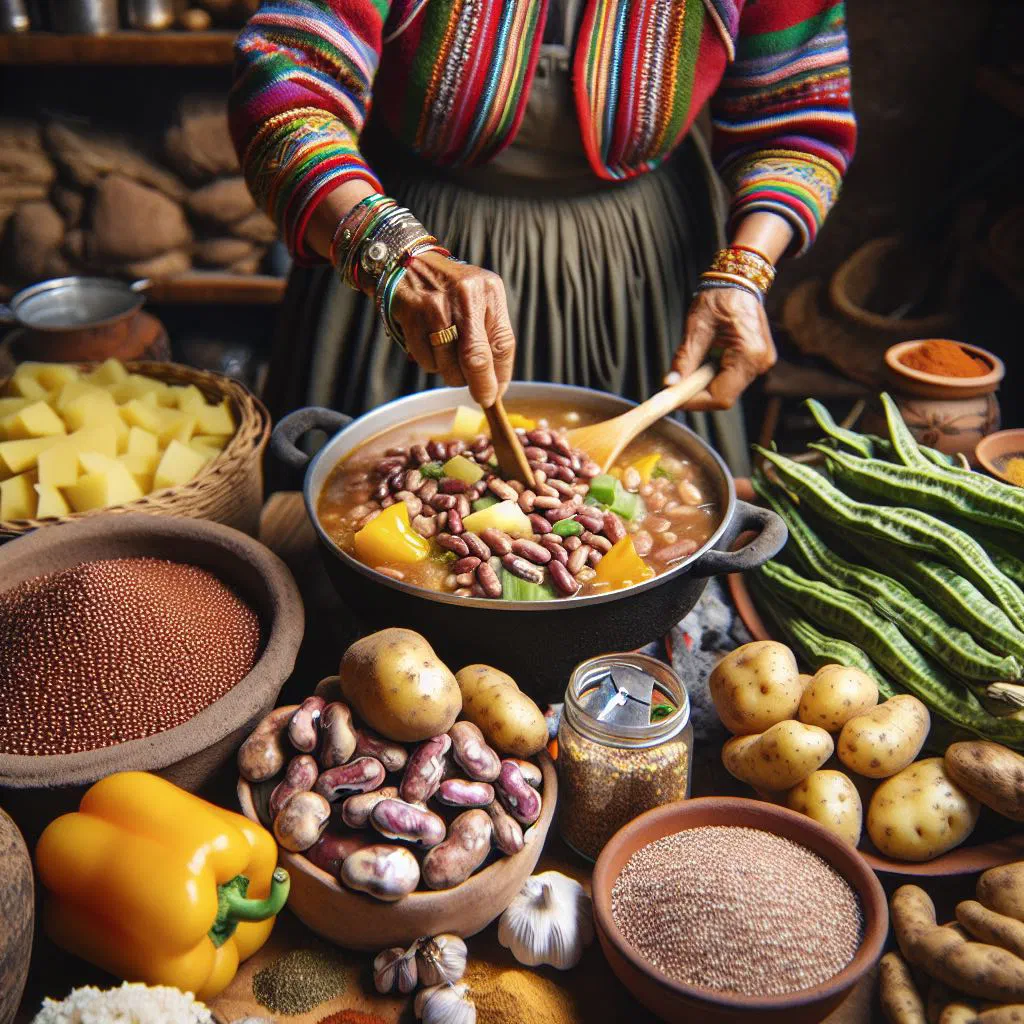
Discover Ají de Habas, one of Bolivia’s most heartening dishes. This traditional recipe brings together tender fava beans, fiery green chillies and fresh herbs for a savoury bowl full of character. It is a mainstay of Bolivian hospitality, often served at special gatherings, and it adapts beautifully to whatever you have to hand. Bring the warm, earthy flavours of the Andes straight to your own table.
About Ají de Habas
Ají de Habas is a traditional dish that is especially appealing to lovers of vegetarian and vegan cooking. The star of the show is the tender fava bean, which pairs with spicy chillies and fresh herbs to create a harmonious balance of flavours. It is typically served with a range of side dishes, which makes it wonderfully flexible for any meal. Ají de Habas brings the taste of Bolivia straight to your plate.
Ingredients (serves 1–2)
- 250 g fresh fava beans
- 1–2 mild green chillies
- 1 small onion, finely chopped
- 2 cloves of garlic, crushed
- 2 tbsp fresh coriander, chopped
- 1 tsp cumin
- Salt and pepper to taste
- Olive oil for frying
Shopping for the ingredients
When shopping for Ají de Habas, look out for fresh, good-quality ingredients to get the best possible result. Fava beans are the foundation of the dish and can usually be found in well-stocked supermarkets or at farmers’ markets. Choose beans that are firm and crisp to guarantee the best texture in the finished dish. The chillies and herbs should be fresh too, so the flavours come through at their brightest.
Preparing the dish
Before you start cooking Ají de Habas, it helps to get all of your ingredients ready. The fava beans should be shelled first and, if needed, soaked to bring out a better flavour. The onion and garlic can also be finely chopped ahead of time. This little bit of groundwork saves time once you begin cooking and makes sure everything cooks evenly.
Step-by-step instructions
- Blanch the fava beans in a large pan of boiling water for around 10 minutes, then drain.
- Heat the olive oil in a frying pan and sauté the onion and garlic until translucent.
- Add the blanched fava beans and stir well to combine.
- Add the chillies and cumin and fry for a further 5 minutes, until the aromas meld together.
- Season with salt, pepper and fresh coriander, then serve hot.
Gluten-free / lactose-free version
Ají de Habas is naturally gluten-free and lactose-free, which makes it ideal for anyone with those intolerances. Every ingredient can be enjoyed without concern, as long as you choose fresh, unprocessed produce. Careful selection means the dish can be savoured even with special dietary needs, so the full flavour of Ají de Habas comes through without having to leave anything out.
Tips for vegans and vegetarians
Ají de Habas is a perfect dish for vegans and vegetarians, since it contains no animal products at all. To refine the flavour further, you can add alternative spices or vegetables. A combination of peppers and carrots gives the flavours an extra lift, much as they do in a comforting Aji De Zanahoria. On top of that, the dish is rich in protein and fibre, making it a genuinely nourishing choice.
More tips and tricks
To get the most out of Ají de Habas, it is worth marinating the beans before cooking to intensify their flavour. The dish also works wonderfully when made ahead, and it often tastes even better the next day. A little lemon juice just before serving rounds off the flavours and adds a fresh note. Experiment with different herbs to give your Ají de Habas a personal touch.
Adapting the recipe to your taste
The great thing about Ají de Habas is that the recipe can be adapted to whatever you fancy. Add more chillies if you like it hotter, or fold in different vegetables for more colour and flavour. You can also vary the ratio of beans to the other ingredients.
Ingredient substitutions
If some ingredients are hard to find, there are plenty of alternatives to consider. Instead of fava beans you could use green peas, as in a bright Aji De Arvejas, though this will naturally change the flavour. Other pulses such as lentils work well too, much like in a hearty Aji De Lentejas, and let you create a similar dish. Experiment with different ingredients and discover new tastes to enrich your Ají de Habas.
Drink pairing ideas
A hearty dish like Ají de Habas pairs beautifully with refreshing drinks. A light lemon water or a fruity sangria with a mix of fruit and wine complements the flavours perfectly. Alcohol-free mocktails also work very well, balancing the heat of the dish. Choose your drinks thoughtfully and let the variety inspire you.
Serving and presentation ideas
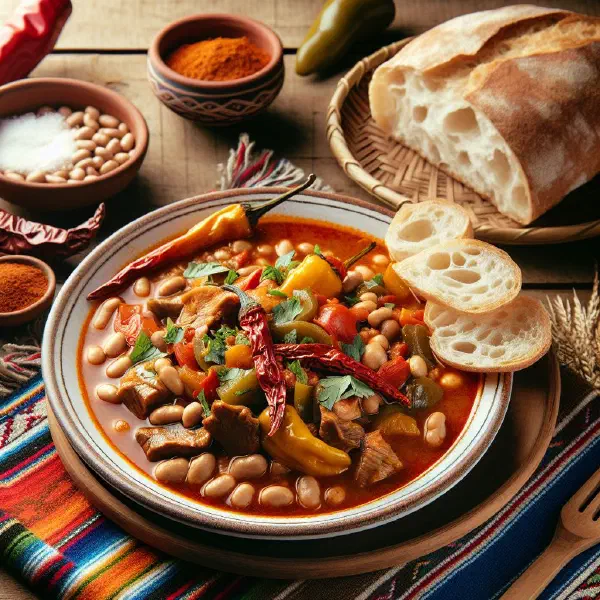
Presentation plays an important part when serving Ají de Habas. A handsome serving platter, garnished with fresh coriander and chillies, makes the dish instantly inviting. Serve it with a small salad or fresh bread to create a complete meal. An attractive arrangement can raise expectations and heighten the pleasure of eating.
A bit of history
Ají de Habas has deep cultural roots in Bolivian gastronomy. The dish is traditionally embedded in many regions of the country and is often served at family gatherings and festivities. The ingredients are valued for their flavour and for their nutritional worth. Ají de Habas is more than just a dish; it is a symbol of the diversity and richness of Bolivian cuisine.
More recipe ideas
Summary: Ají de Habas
In summary, Ají de Habas is a delicious example of Bolivian cuisine, weaving together tradition and flavour. With its simple yet full-flavoured ingredients, it has the potential to please both on an everyday basis and at special occasions. Ideal for vegetarian and vegan diets, it offers nourishment and variety in equal measure. Give it a try and let the abundant flavours of this dish work their magic.