National Dish Bolivia: Ají de Res (Recipe)
In this article
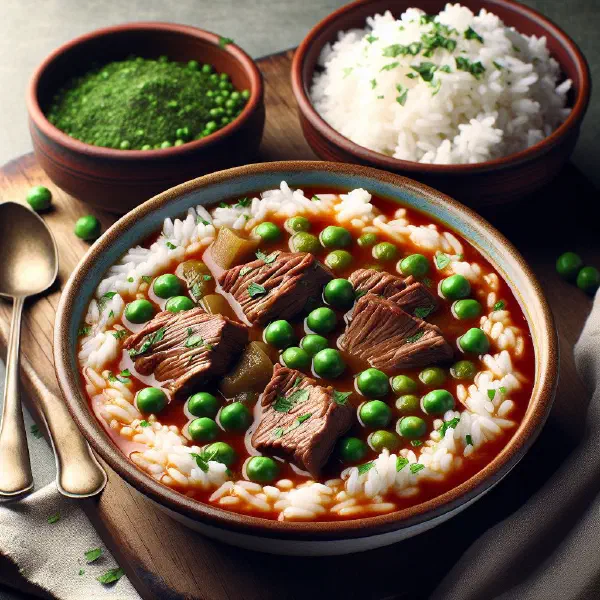
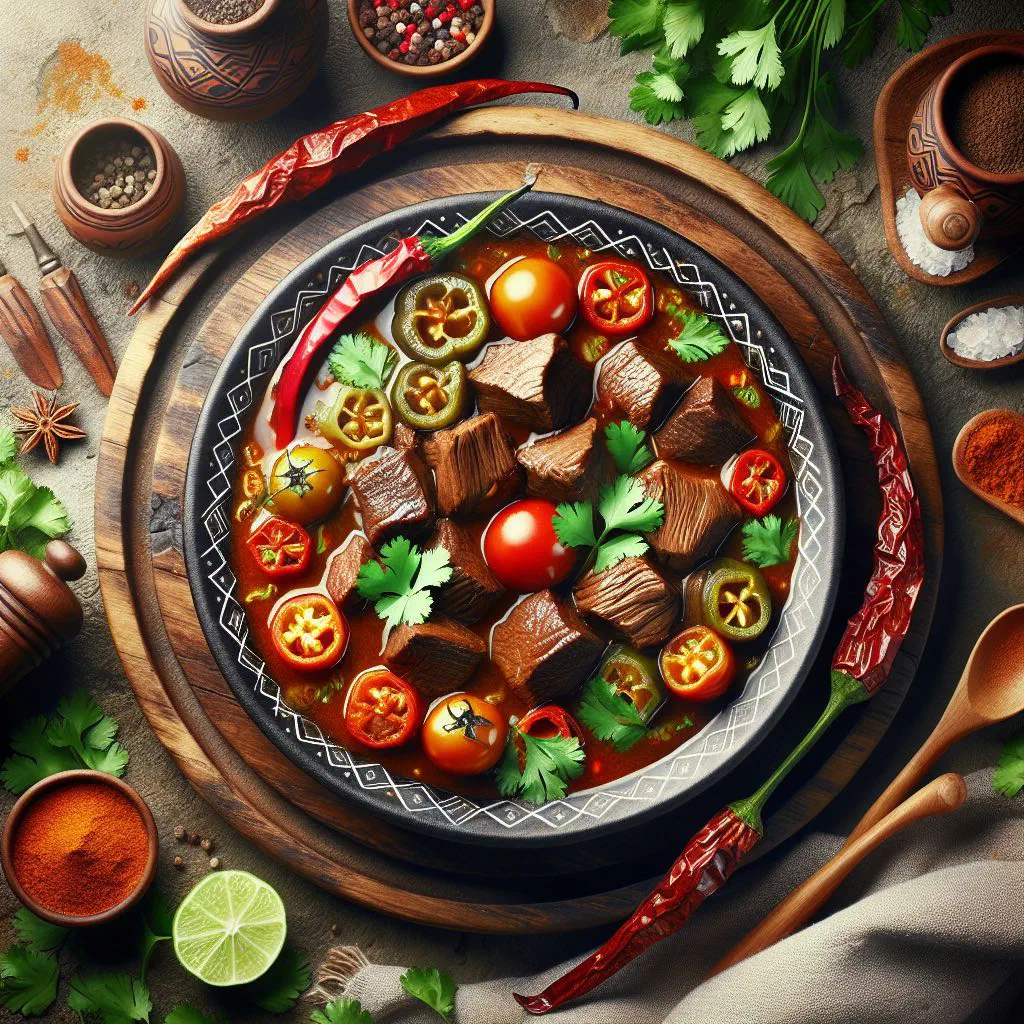
Discover Ají de Res, one of Bolivia’s most satisfying beef dishes. This warming plate brings together tender chunks of beef, fragrant chillies and fresh vegetables in a rich, gently spiced sauce. It strikes a lovely balance between heat and heartiness, and every pot tells a little story of Andean home cooking. Bring a taste of Bolivian tradition to your own kitchen and enjoy it just as families do across the country.
About Ají de Res
The culinary richness of Bolivia comes through beautifully in Ají de Res, a hearty beef dish that wins over locals and visitors alike. It marries spicy aromas with a perfect balance of heat and savoury depth, and its roots reach deep into Bolivian culture. Every version carries its own character, shaped by the cook and the family behind it. With a dish like this, it is the flavour that draws you in and the tradition it embodies, much like the beloved Charquekan that graces so many Bolivian tables.
Ingredients (serves 1–2)
- 500 g beef (e.g. shoulder or topside)
- 2–3 tablespoons vegetable oil
- 1 large onion, chopped
- 2–3 cloves garlic, crushed
- 1–2 green chillies, chopped
- 1–2 tablespoons ají powder (or paprika)
- 4 cups vegetable stock
- 1 cup rice
- Fresh vegetables (e.g. carrots, peas, peppers)
- Salt and pepper to taste
Shopping for the ingredients
To prepare Ají de Res you will need a handful of fresh, good-quality ingredients. A local market or supermarket will usually stock the beef, the various spices and the fresh vegetables you need. Pay attention to the heat of the chillies when you shop, as this can noticeably shape the final flavour of the dish. Special spices such as ají powder may be easiest to find in Latin American or international grocery shops.
Preparing the dish
Preparing Ají de Res starts with cutting the beef into evenly sized cubes so it cooks through at the same rate. Next, wash the vegetables and chop them as you like, keeping everything within easy reach. Getting the ingredients ready in advance is key to a smooth, unhurried cooking process.
Step-by-step instructions
- Heat the vegetable oil in a large pot over medium heat.
- Add the chopped onion and fry until it turns translucent.
- Stir in the garlic and chopped chillies and cook for a further 2 minutes.
- Add the beef and brown it well on all sides.
- Sprinkle over the ají powder and stir thoroughly so the spices coat everything evenly.
- Pour in the vegetable stock and bring the pot to the boil.
- Lower the heat and let the dish simmer gently for 1 to 1½ hours, until the meat is tender.
- Cook the rice according to the packet instructions while the ají de res simmers.
- Serve the ají de res hot with fresh vegetables and rice.
Gluten-free / lactose-free version
Ají de Res is naturally gluten-free and lactose-free, as it is built mainly from fresh ingredients and spices. Do make sure the vegetable stock you use is also gluten-free, especially if you reach for a shop-bought version. Homemade stock gives you the best control over what goes in and lets you avoid any unwanted additives. That way, anyone with special dietary needs can enjoy this delicious dish with complete confidence.
Tips for vegans and vegetarians
Although Ají de Res is traditionally made with beef, you can turn to creative alternatives for a vegan or vegetarian version. Soya or seitan chunks are excellent stand-ins for the meat and soak up the dish’s spices wonderfully. Chickpeas or lentils work just as well and lend a protein-rich twist, the same hearty legumes that shine in a bowl of Aji De Lentejas. This way, vegans and vegetarians can savour all the flavour and aroma of ají de res too.
More tips and tricks
To draw the fullest flavour from your Ají de Res, you can make the dish several hours ahead and keep it in the fridge. The flavours develop beautifully overnight, which only improves the taste. If you would like a little more heat, experiment with different varieties of chilli or stir in a spoonful of chilli paste. Just remember to warm the dish through again before serving to bring it to the ideal temperature.
Adapting the recipe to your taste
One of the great joys of cooking Ají de Res is how easily it bends to your own preferences. You can vary the amount of chilli depending on how much heat you want, or fold in extra vegetables such as courgette or cauliflower. You might also swap in different spices, so every bite reveals a fresh nuance of flavour. Be inventive and turn the dish into your own personal highlight.
Ingredient substitutions
If some of the ingredients for Ají de Res are not to hand, there are plenty of alternatives. In place of beef, you could use chicken or even fish for a lighter version of the dish, or lean on a pork-based favourite like Aji De Cerdo. Instead of green chillies, red or even dried chillies will give a different flavour impression. The possibilities are almost endless and let you tailor the dish exactly to your taste.
Drink pairing ideas
A hearty dish like Ají de Res goes well with a range of drinks. Try a fruity sangria or a cool Bolivian beer to soften the dish’s heat pleasantly. A dry white wine or a lively lemonade can also round out the flavours beautifully. Consider offering alcohol-free options too, keeping them light and refreshing.
Serving and presentation ideas
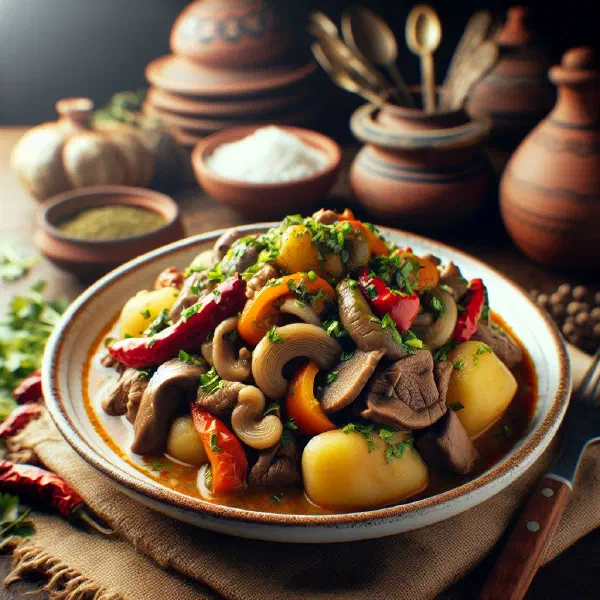
The presentation of Ají de Res can be a real feast for the eyes, and it is worth putting in a little extra effort. Serve the dish in traditional, colourful bowls that reflect the culture of Bolivia. Add a sprig of fresh herbs or a wedge of lime as a garnish to give the dish a fresh, inviting look. A well-arranged plate appeals to the eye and heightens the pleasure of eating.
A bit of history
Ají de Res is a much-loved dish in Bolivia and a reflection of the country’s cultural identity. The use of beef, common throughout the Andean region, together with the typical spices and chillies, gives the dish a character all its own. Historically it was also a way to make good use of food supplies and to prepare large quantities for many people at once. In this way, ají de res grew into a kind of “feast dish”, celebrated in many families and communities, a proud example of Bolivian cuisine alongside classics such as Saltenas.
More recipe ideas
Summary: Ají de Res
In short, Ají de Res is far more than a simple dish; it is an experience for the senses and a piece of Bolivian tradition. With its tasty aromas and its wealth of possible variations, it suits both festive occasions and everyday meals. This dish has something to offer everyone. Let Bolivian cooking inspire you and savour every delicious bite of this hearty dish.