National Dish Bolivia: Cuñapé (Recipe)
In this article
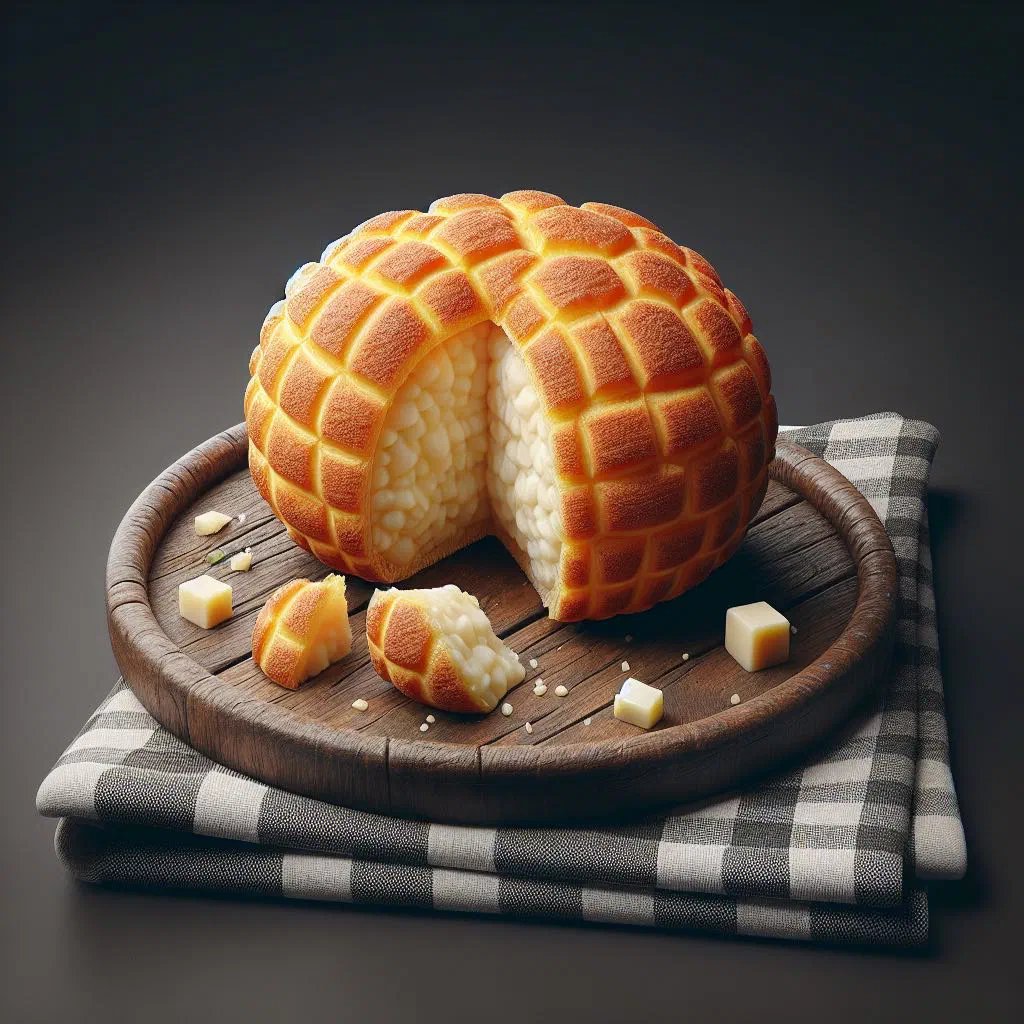
Meet Cuñapé, one of Bolivia’s most cherished snacks: tender little cheese balls made from cassava flour that turn very golden and springy. Blending indigenous Andean tradition with Spanish colonial influence, these bite-sized morsels are equally at home at a lively celebration or as a moreish treat between meals. Best of all, they are naturally gluten-free and come together with only a handful of ingredients, so you can bring a taste of the Andes straight to your own kitchen.
About Cuñapé
Cuñapé is a traditional Bolivian dish with a long history in the Andes. These cheese balls date back several centuries and bring together the influences of the indigenous population with the traditions of the Spanish colonial settlers. Made from cassava flour and cheese, they are prized for their unique flavour and their tender, springy texture. Cuñapé is often enjoyed at festivities or as a snack for any time of day, since they are just as delicious served warm as they are cold.
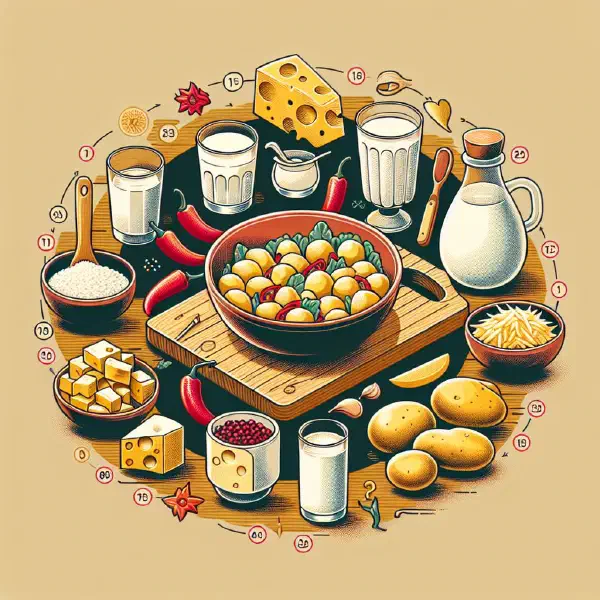
Ingredients (serves 1–2)
- 200g cassava flour
- 100g cheese (such as queso fresco or a similar cheese)
- 1 egg
- 50ml milk
- 1 teaspoon baking powder
- A pinch of salt
- Oil for frying
Shopping for the ingredients
When shopping for the ingredients for Cuñapé, it is important to choose fresh, good-quality products. The cheese in particular often decides the overall flavour of the dish. Most supermarkets stock cassava flour, but it is also readily available in specialist Asian or Latin American grocery shops. Don’t forget to pick a flavoursome cheese that melts well and harmonises nicely with the cassava flour.
Preparing the dish
Preparing Cuñapé is simple and takes only a few steps. First, gather all your ingredients so the process runs smoothly from start to finish. Take care to cut the cheese into small pieces or strips, which makes it far easier to work into the dough later on. The preparation needs very little time and is ideal for getting friends or family involved in the cooking.
Step-by-step instructions
- Heat the oil in a deep pan over medium heat.
- In a bowl, combine the cassava flour, baking powder and salt.
- Add the egg and the milk, then knead everything into a smooth dough.
- Gently work the pieces of cheese into the dough.
- Shape small balls from the dough and carefully lower them into the hot oil.
- Fry the balls until golden brown, then drain them on kitchen paper.
- Serve the Cuñapé warm and enjoy.
Gluten-free / lactose-free version
For anyone wanting to avoid gluten, Cuñapé is already an excellent choice, as it is based on cassava flour, which is naturally gluten-free. When it comes to the cheese, consider a lactose-free alternative to make the dish suitable for those avoiding lactose too. Many varieties of cheese are now available in a lactose-free form. Simply choose the right ingredients to enjoy a delicious and worthwhile dish.
Tips for vegans and vegetarians
For vegans, the preparation of Cuñapé can certainly be adapted. Instead of egg and milk, use plant-based alternatives such as soya milk or almond milk, ideally paired with a vegan cheese. There are now plenty of vegan cheeses that offer a similar melting quality to traditional cheese. That way, vegans too can experience the delicious taste of cuñapé without having to stray from their eating habits.
More tips and tricks
When making Cuñapé, a few tips can help you perfect the dish. Make sure the oil has reached the right temperature before you add the balls, so they fry evenly. Oil that is too cool leads to greasy balls, while oil that is too hot burns the outside before the inside has cooked through. Experiment with different cheeses, or add herbs and spices to the dough, to tailor the recipe to your own taste, much like you might with crisp Yuca Frita.
Adapting the recipe to your taste
The versatility of Cuñapé lets you adapt the recipe just as you please. Add chopped olives, roasted peppers or even fiery chillies, for example, to give the dish a personal touch. You can also change the type of cheese depending on the texture and flavour you prefer.
Ingredient substitutions
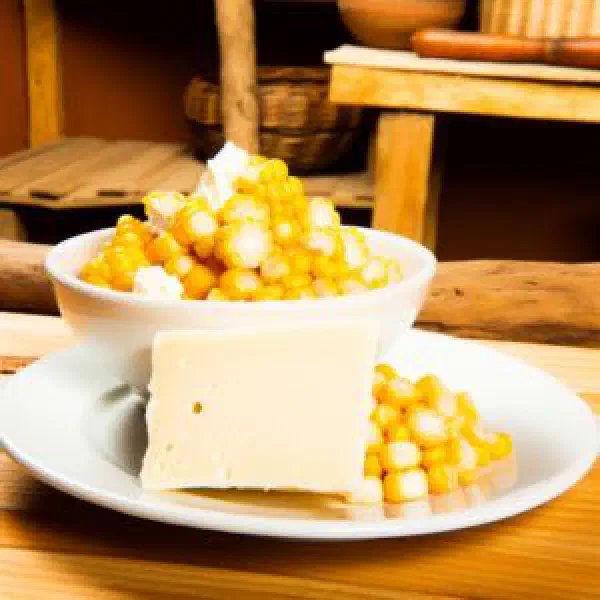
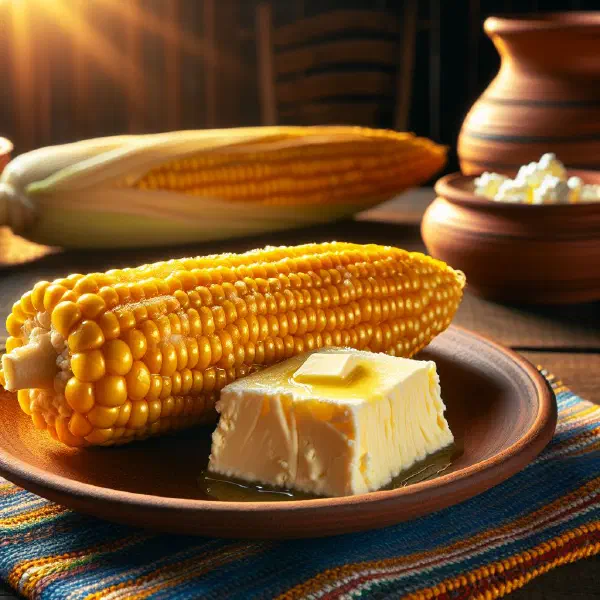
If you are missing some of the ingredients for Cuñapé, there are plenty of alternatives. In place of cassava flour, you can also use other gluten-free flours such as rice flour or corn flour, though these can slightly alter the texture and flavour. For the cheese, you might try a blend of plant-based cheeses to achieve different flavours. Cheese-forward dishes like Choclo Con Queso show just how forgiving these swaps can be.
Drink pairing ideas
To round off the flavour experience of Cuñapé, the right drinks are key. Traditionally, these cheese balls are often served with a refreshing lemonade or a fruity fruit juice. A cool, gently bitter beer also pairs beautifully with the savoury note of the dish. For an alcohol-free option, consider a zingy tea or an iced water with lemon.
Serving and presentation ideas
The presentation of Cuñapé adds to the overall impression of the dish. Serve the little morsels on a colourful plate and garnish them with fresh herbs or a dipping sauce. A dip of avocado or a zesty yoghurt sauce make excellent accompaniments for dunking. Use small napkins or bowls to arrange the balls, and give your table a festive atmosphere. A basket of these alongside warm Empanadas De Queso makes for a generous spread.
A bit of history
Cuñapé has its roots in Bolivian culture and is a wonderful example of the fusion of indigenous and colonial influences. The main ingredient, cassava, is thought to have been used by the region’s indigenous peoples for centuries. In the Andean region, cassava is an important staple, and the tradition of creating a range of dishes from it goes right back to the earliest inhabitants. Today, Cuñapé is well known and much loved not only within Bolivia but far beyond its borders, a proud member of the wider family of Bolivian cuisine.
More recipe ideas
Summary: Cuñapé
In summary, Cuñapé is a true Bolivian pleasure that wins over local and international guests alike. With its simple preparation and adaptable ingredients, it is a flexible dish for any occasion and a wonderful way to bring the culinary traditions of Bolivia into your home. Give it a go and experience the unique taste of these tender cheese balls for yourself.