National Dish Bolivia: K'allu (Recipe)
In this article
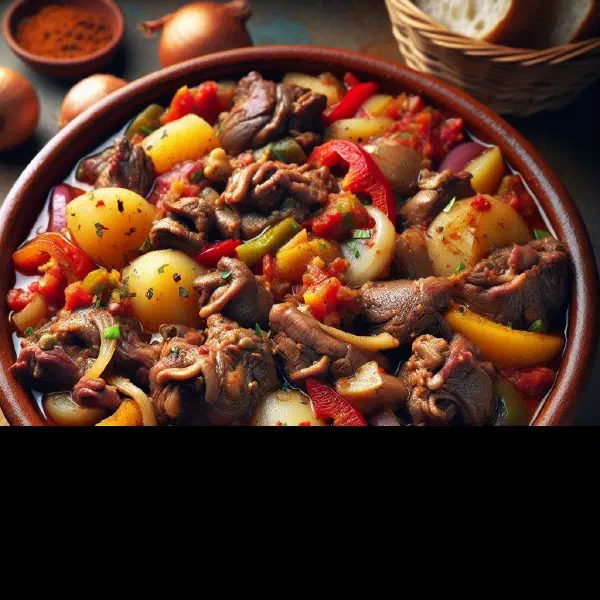
Journey high into the Andes with K’allu, a warming Bolivian classic that celebrates tender meat, garden vegetables and a handful of fragrant spices. This is honest, homely cooking, the kind of dish that fills a table with friends and family and lingers happily in the memory. Simmered slowly until the beef falls apart, K’allu carries all the depth and warmth of the Bolivian highlands. Bring a taste of the Andes into your own kitchen and enjoy every comforting spoonful.
About K’allu
K’allu is a traditional Bolivian dish that wins hearts as much for its cultural meaning as for its flavour. Tender pieces of meat, fresh vegetables and a blend of aromatic spices come together for a taste that speaks of the high Andes. It is often served in convivial gatherings, where sharing food is part of the pleasure, and it appeals to every one of the senses. Making K’allu at home is a lovely way to experience the variety and warmth of Bolivian cooking for yourself.
Ingredients (serves 1–2)
- 300 g beef (or lamb)
- 2 medium potatoes, diced
- 1 carrot, sliced
- 1 onion, finely chopped
- 2 cloves garlic, crushed
- 500 ml beef stock
- 1 tsp cumin
- 1 tsp paprika
- Salt and pepper, to taste
- Fresh herbs to garnish (such as parsley)
Shopping for the ingredients
When shopping for K’allu, it is well worth paying attention to the quality of your produce. Fresh meat and good spices can lift the flavour of the dish enormously. Most of the ingredients are easy to find in a local supermarket or at a market stall. Take the chance to buy local produce where you can. It makes the finished meal feel all the more authentic. Simple ingredients like these also shine in a hearty Chairo.
Preparing the dish
Before you start cooking K’allu, it pays to prepare all of your ingredients first. Dice the vegetables, and chop the onion and garlic finely. Cut the meat into even pieces so it cooks at a consistent pace. Careful preparation makes the cooking itself run smoothly and means you can have the dish on the table in good time.
Step-by-step instructions
- Heat a little oil in a large pan and sauté the onion and garlic until translucent.
- Add the beef and brown it all over.
- Stir in the potatoes and carrot and let them fry briefly with the meat.
- Pour in the beef stock and season with cumin, paprika, salt and pepper.
- Let everything simmer over medium heat for about 1 hour, until the meat is tender.
- Serve K’allu hot, garnished with fresh herbs.
Gluten-free / lactose-free version
K’allu is naturally gluten-free and lactose-free, which makes it a great option for anyone with an intolerance. Do check that the beef stock you buy is a certified gluten-free variety, so the whole dish stays suitable. Building the recipe around fresh, natural ingredients helps keep it friendly for both gluten-free and lactose-free diets.
Tips for vegans and vegetarians
K’allu adapts easily for vegans and vegetarians. Simply swap the meat for a plant-based protein such as tofu or seitan. Use vegetable stock in place of the beef stock to keep the flavour rich, and feel free to widen the range of vegetables, adding courgette or aubergine for extra variety. A little creativity is all it takes to create a vegan or vegetarian version that is every bit as satisfying.
More tips and tricks
To coax the best aroma out of K’allu, let the dish rest for a few minutes after cooking so the flavours can settle and deepen. Experiment with different spices to tune the recipe to your own palate. If you like a bit of heat, a pinch of chilli or extra pepper will liven things up nicely. Small variations like these keep the dish interesting every time you make it.
Adapting the recipe to your taste
K’allu is a wonderfully flexible dish that bends easily to your preferences. If a particular vegetable is not to your liking, swap it for an alternative. The meat can vary too, while beef is traditional, chicken or pork both work beautifully. And if you are fond of soups, simply add more stock to make the dish looser and more brothy, in the style of a good Chanka de Pollo.
Ingredient substitutions
If you do not have every ingredient for K’allu to hand, there are plenty of alternatives to fall back on. Lamb or even chicken can stand in for the beef and bring their own character. Vegetable stock makes a fine substitute for beef stock, and the potatoes can be swapped for sweet potatoes. The aim is always to create a dish that tastes good to you and is easy to put together.
Drink pairing ideas
To round off the K’allu experience, give some thought to the drinks you serve alongside. A good, full-bodied red wine sits beautifully with the savoury flavours of the dish. Alternatively, pour a traditional Bolivian drink such as chicha, or a refreshing lemonade. For alcohol-free options, herbal teas also work well, harmonising nicely with the spices in the dish. A warm cup of Api makes a lovely sweet finish to the meal.
Serving and presentation ideas
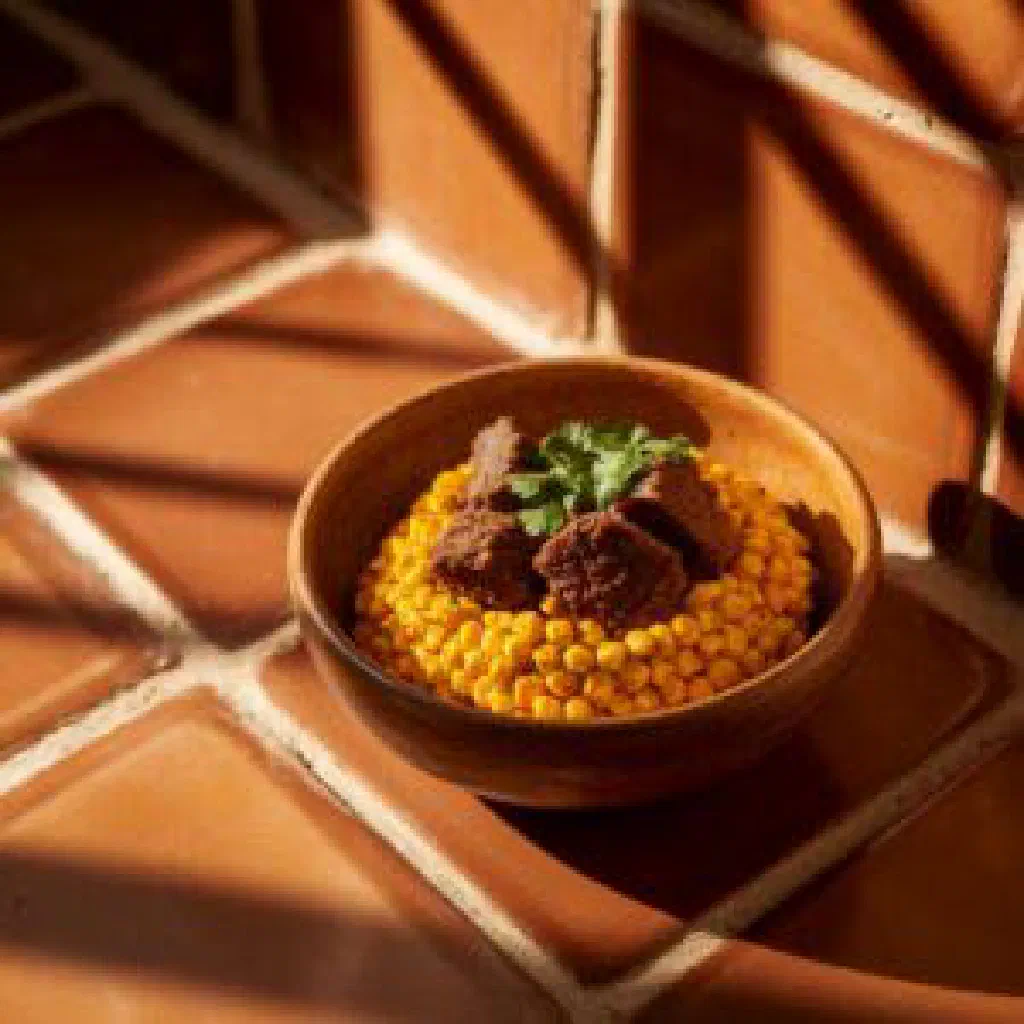
Thoughtful presentation can make the K’allu experience feel even more special. Serve the dish in an attractive deep bowl and garnish with fresh herbs. A scatter of colourful vegetables lifts the look further still. Keep the portions generous to impress your guests and make the table feel abundant.
A bit of history
K’allu has deep traditional roots in Bolivian culture, reaching back to the ancient peoples of the Andes. It is a dish often prepared for special occasions throughout the Andean region. Cooking and eating carry great weight in Bolivian society, drawing people together and strengthening community. Making K’allu unites family and friends and celebrates the history and cultural exchange of the Andes, a proud part of Bolivian cuisine.
More recipe ideas
Summary: K’allu
In short, K’allu is a hearty dish that captures the very essence of Bolivian cooking. It is delicious and a symbol of the country’s culture and traditions. It delivers on every front. Let its flavours and its gentle preparation inspire you to create your own version of this wonderful Andean dish.