National Dish Bolivia: Oven-Baked Trout (Recipe)

In this article
Discover Trucha al Horno, one of Bolivia’s most beloved fish dishes. This fragrant, oven-baked trout brings together tender fish, fresh herbs, garlic and lemon for a truly memorable meal. Baking keeps the fish beautifully moist while the aromatics work their way through every bite. Simple enough for a relaxed family supper yet elegant enough for a special occasion, it captures the fresh, unfussy spirit of Andean cooking.
About Trucha al Horno
Trucha al Horno is a traditional dish from Bolivia that gently seduces the senses. The pairing of tender trout with fragrant aromatics turns this dish into a genuine delicacy. Baking in the oven keeps the trout wonderfully juicy, while fresh herbs, garlic and lemon deliver a flavour experience that is hard to forget. It is prized not only within Bolivia but well beyond its borders, and it enjoys a devoted following among food lovers everywhere.
Ingredients (serves 1–2)
- 2 trout (fresh or frozen)
- 2 cloves garlic, finely chopped
- 1 lemon, sliced
- 1 handful fresh parsley or coriander, chopped
- Olive oil
- Salt and pepper to taste
Shopping for the ingredients
When shopping for the ingredients for Trucha al Horno, the most important thing is to look for fresh trout. A fresh fish has glossy skin and a mild, clean smell. It is best bought from a good fishmonger or a well-stocked supermarket. Fresh herbs also make a real difference to the finished flavour, so it is worth reaching for organic quality where you can.
Preparing the dish
Preparing Trucha al Horno is quick and straightforward. First, rinse the trout thoroughly and remove any innards, then pat the fish dry with a clean kitchen towel. Slice the lemon and tuck it, along with the chopped garlic and fresh herbs, into the cavity of each trout so the aromas can develop fully as the fish bakes.
Step-by-step instructions
- Preheat the oven to 180°C.
- Lightly grease a baking tray with olive oil.
- Lay the prepared trout on the tray.
- Season the fish inside and out with salt and pepper.
- Pack the lemon, garlic and herbs into the cavity of each fish.
- Bake the trout for about 20–25 minutes, until cooked through and flaky.
- Serve hot and enjoy with the sides of your choice.
Gluten-free / lactose-free version
The recipe for Trucha al Horno is naturally gluten-free and lactose-free, which makes it an ideal choice for anyone with intolerances or allergies. Just take care that any accompaniments you serve alongside, such as sauces or side dishes, are also free from gluten and lactose.
Tips for vegans and vegetarians
For vegans and vegetarians, Trucha al Horno is naturally a challenge, but a plant-based version is easy to put together. Roast vegetables and asparagus in a similar marinade of lemon, garlic and herbs to capture a comparable flavour while keeping things wholesome and nourishing. Prepared with care, a vegetable bake makes an equally satisfying alternative to the fish.
More tips and tricks
There are a few handy tips and tricks that will help you perfect Trucha al Horno. Above all, avoid leaving the trout in the oven too long, as it dries out quickly. Checking the fish partway through baking helps you judge when it is done. A good guide: a piece of fish that flakes apart easily with a fork is cooked to perfection.
Adapting the recipe to your taste
Trucha al Horno is easy to adjust to your own preferences. Experiment with different herbs, such as thyme or dill, to add a personal touch. You can also pair the fish with a range of sides, rice or a fresh green salad both work beautifully. Little variations like these keep the dish interesting and make it a pleasure to return to again and again.
Ingredient substitutions
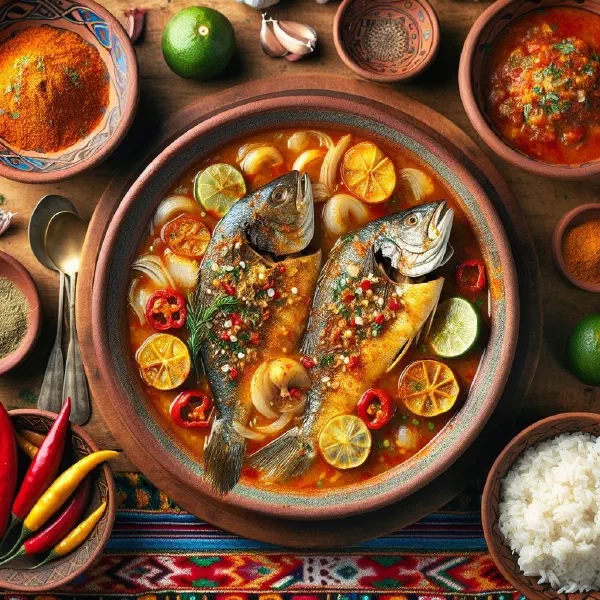
If you cannot find trout, other fish such as salmon or sea bream make excellent alternatives, the same idea behind a simple Fish Stew. The herbs are just as flexible; fresh chives or basil work well too. When it comes to the lemon, choose the best quality you can find for the brightest flavour. Trying out different variations is part of what keeps this recipe so rewarding.
Drink pairing ideas
A number of drinks pair nicely with Trucha al Horno and round out the meal. A crisp, dry white wine such as a Sauvignon Blanc, or a light rosé, harmonises perfectly with the fish. For a non-alcoholic option, a fresh lemon-ginger tea or a homemade lemonade works wonderfully. These drinks let the flavours of the dish shine through.
Serving and presentation ideas
An appealing presentation can lift the enjoyment of Trucha al Horno considerably. Serve the fish on a handsome plate, garnished with fresh herbs and lemon slices. Arranging the sides in a colourful, attractive way makes the whole dish feel more lively. Try it alongside crisp Fried Yuca. A thoughtful presentation turns any meal into something special and appeals to your guests.
A bit of history
Trucha al Horno has its origins in Bolivian cuisine, where fish dishes play an important role thanks to the country’s geography and its many lakes and rivers, Lake Titicaca in particular is famous for its trout. Baking in the oven is a traditional method that lets the flavours develop while keeping the fish tender. Handed down over generations, the dish is often served at festive occasions, making it a symbol of Bolivia’s rich food culture. It sits comfortably among other lake-and-river classics of Bolivian cuisine such as Trout Ceviche.
More recipe ideas
Summary: Trucha al Horno
Trucha al Horno is a delicious example of the varied Bolivian kitchen.