National Dish Bosnia and Herzegovina: Ajvar (Recipe)
In this article
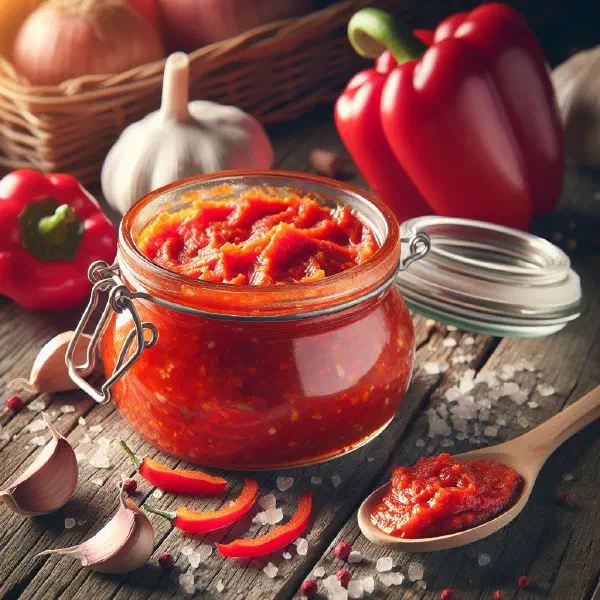
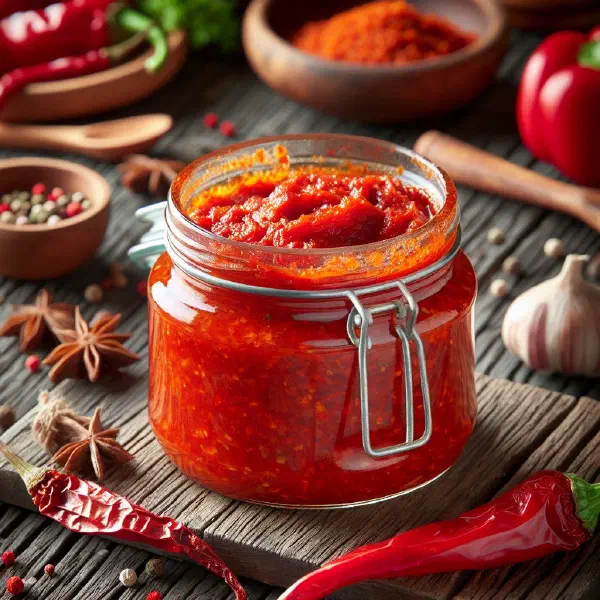
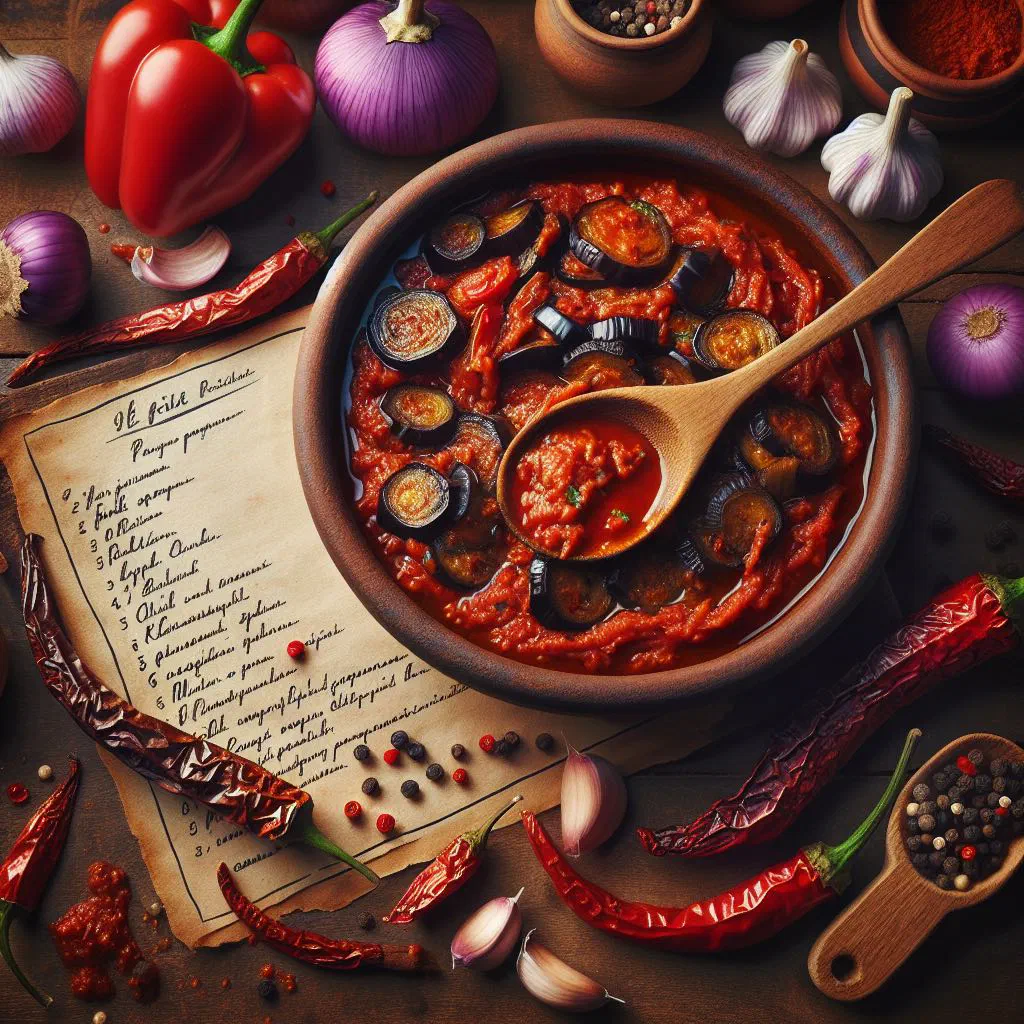
Discover Ajvar, the bright red pepper relish that captures the soul of Balkan cooking. This wonderfully savoury spread turns humble roasted peppers into something special, perfect as a dip, a spread for warm bread or a side alongside grilled meats. With its smoky sweetness and gentle garlic warmth, ajvar brings a taste of Bosnia straight to your table and livens up almost any meal it touches.
About Ajvar
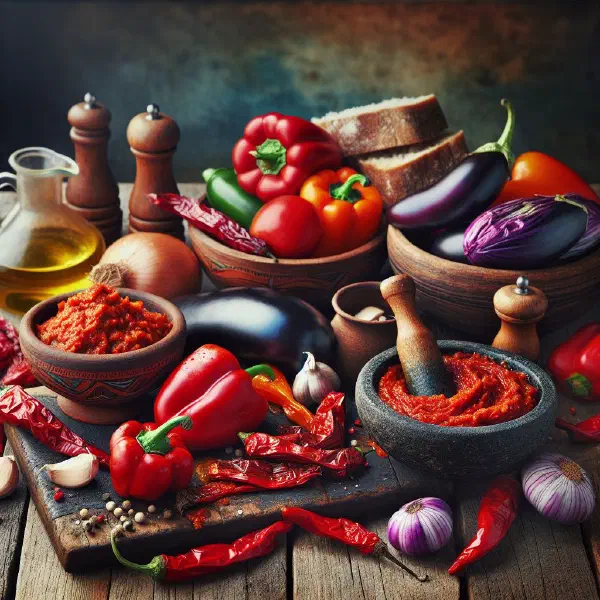
Ajvar is a piquant pepper relish with its roots in the Balkans, and Bosnia in particular. Over the years this much-loved recipe has become a staple side dish, ideal for all kinds of occasions. The combination of roasted red peppers, aubergine, garlic and seasoning creates an unmistakable flavour that simply appeals to. A spread or a side, ajvar brings that unmistakable Balkan feeling directly to your plate.
Ingredients (serves 1–2)
- 2 large red peppers
- 1 small aubergine
- 2–3 cloves of garlic
- 2 tablespoons olive oil
- Salt and pepper to taste
- 1 teaspoon vinegar (optional)
Shopping for the ingredients
When shopping for ajvar, it is well worth paying attention to the quality of the peppers. Look for ones that are fresh and glossy so you capture the best possible aroma. The aubergine should be firm and free of any brown patches. Many of these ingredients are seasonal, which is why late summer and autumn are the best times to buy fresh produce at its peak.
Preparing the dish
Before you start making the ajvar, the ingredients need a little groundwork. Wash the peppers and aubergine thoroughly and cut them into larger pieces. This makes them easier to roast and helps them cook evenly. You can prepare the garlic too, peeling the cloves and crushing them gently so they release their full aroma.
Step-by-step instructions
- Preheat the oven to 200°C.
- Place the peppers and aubergine on a baking tray and brush with a little olive oil.
- Roast the vegetables in the oven until the peppers are lightly charred (about 30 minutes).
- Let the roasted vegetables cool, then peel the skin from the peppers.
- Put the vegetables together with the garlic into a blender and purée.
- Season with salt, pepper and, if you like, a little vinegar, then mix well.
- Spoon the ajvar into a clean jar and store it in the fridge.
Gluten-free / lactose-free version
The recipe for ajvar is naturally gluten- and lactose-free, as it contains only plant-based ingredients. That means it can be enjoyed without worry by anyone with those intolerances, making ajvar an excellent choice for healthy, mindful eating. You can also offer it as a snack at parties or gatherings without having to fret about allergies.
Tips for vegans and vegetarians
Ajvar is a perfect dish for vegans and vegetarians, since it is made purely from vegetables and is wonderfully nutritious. It is a great way to work extra vitamins and minerals into your diet. This spread goes especially well with a wide range of dishes and is often served as a side to grilled specialities, much like the smoky char of classic Cevapi. Vegans also love how versatile ajvar is, pairing beautifully with all sorts of other plant-based plates.
More tips and tricks
To intensify the flavour of your ajvar, you can add extra spices such as paprika powder or chilli, depending on how hot you like it. You could also try other vegetable variations, courgette for instance, to change up the taste. Store ajvar in a sterilised jar in the fridge so it keeps longer and the flavour deepens. Ajvar tastes best when it has had a few hours to rest and settle after cooking.
Adapting the recipe to your taste
The beauty of ajvar lies in how flexible it is to make. Depending on your own preference you can vary the amount of garlic or experiment with different varieties of pepper to give the dish your personal stamp. Some people prefer a creamier consistency, which you can achieve by adding olive oil or a splash of vegetable stock. Do not be afraid to get creative and adapt the recipe to suit your own taste.
Ingredient substitutions
If you do not have every ingredient to hand, there are a few alternatives that work just as well. In place of aubergine, for example, you can use tomatoes to give the ajvar a fresher note. If you like, the amount of olive oil can also be reduced for a lighter, lower-calorie version. Explore different combinations and find out what works best for you and your guests, the same spirit of improvisation that shapes a hearty Djuvec.
Drink pairing ideas
Ajvar pairs wonderfully with a variety of drinks. Traditionally it is often served with beer or red wine. For an alcohol-free option, a fresh lemon tea or mint water makes a lovely match, complementing the flavours of the dish beautifully. Experiment to find the perfect drink pairing for your ajvar spread.
Serving and presentation ideas
The presentation of your ajvar can be every bit as impressive as its taste. Serve it in an attractive bowl to please the eye. Finish with a drizzle of olive oil on top and garnish with fresh herbs to add colour and flavour. Crusty flatbread or vegetable sticks make ideal partners and can be arranged just as prettily, alongside a wedge of savoury Pita for a fuller spread.
A bit of history
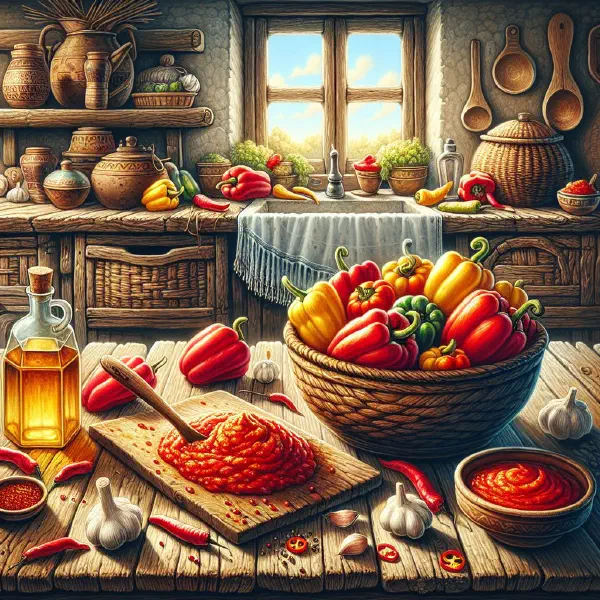
Ajvar has a long history, deeply rooted in Balkan culture. Originally a dish made for winter, ajvar was created as a way to use up surplus peppers at the end of the season. Over the years it has grown into a beloved dish across the region, with many local variations. Today ajvar is a firm part of the kitchens and cultural traditions of Bosnia and of Croatia, Serbia and other Balkan countries, standing proudly among the classics of Bosnia and Herzegovina cuisine.
More recipe ideas
Summary: Ajvar
Ajvar is a delicious and versatile pepper relish loved not only in Bosnia but across many other Balkan countries. With its unmistakable combination of ingredients, it is both a treat for the palate and a firm part of the region’s cultural heritage. Whether as a dip, a spread or a side, ajvar enriches every meal and is easy to adapt to your own preferences. Give it a try and bring a little piece of the Balkans into your kitchen.