National Dish Bosnia and Herzegovina: Bosanska Kahva (Recipe)
In this article
Meet Bosanska kahva, the traditional Bosnian coffee that is far more than a simple pick-me-up. Brewed slowly in a copper pot and served in dainty cups, it stands at the very heart of Bosnian hospitality. Whenever friends and family gather to swap stories, this rich, aromatic coffee is what brings them to the table. Learn how to prepare it at home and share in a ritual that has been passed down through generations.
About Bosanska Kahva
Bosanska kahva, the traditional Bosnian coffee, is more than just a drink; it is a part of Bosnia’s cultural identity. This method of coffee-making has its roots in a long-standing tradition and is closely tied to sociable, unhurried moments. The way Bosanska kahva is prepared matters just as much as the choice of coffee beans. Friends and family gather regularly around the table to enjoy this special brew and share their stories, turning an everyday cup into a treasured ritual.
Ingredients (serves 1–2)
- 2 tablespoons finely ground coffee
- 1 cup water
- Sugar to taste (optional)
- A pinch of cardamom (optional)
Shopping for the ingredients
For Bosanska kahva you should ideally choose freshly ground arabica or robusta coffee. Many specialist shops and online stores stock high-quality beans that are perfect for this preparation. You will also need a džezva, the special long-handled pot used for brewing. Your local supermarket is often a good place to look, too, especially when hunting for spices such as cardamom or cinnamon.
Preparing the dish
Preparing Bosanska kahva calls for a little attention to detail and a good measure of patience. Begin by setting out all the ingredients you need and making sure your džezva is clean and ready. Measure the coffee and water precisely to achieve the best balance of flavour. If you choose to add cardamom, it lends an extra layer of aroma that shapes the character of the finished cup.
Step-by-step instructions
- Add the ground coffee and the water to the džezva.
- Optional: stir in sugar and cardamom to taste.
- Heat the džezva slowly over a low flame and watch as the coffee begins to come to the boil.
- As soon as the coffee starts to bubble up, briefly lift the džezva off the heat to stop it boiling over.
- Pour the coffee into small cups and enjoy it, ideally with a glass of water on the side.
Gluten-free / lactose-free version
Bosanska kahva is naturally lactose-free and gluten-free, as it calls for nothing more than water and ground coffee. If you need to avoid gluten or lactose, this drink is a wonderful choice. Do check your coffee beans, however, to be certain that no gluten-containing additives have crept in. You can then savour the full richness of the flavour without a second thought.
Tips for vegans and vegetarians
Bosanska kahva is an entirely vegan drink, so long as no animal products are added. That said, you can enrich the experience with plant-based options such as almond or oat milk. These alternatives lend a pleasing creaminess and an extra note of flavour that complements the coffee beautifully. They also add to the drink’s versatility and make it easy to adapt to any diet.
More tips and tricks
To coax out the full flavour of Bosanska kahva, the choice of bean is decisive. Experiment with different roasts to discover which one suits your palate best. Take care to grind the coffee fresh, as this has a real effect on the aroma and the intensity of the taste. You can also fine-tune the brewing itself by regulating the heat and lifting the pot off the flame the moment the coffee threatens to boil over.
Adapting the recipe to your taste
Making Bosanska kahva is a flexible affair that can be tailored to personal preference. Feel free to play with the amount of sugar and cardamom until you find your ideal blend. Cutting back on the sugar can bring out the coffee’s full aroma and reveal new layers of flavour. Beyond that, you can try other spices such as cinnamon or cloves to give your cup a unique signature.
Ingredient substitutions
If cardamom is not to your liking, you can leave it out altogether or swap it for other spices to explore fresh flavours. Instead of ordinary sugar, you might reach for agave syrup or honey to add sweetness, much as you would sweeten a slice of Baklava. For a lactose-free touch, plant-based milk alternatives work well too. And when it comes to the coffee itself, choosing between different roasts and varieties lets you build the flavour profile that best suits your own taste.
Drink pairing ideas
A few traditional Bosnian sweets go splendidly alongside Bosanska kahva, such as squares of Tufahija or a piece of Baklava. A classic accompaniment is rakija, a strong fruit brandy, or simply a glass of water to refresh the palate between sips. For a non-alcoholic alternative rooted in the same culinary heritage, a mild Boza makes a lovely partner. These pairings are popular in Bosnian cafés and homes alike.
Serving and presentation ideas
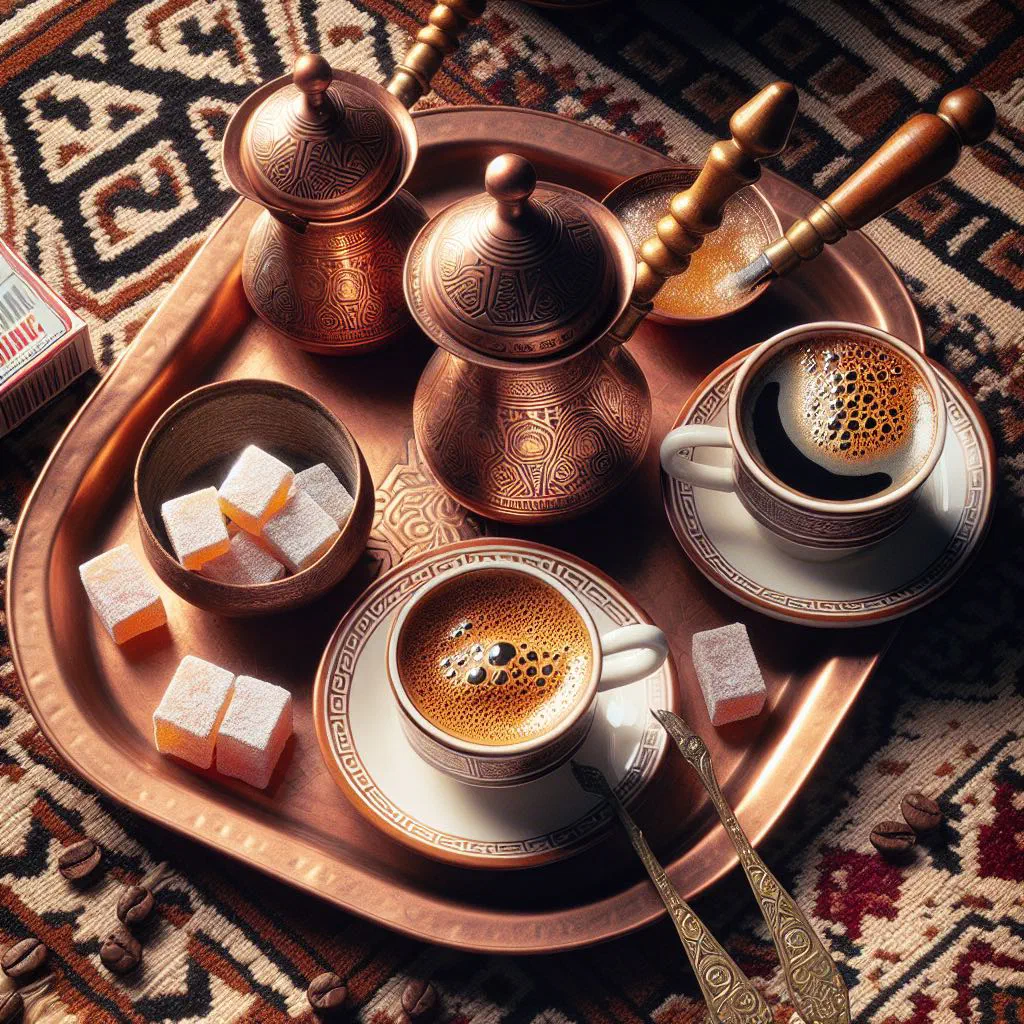
The presentation of Bosanska kahva is every bit as important as the brewing. Serve the coffee in small, prettily decorated cups to deepen the cultural experience. A glass of water beside the cup provides an appealing visual contrast and invites the guest to enjoy the aromas at leisure. A little pastry or sweet is often offered alongside, adding a final flourish to the presentation.
A bit of history
The tradition of coffee-drinking runs deep in Bosnia and has its roots in Ottoman culture. Bosanska kahva is closely associated with sociability and hospitality, a hallmark of Bosnian cuisine. Brewing in the džezva is a ritual that has endured across generations and is still lovingly kept alive today. This method is prized for its simplicity and efficiency, drawing out the coffee’s original flavours while forging a link to the country’s history.
More recipe ideas
Summary: Bosanska Kahva
Bosanska kahva is not merely a drink but a cultural experience that embodies the very essence of Bosnian hospitality. The brewing in the džezva and the careful choice of ingredients play a central role in creating its distinctive flavour. This coffee is sure to become a highlight of your own coffee culture. Sit back, take a sip and let the aromas cast their spell.