National Dish Bosnia and Herzegovina: Bosanski Lonac (Recipe)
In this article
Discover Bosanski Lonac, the hearty layered stew at the very heart of Bosnian home cooking. This rustic one-pot dish brings together tender meat, colourful vegetables and warming spices, all left to mingle slowly until every spoonful is rich and satisfying. Traditionally shared at family gatherings and festive occasions, it is the kind of generous, soul-warming meal that draws everyone to the table. Let the robust flavours of the Balkans fill your own kitchen.
About Bosanski Lonac
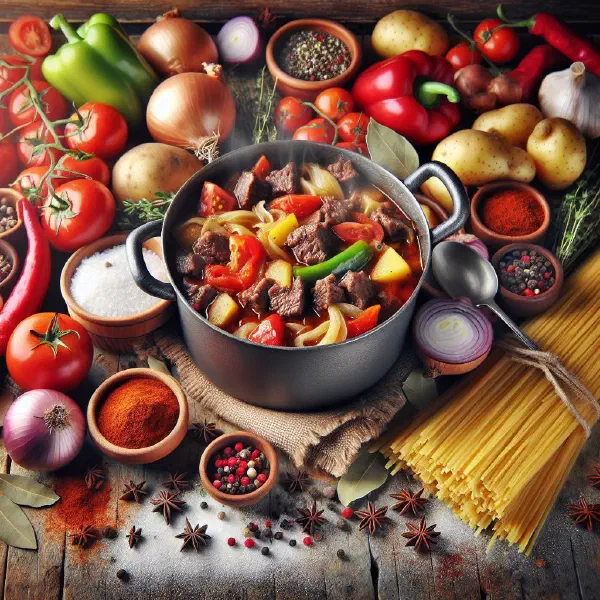
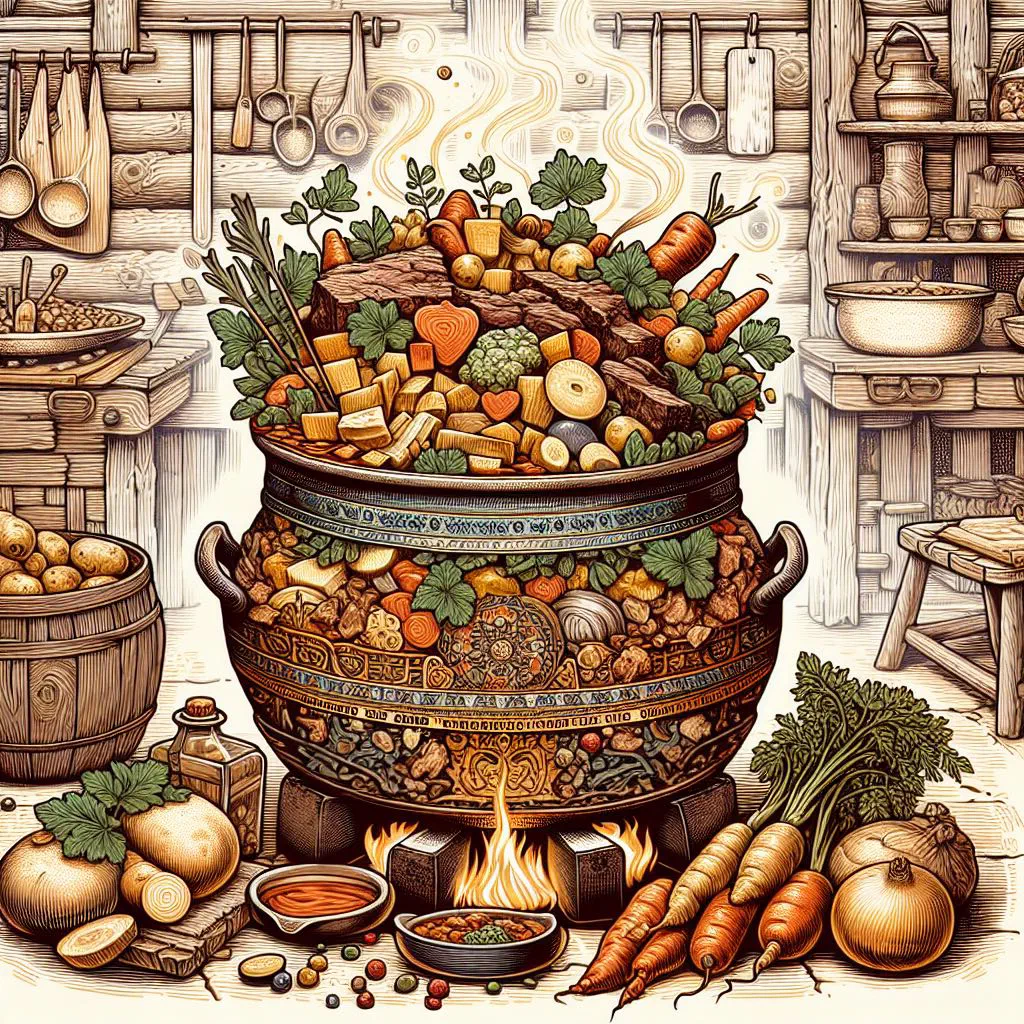
Bosanski Lonac is a traditional Bosnian stew celebrated for its hearty aroma and its unmistakable combination of flavours. The dish unites tender meat, fresh vegetables and aromatic spices in a rustic form that brings every family together. It is often served at festive occasions or relaxed family meals, strengthening the social bonds around the table. Let yourself be won over by the robustness and variety of Bosnian cuisine.
Ingredients (serves 1–2)
- 300 g beef
- 200 g lamb
- 1 onion
- 2 carrots
- 2 potatoes
- 1 pepper
- 2–3 cloves of garlic
- 3 tablespoons olive oil
- 1.5 litres beef stock
- Salt and pepper to taste
- A pinch of paprika
- A few bay leaves
Shopping for the ingredients
When shopping for the ingredients for Bosanski Lonac, it pays to look for fresh and regional produce. Pay particular attention to the meat, as its quality has a decisive influence on the flavour of the stew. Onions, carrots and potatoes should be firm and unblemished. Visit a local market or a well-stocked grocer to track down the best ingredients, much as you would when gathering the components for a proper Grah.
Preparing the dish
The right preparation plays a crucial role in the success of your Bosanski Lonac. Begin by cutting the meat and vegetables into even pieces. This gives the dish an appealing look and ensures a consistent cooking process. Good preparation can shorten the cooking time and make things easier while the meal is on the go.
Step-by-step instructions
- Cut the meat into cubes and brown it in a large pot with the olive oil.
- Add the onion and garlic and sauté briefly until the onion turns translucent.
- Add the chopped vegetables (carrots, potatoes, pepper) and let them fry for a moment.
- Pour in the beef stock and add the bay leaves, salt, pepper and paprika.
- Let the stew simmer over low heat for around 2 hours.
- Stir occasionally, adding a little more stock or water if needed.
- Once the meat is tender, adjust the seasoning and serve.
Gluten-free / lactose-free version
Bosanski Lonac is easy to prepare gluten-free and lactose-free. When buying the stock, check that it contains no gluten-based ingredients. You can also use lactose-free alternatives to round off the stew. When choosing your cuts of meat, look for high-quality products free of additives.
Tips for vegans and vegetarians
Although Bosanski Lonac is traditionally made with meat, you can create a vegan or vegetarian version by relying on vegetable stock and a range of vegetables such as courgettes, aubergines or mushrooms. A combination of pulses like chickpeas or lentils also makes for a substantial meal. Experiment with different spices to bring out the full flavour of the dish.
More tips and tricks
For a more intense flavour in your Bosanski Lonac, marinate the meat before browning it. This helps the aromas bind together and makes the dish more flavourful. Adding fresh herbs such as parsley or thyme when serving lends the stew a fresh note too. Let your creativity run free, just as you might with a slow-cooked Lovacki Gulas.
Adapting the recipe to your taste
The beauty of Bosanski Lonac is how easily it can be adapted to personal taste. You can use different cuts of meat or vary the vegetable ingredients. Add extra spices to suit your palate and give the dish a personal touch. Find the perfect combination that pleases everyone at the table.
Ingredient substitutions
Should some of the ingredients for Bosanski Lonac be unavailable, there is always an alternative. The lamb, for example, can be replaced with beef or pork to achieve different flavour nuances. Among the vegetables, you can choose seasonal produce that may be even more aromatic. Flexibility is the key to a successful result.
Drink pairing ideas
To round off the experience of Bosanski Lonac, the right drinks come highly recommended. A robust red wine or a full-bodied beer harmonises wonderfully with the stew. For non-alcoholic alternatives, fruity lemonades or homemade fruit juices are a good choice. Pick a drink that complements the aromas of the dish.
Serving and presentation ideas
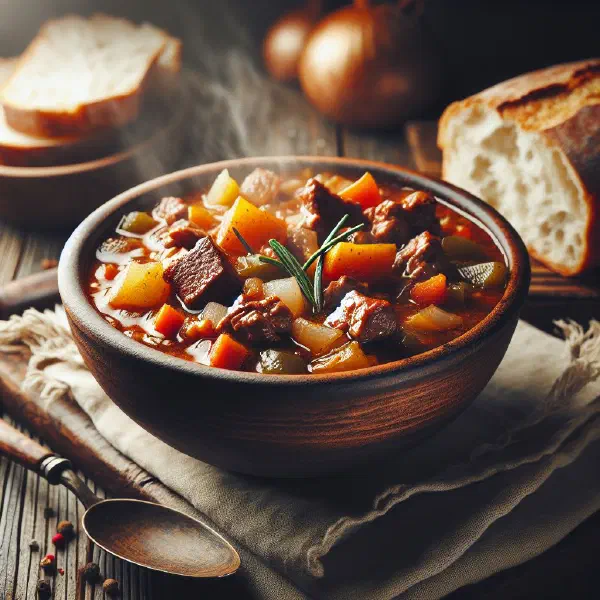
The presentation of Bosanski Lonac can enrich the whole dining experience. Serve the stew in rustic clay pots or wooden bowls for a more traditional look. Decorated with fresh herbs, the dish looks inviting and offers an extra layer of fragrance. An appealing presentation heightens the pleasure and turns the meal into a special occasion.
A bit of history
Bosanski Lonac has a long tradition and looks back on a history that reaches into the rural regions of Bosnia. The dish was often prepared during the cold winter months, being nourishing, filling and ideal for large families. Every family has its own secrets and variations, passed down from one generation to the next. That is what makes each pot unique and creates a deeper connection to the culture of Bosnian cuisine.
More recipe ideas
Summary: Bosanski Lonac
Bosanski Lonac is a wonderful example of the variety and rich flavours of Bosnian cuisine. With fresh ingredients and a simple preparation, this dish is ideal for sociable occasions and family meals. Bosanski Lonac has something for everyone. Discover the tradition and variety of every preparation and let yourself be tempted by its hearty flavours.