National Dish Botswana: Bojalwa jwa Setswana (Recipe)
In this article
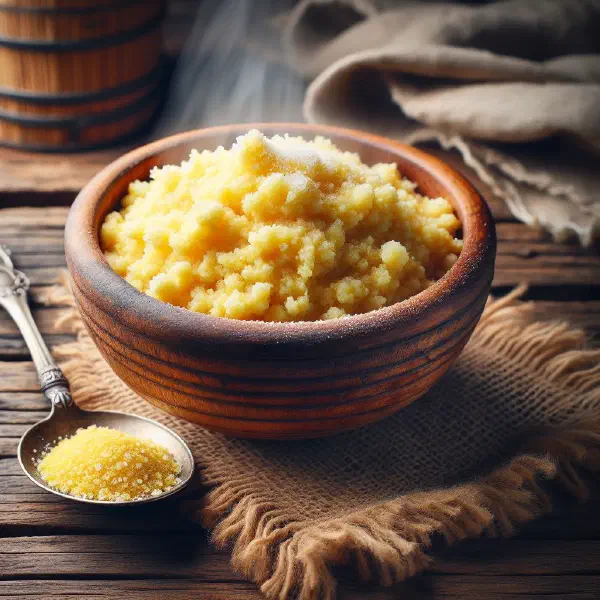
Meet Bojalwa jwa Setswana, one of Botswana’s most comforting staples. This creamy maize porridge, widely known across southern Africa as pap, is as nourishing as it is versatile, slipping easily into the role of a hearty side or a meal in its own right. Paired with slow-cooked meat or a pile of fresh vegetables, it carries the warm, unfussy flavours of Botswana’s home kitchens straight to your table.
About Bojalwa jwa Setswana
Bojalwa jwa Setswana is a traditional dish from Botswana that is recognised well beyond the country’s borders. At its heart is a delicious maize porridge, also known as pap, prized for being both nourishing and endlessly adaptable. Its versatility is what makes it so beloved: it works equally well as a side dish or as the centrepiece of a meal. Combined with different meat dishes or vegetables, Bojalwa jwa Setswana comes into its own and reflects the rich culinary traditions of Botswana.
Ingredients (serves 1–2)
- 1 cup maize meal
- 4 cups water
- 1 pinch of salt
- Optional: meat or vegetables, to serve
Shopping for the ingredients
Choosing a good-quality maize meal is the surest way to get the best flavour. Have a look at local markets or grocers that specialise in African produce, where you will often also find fresh spices and ingredients that lift the dish further. Be sure to pick up some fresh vegetables or meat for the accompaniment too, so you can put together a balanced and satisfying meal.
Preparing the dish
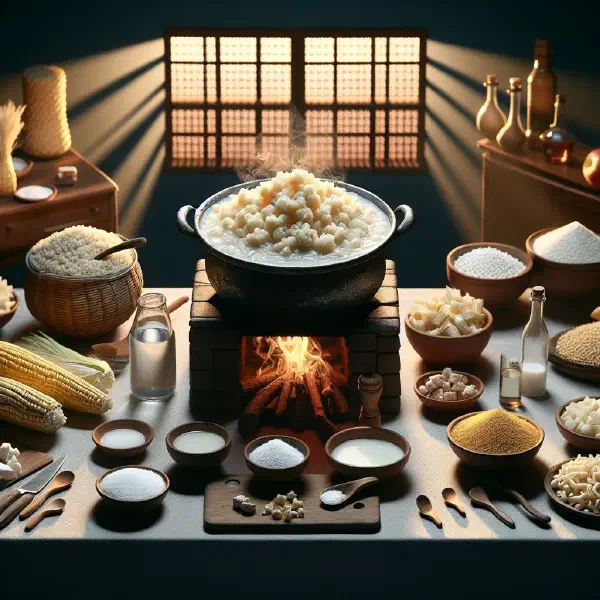
Preparing Bojalwa jwa Setswana is straightforward and takes only a few steps. Begin by bringing the water to the boil in a large pan. Add a pinch of salt to give the porridge more flavour. While the water heats, get the maize meal ready by stirring it together with a little cold water in a bowl. This simple step stops lumps from forming, so the porridge turns out beautifully creamy.
Step-by-step instructions
- Bring 4 cups of water to the boil in a large pan.
- Add the salt and stir it through well.
- In a separate bowl, mix the maize meal with a small amount of cold water until you have a smooth paste.
- Pour the maize mixture slowly into the boiling water, stirring constantly.
- Reduce the heat and let the porridge simmer for about 15–20 minutes, until it is thick.
- Serve the porridge warm with your favourite meat or vegetables.
Gluten-free / lactose-free version
Bojalwa jwa Setswana is naturally gluten-free, as it is made mainly from maize meal, which makes it an excellent choice for anyone with a gluten intolerance. It contains no lactose either, so it suits those who are lactose intolerant just as well. Stick to fresh ingredients to keep the meal wholesome and friendly to a range of dietary needs.
Tips for vegans and vegetarians
Adapting Bojalwa jwa Setswana for vegans and vegetarians could not be easier. Rather than serving it with meat, pair the porridge with a generous mix of vegetables such as spinach, carrots or broccoli. These add flavour and bring extra nutrients to the plate. Experiment with different spices and herbs to make the dish even more moreish. A bowl of Wild Spinach alongside makes a lovely plant-based partner.
More tips and tricks
A few simple tricks will help you make Bojalwa jwa Setswana even better. Try letting the porridge simmer a little longer to achieve a softer, silkier texture. A splash of oil or a knob of butter stirred in at the end of cooking also helps deepen the flavour. Feel free to let your creativity run and fold in your own favourite touches to refine the dish.
Adapting the recipe to your taste
Bojalwa jwa Setswana is easy to tailor to personal preference. If you enjoy bolder, spicier flavours, add chilli or other hot spices. For a sweeter version, stir in a pinch of sugar or a drizzle of honey. These little adjustments enrich the basic recipe and give you room to be playful and discover new flavours of your own.
Ingredient substitutions
If you cannot get hold of maize meal, other flours can step in, though they will change the texture and flavour somewhat. Polenta is a good alternative that gives a similar consistency, much like the grain base of Sorghum Porridge. For a lighter, healthier take, you could also try quinoa or rice flour. Each of these substitutes will noticeably shape the character of the finished dish.
Drink pairing ideas
A range of drinks works well alongside Bojalwa jwa Setswana and complements its gentle flavour. Beer or a fruity lemonade pair nicely with the meal, while a cup of African tea makes a refreshing choice that rounds off the experience. As a rule, keep the drinks light and refreshing to set off the hearty, savoury notes of the food.
Serving and presentation ideas
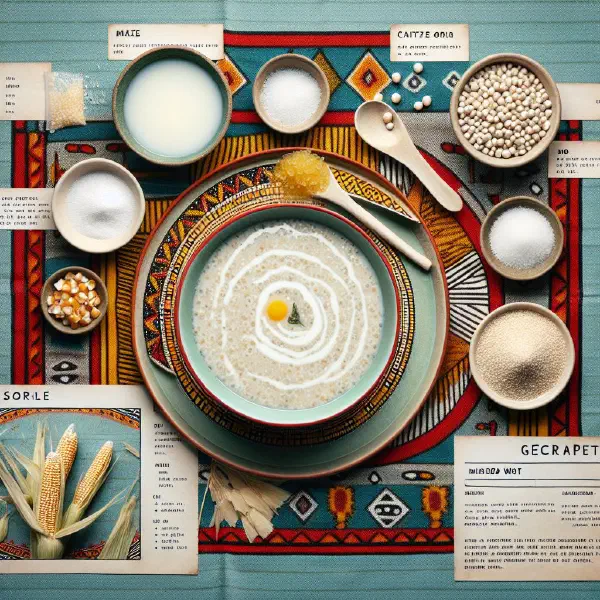
Thoughtful presentation can make this meal even more inviting. Serve the porridge in a decorative bowl, perhaps topped with a sprig of fresh herbs. Arranging the vegetables or accompaniments neatly on the plate helps their colours shine. An appealing presentation makes the food look good and builds anticipation for that first spoonful.
A bit of history
The story of Bojalwa jwa Setswana is deeply rooted in the cultural identity of Botswana. The dish has been prepared in various forms for generations and is a symbol of togetherness and family tradition. Making it is often a shared, communal affair, with family members gathering to cook and enjoy the meal together. These customs are handed down from one generation to the next and remain an important part of the country’s heritage and its wider Botswana cuisine.
More recipe ideas
Summary: Bojalwa jwa Setswana
Bojalwa jwa Setswana is more than just a dish; it embodies the cultural roots and the culinary heart of Botswana. With its simple preparation and its readiness to be adapted, anyone can recreate this authentic flavour at home. Bojalwa jwa Setswana invites you to give in to the varied flavours of Africa. Enjoy it at your next opportunity and discover the delicious traditions it holds.