National Dish Botswana: Chibuku Bread (Recipe)
In this article
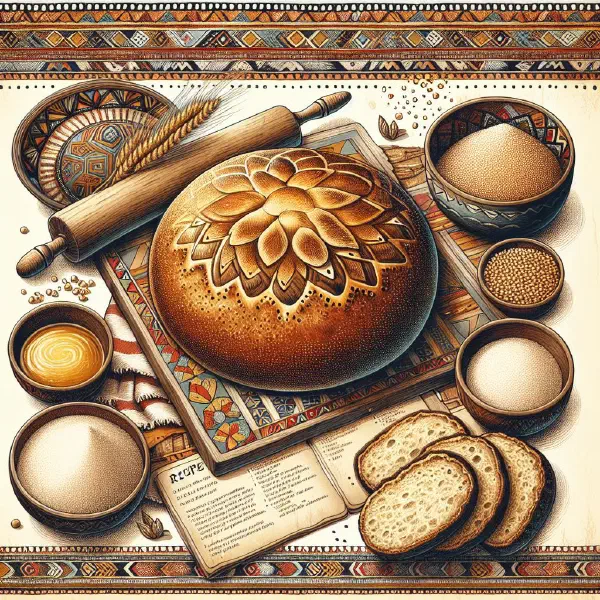
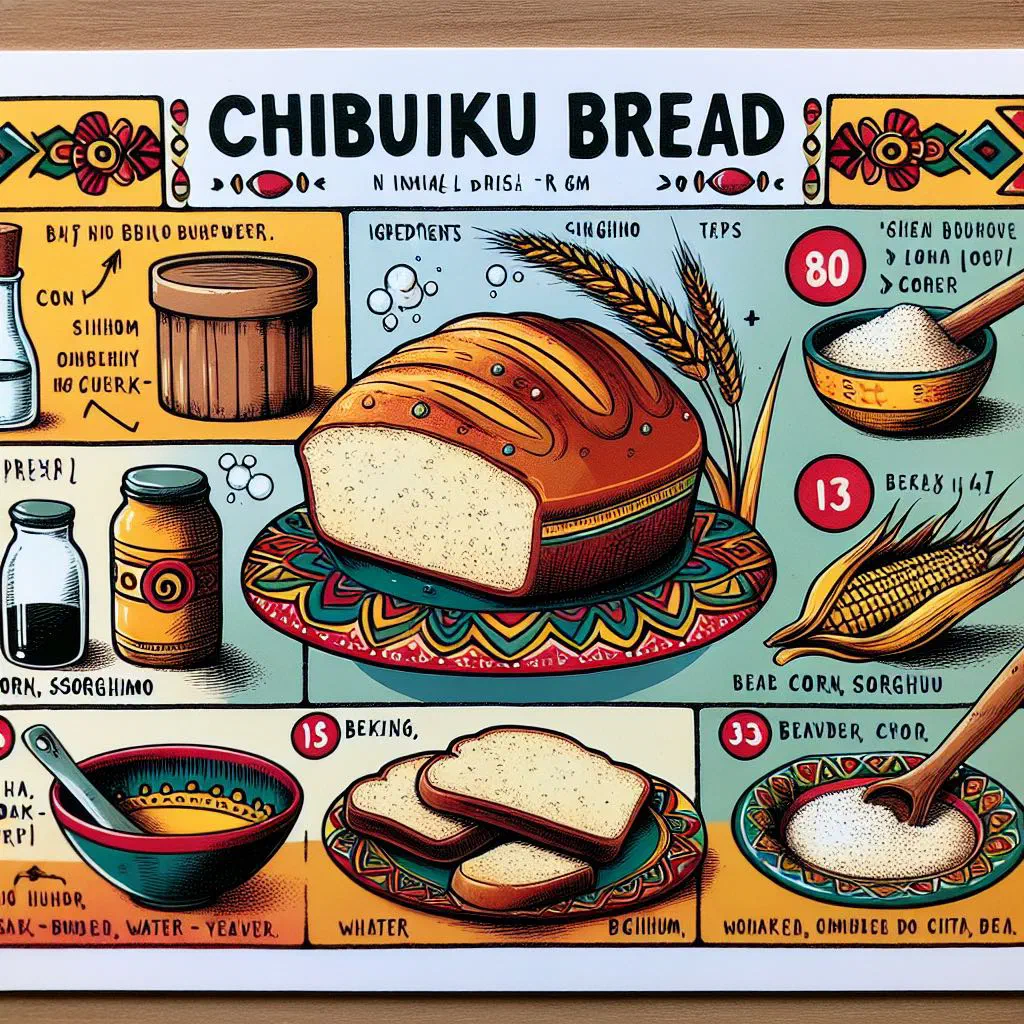
Say hello to Chibuku Bread, a nourishing loaf that sits close to the heart of Botswana’s food culture. Made from fermented maize meal, it is a humble yet satisfying staple that families and neighbours love to share. More than a simple bake, it carries a spirit of community and warmth, filling the kitchen with a gently tangy, savoury aroma. Straightforward to make and deeply comforting, it offers a genuine taste of southern Africa.
About Chibuku Bread
Chibuku Bread is a distinctive loaf that plays a central role in the culture of Botswana. Made from fermented maize meal, it is a nourishing staple that is often shared among family and friends. Preparing chibuku is a culinary experience and a social act that brings people together. Thanks to its savoury aroma and its uncomplicated method, this bread has won plenty of hearts, and it belongs to a proud tradition of home-baked Botswana cuisine.
Ingredients (serves 1–2)
- 2 cups maize meal
- 4 cups water
- 1 teaspoon salt
- 1 teaspoon sugar
- A little yeast (optional)
Shopping for the ingredients
The ingredients for chibuku bread are widely available and can be found in most supermarkets or at local markets. Be sure to buy fresh maize meal to guarantee the full flavour and texture of the loaf. Some markets even stock locally produced maize meal, which only adds to the authenticity of the dish. For the best result, choose ingredients that are of high quality wherever you can.
Preparing the dish
To make chibuku bread, it is important to get the ingredients ready with a little care. Measure the maize meal and the water accurately so you reach the right consistency. Adding yeast is optional, but it can help give the bread a better texture. Leave the maize meal and the liquid to ferment for a few hours, which intensifies the flavours and makes the loaf even more nourishing.
Step-by-step instructions
- In a large bowl, combine the maize meal and the water.
- Optionally, add the yeast along with the salt and sugar.
- Stir the mixture well and leave it to ferment in a warm place for 1–2 hours.
- Pour the batter into a greased baking tin and bake at 180°C for 30–40 minutes.
- Once baked, turn the bread out of the tin and leave it to cool on a wire rack.
Gluten-free / lactose-free version
Chibuku bread can also be made in a gluten-free and lactose-free version. Swap the maize meal for a gluten-free flour such as rice or buckwheat flour to achieve a similar texture. Leaving out any animal ingredients makes it an everyday option for many people with food intolerances. These adjustments keep the traditional recipe versatile and accessible to all, much like the naturally wholesome Sorghum Porridge.
Tips for vegans and vegetarians
Chibuku bread is naturally vegan and vegetarian, as long as no animal products are added. To boost the nutritional value, you can fold in plant-based extras such as nuts or seeds. This lifts the flavour and the nourishing qualities of the loaf. Always reach for natural ingredients so you make the most of everything the dish has to offer.
More tips and tricks
To bake the perfect chibuku bread, be sure not to skip the fermenting stage. This phase is crucial for developing both flavour and texture. Keep an eye on the baking time and temperature too, since every oven behaves a little differently. With a bit of practice the result gets better and better, and the bread takes on its characteristic taste.
Adapting the recipe to your taste
The chibuku bread recipe leaves plenty of room for creative tweaks. Experiment with different spices or herbs to give the loaf your own personal touch. You can also adjust the sweetness, depending on whether you prefer it more savoury or a little sweeter. These changes help you create a unique loaf that suits your own tastes, in the same spirit as the versatile Millet Bread.
Ingredient substitutions
If you do not have any yeast to hand, the bread can be made without it, though it will turn out denser. You can also try other flour types in place of maize meal, such as millet or sorghum flour, to vary the flavour, as you would when making Ting. Be creative with the ingredients to discover which combinations you enjoy most. This flexibility makes the recipe all the more exciting and approachable.
Drink pairing ideas
Chibuku bread pairs beautifully with traditional drinks. These include African teas as well as fermented drinks such as the local chibuku, a kind of beer brewed from maize, much like the home-brewed Bojalwa Jwa Setswana. Such drinks complement the flavours of the bread perfectly. Fresh fruit juices or simply a glass of still water also make lovely companions and round off the tasting experience.
Serving and presentation ideas
Plating chibuku bread thoughtfully can heighten the pleasure of eating it. Serve it on a rustic wooden board, for example, and garnish it with fresh herbs. Offering dips or sauces alongside can lift the dish even further. An appealing presentation not only makes the meal tastier but is also a feast for the eyes of your guests.
A bit of history
The origins of chibuku bread reach deep into traditional African food culture. It is often made in large batches and carries a symbolic meaning that goes beyond the food itself. Chibuku is an expression of community and hospitality, where sharing food and drink strengthens the social bonds within society. This deeply rooted tradition makes the bread an essential part of Botswana’s cultural identity.
More recipe ideas
Summary: Chibuku Bread
Chibuku bread is a nourishing and traditional dish from Botswana, prepared with love and a sense of community. Its simple method and the scope for adaptation make it a versatile recipe that anyone can shape to their own taste. By using fresh ingredients and respecting the preparation techniques, you allow the full flavours to shine through. Enjoy a slice of African food culture and let chibuku bread win you over.