National Dish Botswana: Kapenta with Sadza (Recipe)
In this article
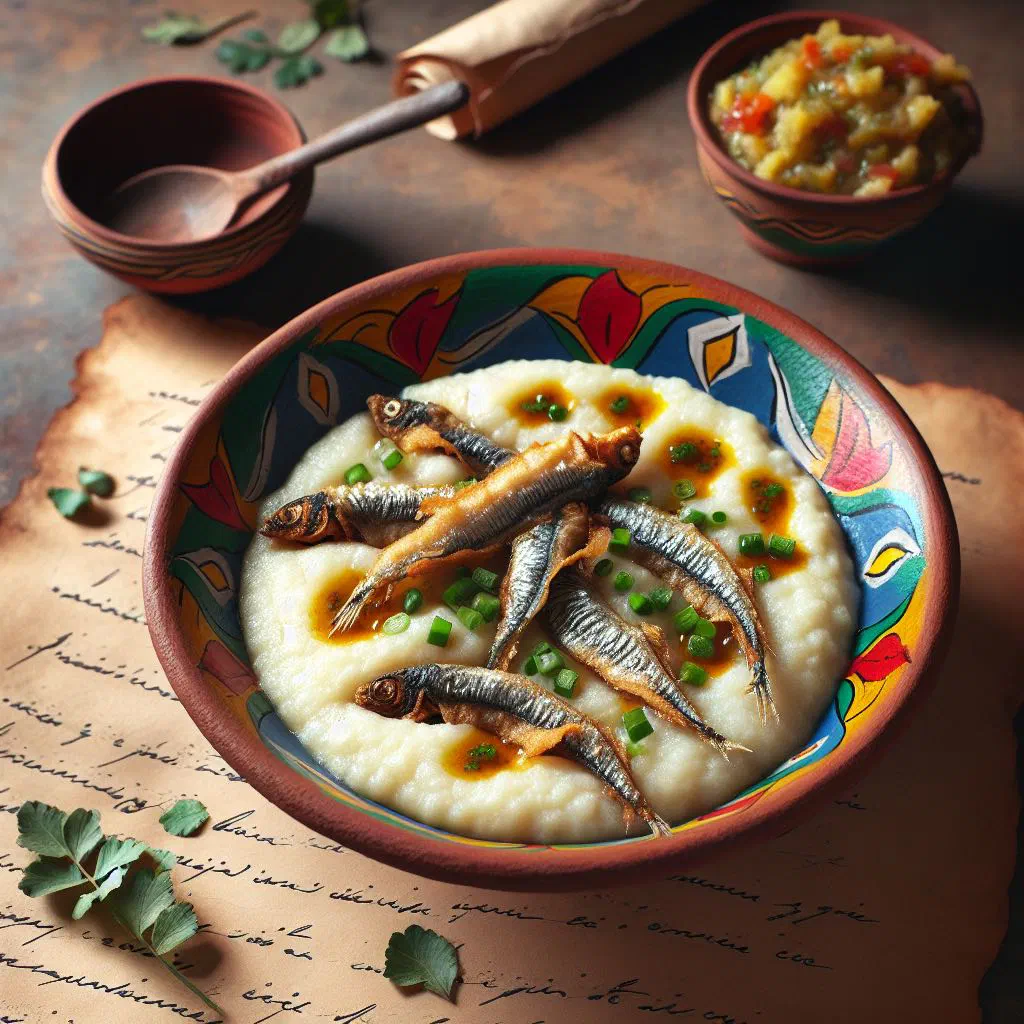
Say hello to Kapenta with Sadza, a comforting plate that sits at the heart of Botswana’s home cooking. Tiny dried fish are fried until crisp and piled onto a soft mound of maize porridge, giving you a meal that is humble, filling and full of character. It is proof that a handful of simple ingredients can carry the whole spirit of a country’s kitchen. Bring a taste of Southern Africa to your own table with this satisfying classic.
About Kapenta with Sadza
Kapenta with Sadza is a traditional dish from Botswana that appeals to the palate while reflecting the culture of the country. Kapenta are small, dried fish caught throughout the lakes and rivers of Africa, prized for their high protein content. Sadza, on the other hand, is a creamy porridge made from maize meal and counts as a staple food across many African nations. Together they bring simple ingredients and the very essence of African cooking onto one plate, in the same wholesome spirit as a comforting bowl of Sorghum Porridge.
Ingredients (serves 1–2)
- 100 g kapenta (dried fish)
- 250 g maize meal
- 750 ml water
- Salt to taste
- Pepper to taste
- 2 tablespoons oil (optional)
Shopping for the ingredients
When shopping for the ingredients for kapenta with sadza, it is worth choosing fresh, good-quality kapenta. These are often found in African grocery shops or online. Maize meal is stocked by most supermarkets, either in the international aisle or the gluten-free section. Pay attention to the quality of your seasonings, such as salt and pepper, to draw the best possible flavour out of the dish.
Preparing the dish
Preparing the dish is straightforward and takes only a few steps. First, the kapenta should be rinsed thoroughly to remove any excess salt or grit. While that is done, bring the water to the boil in a pan ready for the sadza. Set out a bowl too, so you can season the drained kapenta on the side, which lifts the flavour of the finished dish considerably.
Step-by-step instructions
- Rinse the kapenta thoroughly under running water and leave to drain.
- Bring the water to the boil in a large pan.
- Add the maize meal slowly, stirring well to avoid any lumps forming.
- Cook the sadza over medium heat for about 20 minutes, stirring occasionally.
- Fry the kapenta in a pan with oil until crisp.
- Spoon the finished sadza onto a plate and arrange the kapenta on top.
Gluten-free / lactose-free version
For a gluten-free version you can use alternative gluten-free flours in place of maize meal. Rice or buckwheat flour both make excellent substitutes. There is no lactose in this dish as long as you use plant-based oils, so simply make sure that every ingredient you reach for is free from gluten and lactose to enjoy a safe and tasty meal.
Tips for vegans and vegetarians
For vegans and vegetarians, the kapenta can be swapped for fried vegetables or cubes of tofu to achieve a similar eating experience. Take care to adjust the seasonings well so the dish stays flavoursome even without fish. Sadza offers an excellent base that pairs happily with all kinds of vegetable dishes, much like the peanut-rich Spinach with Peanuts. With creative plant oils and spices you can vary the aromas in countless ways.
More tips and tricks
To refine the dish, you can add fresh herbs such as coriander or parsley. These bring extra flavour and colour to the plate. Experiment with different spices to tailor the dish to your personal taste. Make the most of seasonal ingredients to keep your kapenta and sadza fresh and exciting each time you cook it.
Adapting the recipe to your taste
Everyone has different preferences when it comes to food, so it is well worth adjusting the recipe to suit your own. Would you like it hotter? Add a little chilli. Prefer it milder? Simply leave out the sharper spices. This flexibility makes kapenta with sadza a versatile dish that finds a place in any kitchen, whatever your personal taste.
Ingredient substitutions
If you do not care for kapenta, or cannot find it, sardines or other small fish make a good alternative, much as they would in a hearty Dried Fish Stew. When making the sadza, choose a different flour such as millet or rice meal to explore new flavours. Experiment with different oils too, to bring your own signature to the dish. Many cooks create wonderful contrasts by serving passion fruit or mango on the side.
Drink pairing ideas
A range of drinks pairs well with kapenta with sadza and rounds out the meal beautifully. A cool lager brings a refreshing note to the table, while a fruity smoothie softens the flavours. For an alcohol-free option you might serve fruit juices or sparkling water to harmonise the whole combination. These drinks are not only refreshing but enrich the overall eating experience.
Serving and presentation ideas
The presentation of kapenta with sadza can lift the culinary experience considerably. Serve the dish on a large plate and garnish with fresh herbs to add colour and texture. Use small bowls for the individual sides to give the meal variety. You can also arrange colourful pieces of vegetable to create an inviting picture on the plate.
A bit of history
The history of kapenta with sadza is rooted deep in the culture of Botswana. Sadza has been valued as a staple for generations and is a symbol of African food culture. Kapenta has a long tradition of its own and is often caught by fishing families out on the water. This dish tells not only of its ingredients but of a cooking heritage and the shared, sociable meals that bring people together, a cornerstone of Botswana cuisine.
More recipe ideas
Summary: Kapenta with Sadza
Kapenta with sadza is a culinary experience that captures the flavours of Botswana perfectly. With its hearty ingredients and easy preparation, it is ideal for anyone looking to enrich their cooking with African specialities. The many possible variations let you shape the dish to your own preferences. Let its delicious aromas inspire you and enjoy the cultural roots to be found on every plate.