National Dish Botswana: Serobe (Recipe)
In this article
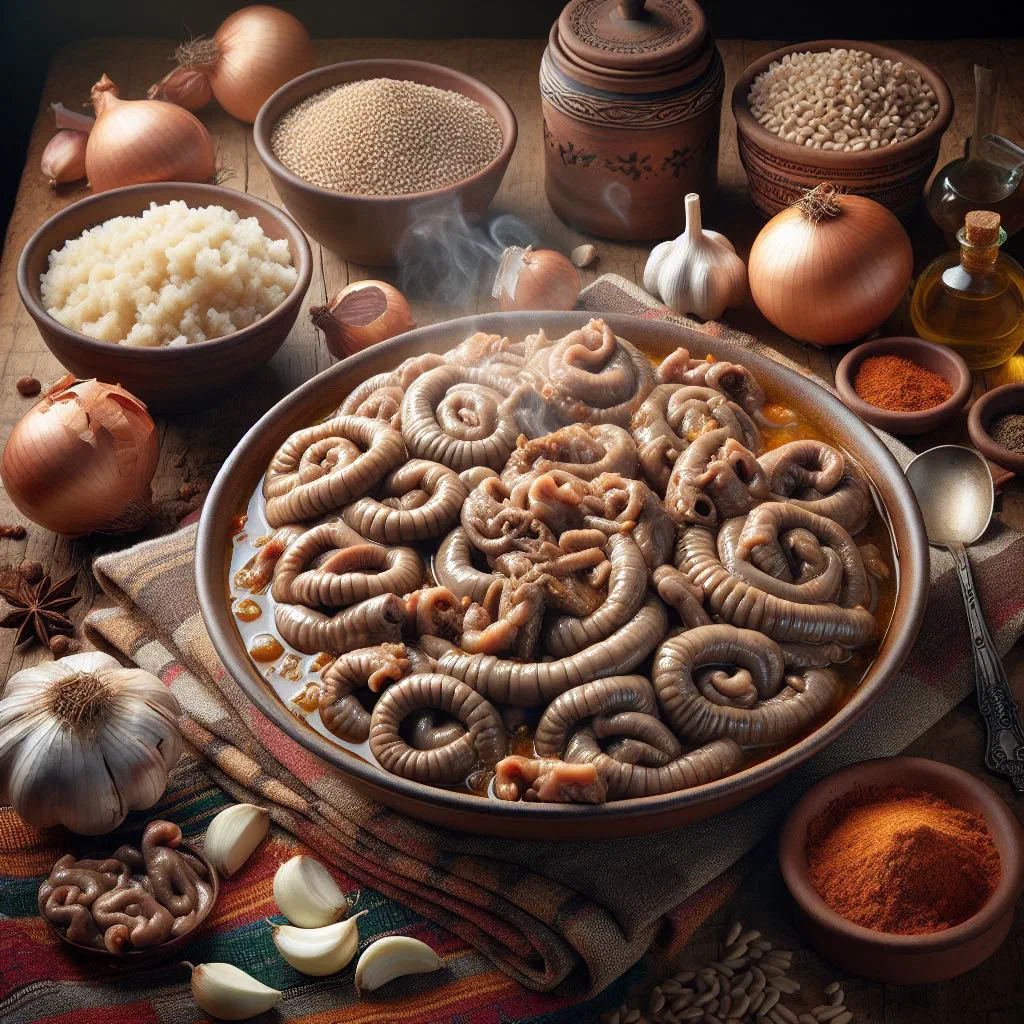
Discover Serobe, one of Botswana’s most cherished traditional dishes. This hearty stew makes the most of tender offal, liver, heart and lung, gently simmered with onion, garlic and warming spices. Served with soft maize porridge, it is honest, deeply flavoured comfort food that speaks to a way of cooking where nothing goes to waste. More than a meal, Serobe is a dish that brings families and friends together around the table.
About Serobe
Serobe is a traditional national dish of Botswana, made from a mix of offal including liver, heart and lung. This robust, hearty preparation reflects the country’s cultural richness and the community’s deep respect for using the whole animal. It is most often served with maize porridge, which makes the perfect partner to the savoury stew. Cooking Serobe is a culinary tradition and a social occasion, one that draws families and friends together.
Ingredients (serves 1–2)
- 200 g offal (e.g. liver, heart, lung)
- 1 large onion, diced
- 2 cloves garlic, chopped
- 1 teaspoon paprika
- 1 teaspoon cumin
- 2–3 tablespoons oil
- Salt and pepper, to taste
- To serve: maize porridge (pap)
Shopping for the ingredients
When shopping for the ingredients for Serobe, pay close attention to the quality of the offal, as it is crucial to the flavour of the finished dish. Visit local markets or butchers who specialise in fresh offal. Onions, garlic and spices are easy to find in most supermarkets. If you are after specific spices such as cumin, an ethnic grocery can be a good place to look.
Preparing the dish
To prepare Serobe at its best, clean the offal thoroughly and cut it into even pieces. Marinate the offal in the spices for at least an hour to intensify the flavour. Meanwhile, get the onions and garlic ready by chopping them finely. It is well worth taking your time over the preparation, so that the dish cooks evenly and comes together smoothly.
Step-by-step instructions
- Heat the oil in a pan and add the onions. Fry until translucent.
- Add the garlic and cook briefly until fragrant.
- Add the marinated offal to the pan and fry until thoroughly cooked through.
- Season with paprika, cumin, salt and pepper to taste.
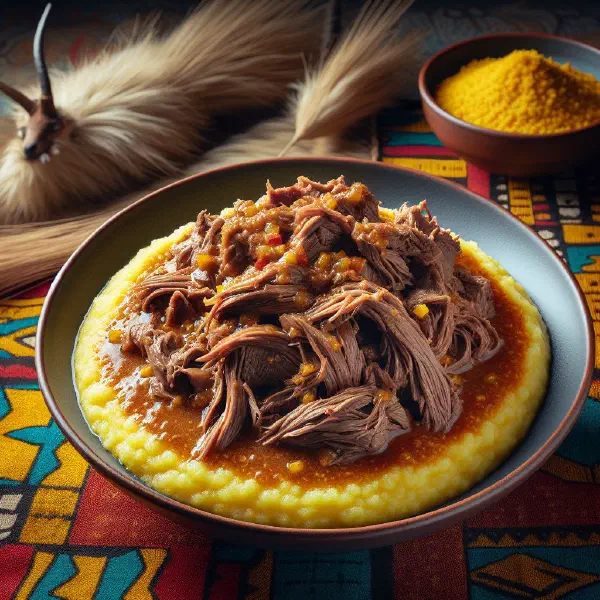
- Serve the Serobe hot, alongside freshly made maize porridge.
Gluten-free / lactose-free version
Serobe is naturally gluten-free and lactose-free, since it uses only fresh offal and spices. Do take care, however, that the accompaniment, especially the maize porridge, contains no gluten-based ingredients. Prepare the porridge following traditional recipes to make sure it stays free from allergens. That way, anyone with a dairy or gluten intolerance can enjoy this delicious dish too.
Tips for vegans and vegetarians
Serobe is a dish that does not lend itself easily to a vegan or vegetarian diet, as it is built around offal. For a plant-based alternative, you could instead make a hearty vegetable dish using similar spices, with a mix of pulses standing in for the meat. A combination of lentils and spices makes a tasty and nourishing option. This lets you enjoy the flavours of Serobe without any animal products, much as you might in a comforting Lentil Curry.
More tips and tricks
To get the most out of Serobe’s flavour, try different spices and herbs to add a personal touch. Experiment with chilli for a little heat, or fresh herbs such as coriander for extra freshness. Slow-cooking the offal can also deepen the flavours and make the dish even more savoury. Plating up with fresh vegetable sides improves the presentation and lends the dish more colour and taste.
Adapting the recipe to your taste
Serobe is easy to adapt to personal preference. If you are not keen on offal, for example, you can use chicken or beef to create a less traditional but equally tasty version. The spice mix can also be intensified or toned down to suit your palate. It is well worth trying different combinations to find the perfect balance for your own taste, much as you would with a rich Goat Stew.
Ingredient substitutions
If you cannot find certain ingredients, or simply prefer something else, there are plenty of alternatives to hand. In place of offal, you might try vegetarian alternatives or tofu to achieve a similar texture. For the maize porridge, you could also use quinoa or millet for a gluten-free side. Be creative and use what you have available to put together a delicious dish, perhaps borrowing ideas from a comforting Groundnut Stew.
Drink pairing ideas
A range of drinks pairs well with Serobe, depending on your taste. A cool, light beer balances the flavours of the dish beautifully. For a non-alcoholic option, sweet grape juice or a lemony lemonade provides a refreshing contrast. If you would like to serve a more elegant dinner, a fruity red wine could be the perfect finishing touch to round off the meal.
Serving and presentation ideas
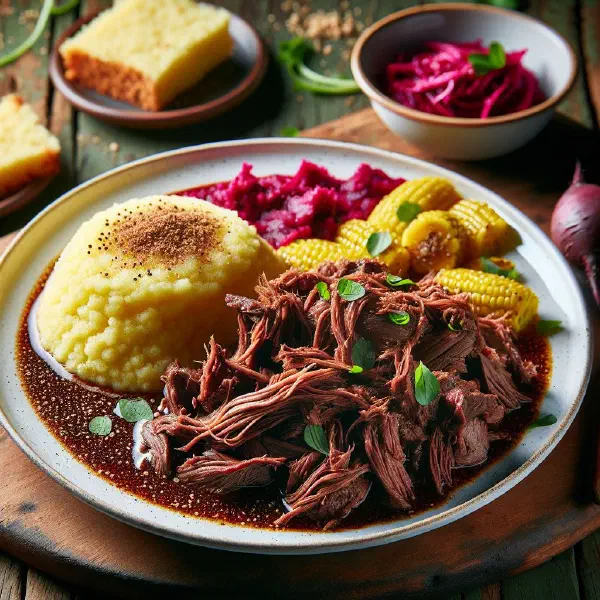
An attractive presentation of Serobe can add greatly to the anticipation of the meal. Serve the dish in a handsome bowl, garnished with fresh herbs such as coriander or parsley. Together with the maize porridge, this makes for a visually inviting spread. Adding colourful vegetables to the plate can lift the dish further and create a welcoming atmosphere.
A bit of history
Serobe has a long tradition in Botswana cuisine and reflects the appreciation of every part of an animal. In many cultures centred on herding, preparing offal is regarded as a mark of respect. It is not merely a dish to fill you up but also a symbol of community and family ties. The preparation is often passed down from generation to generation, making it a meaningful cultural feature at feasts and celebrations across Botswana cuisine.
More recipe ideas
Summary: Serobe
Serobe is more than just a dish; it is a tour through the tradition and culture of Botswana. With its delicious offal, perfectly matched to maize porridge, it offers an authentic taste experience. The preparation fosters community and brings families together, while the history of the dish represents a valuable heritage. Whether at festive occasions or a shared family meal, Serobe is well worth a try.