National Dish Botswana: Seswaa le Bogobe (Recipe)
In this article
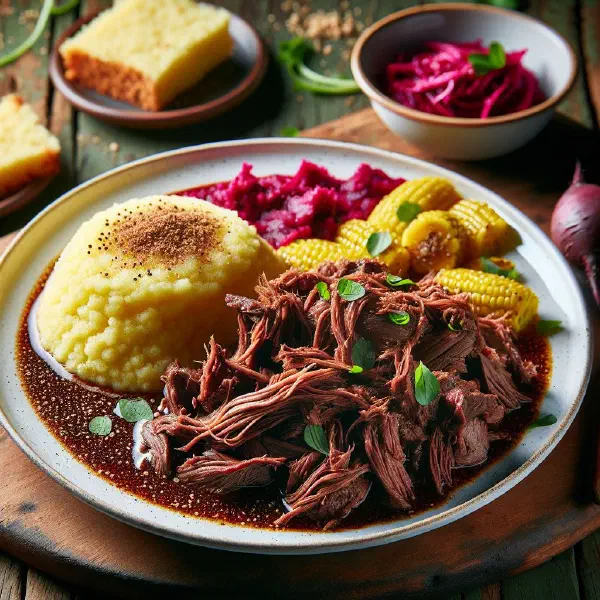
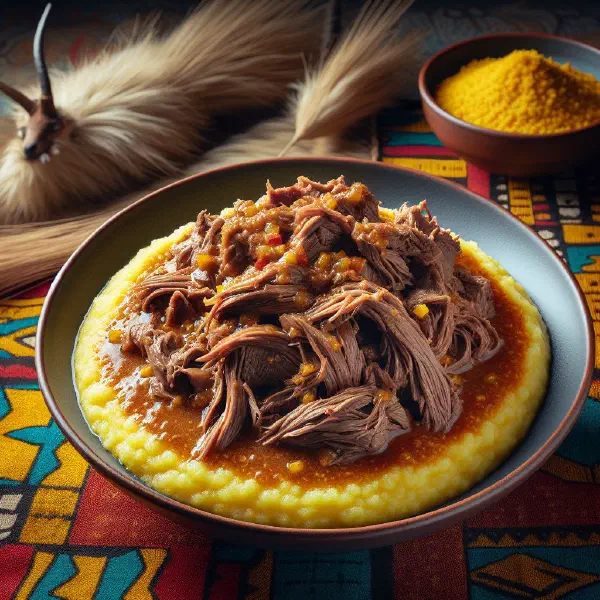
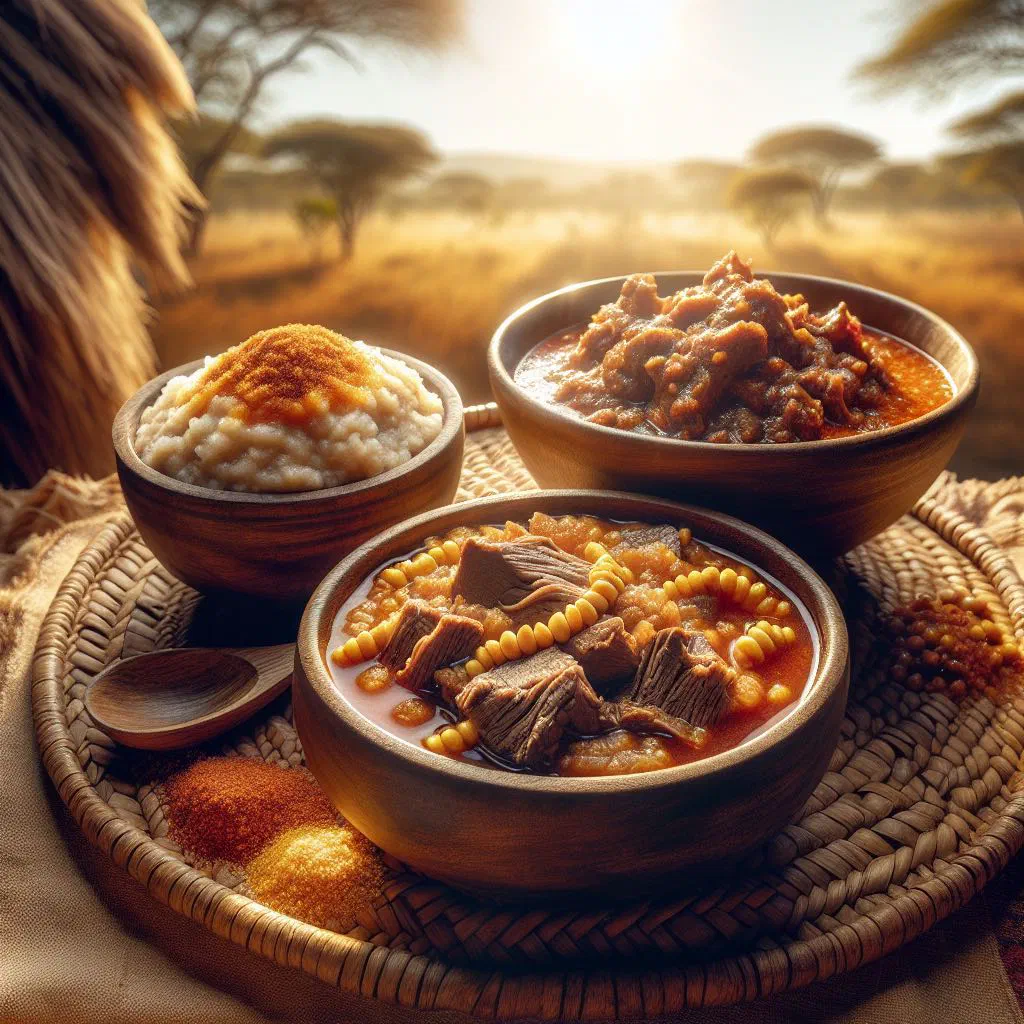
Meet Seswaa le Bogobe, the hearty national dish of Botswana that turns simple ingredients into something truly special. Tender meat is simmered low and slow until it falls apart, then served with bogobe, a comforting maize porridge that soaks up every last bit of flavour. Rooted in generations of tradition, it is the kind of dish that brings people together, a warming plate made for sharing at family gatherings and celebrations alike.
About Seswaa le Bogobe
Seswaa le Bogobe is a traditional national dish of Botswana, celebrated for its rich, savoury character and its slow-braised flavours. The dish pairs tender meat, usually beef or goat, that is cooked for hours until it releases its full depth of taste, with bogobe, a filling maize porridge that complements the meat beautifully. It is both nourishing and deeply satisfying, reflecting the rich culture of Botswana and making it a natural choice for convivial occasions.
Ingredients (serves 1–2)
- 500g beef or goat meat
- 1 onion, diced
- 2 cloves garlic, chopped
- 1 teaspoon salt
- 1 teaspoon black pepper
- 300ml water or stock
- 200g maize meal
- 500ml water (for the bogobe)
Shopping for the ingredients
When shopping for the ingredients for Seswaa le Bogobe, it pays to pay close attention to the quality of the meat. Fresh, good-quality beef or goat is essential to the flavour of this dish. Visit local markets or a trusted butcher to find the best cuts. The same applies to the other ingredients, reach for fresh, top-quality produce to guarantee an authentic taste. Much like a good Beef Seswaa, the finished result is only ever as good as what goes into the pot.
Preparing the dish
To prepare Seswaa le Bogobe, start by cutting the meat into smaller pieces. This encourages even cooking and makes the dish easier to eat. Next, prepare the onion and garlic by dicing and chopping them. Have all your ingredients ready before the cooking begins, so the whole process runs smoothly from start to finish.
Step-by-step instructions
- Brown the meat in a large pot together with the onions and garlic until golden.
- Add the salt, pepper and the water or stock, then bring to the boil.
- Reduce the heat and let the meat braise, covered, for around 2–3 hours until tender.
- Meanwhile, bring the water for the bogobe to the boil and slowly rain in the maize meal, stirring constantly to avoid lumps.
- Cook the bogobe for about 15 minutes, until it reaches the consistency you want.
- Shred the cooked meat and serve it alongside the bogobe.
Gluten-free / lactose-free version
Making Seswaa le Bogobe gluten-free and lactose-free is refreshingly straightforward. The dish takes well to lightly adjusted ingredients that meet these needs. Maize meal, for instance, is naturally gluten-free, which means the bogobe can be prepared without introducing any gluten at all. Just take care to avoid gluten-containing extras such as sauces or seasoning blends, so the dish stays suitable for anyone with a gluten intolerance.
Tips for vegans and vegetarians
Although Seswaa le Bogobe is traditionally made with meat, vegan and vegetarian versions work beautifully too. Instead of meat, reach for protein sources such as lentils, beans or tofu. These are nourishing and complement the flavours of the dish. The bogobe stays exactly the same and can still be served alongside, for a complete and well-balanced plant-based plate, in the spirit of a hearty Groundnut Stew.
More tips and tricks
To get the very best from Seswaa le Bogobe, a few pointers are worth keeping in mind. A long cooking time is key to tender meat and deeply developed flavours. Use fresh herbs and spices to give the dish an outstanding flavour profile, and experiment with regional ingredients to make the experience feel all the more authentic.
Adapting the recipe to your taste
The beauty of Seswaa le Bogobe lies in its versatility. Depending on your own taste, the recipe is easy to adjust. Add extra vegetables or spices, for example, to weave in different flavours. The choice of meat, or opting for a vegan version, also has a big influence on the finished dish. For a lighter twist, try serving it with a bright Green Bean Salad.
Ingredient substitutions
If certain ingredients for Seswaa le Bogobe are not to hand, there are plenty of alternatives. In place of meat you could use a protein such as pulses or seitan. Shallots can stand in for the onions to bring a milder sweetness. Nutrient-rich stocks can be varied too, to build a full, rounded flavour while keeping the base recipe intact.
Drink pairing ideas
A variety of drinks pair well with Seswaa le Bogobe and round out the flavours of the dish. A pleasant, fruity beer complements the savoury notes beautifully, while a refreshing, lightly sweet drink lifts the meal. A traditional option such as Bojalwa Jwa Setswana suits the occasion, and for a non-alcoholic choice, freshly pressed juices or homemade lemonade refresh the palate. These combinations make the whole dining experience all the more enjoyable.
Serving and presentation ideas
Presentation can make a real difference to Seswaa le Bogobe. Serve it in traditional clay pots or on beautifully laid plates to enhance its rustic feel. Garnish with fresh herbs or colourful vegetables to create a bit of visual contrast. Little details like these give the dish an inviting look and add to the pleasure of the meal.
A bit of history
The origins of Seswaa le Bogobe reach back into the traditional culinary practices of Botswana. Once cooked by the Bantu peoples, it was often served on celebratory occasions. To this day the dish remains a symbol of community and togetherness. Preparing and enjoying it encourages fellowship and warm African hospitality, which is what makes it such an essential part of Botswana’s cuisine.
More recipe ideas
Summary: Seswaa le Bogobe
Seswaa le Bogobe is more than just a dish; it is an expression of the cultural identity of Botswana, uniting tradition and flavour in every bite. With its hearty preparation and use of fresh, local ingredients, it reflects the warmth and hospitality of African cooking. Whether at festive occasions or as part of everyday life, this dish brings people together and invites you to savour the delicious flavours of Botswana.