National Dish Brunei: Nasi Kandar (Recipe)
In this article
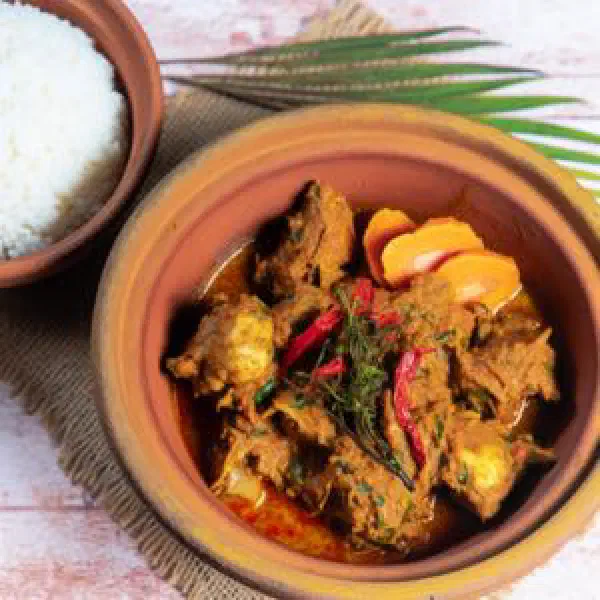
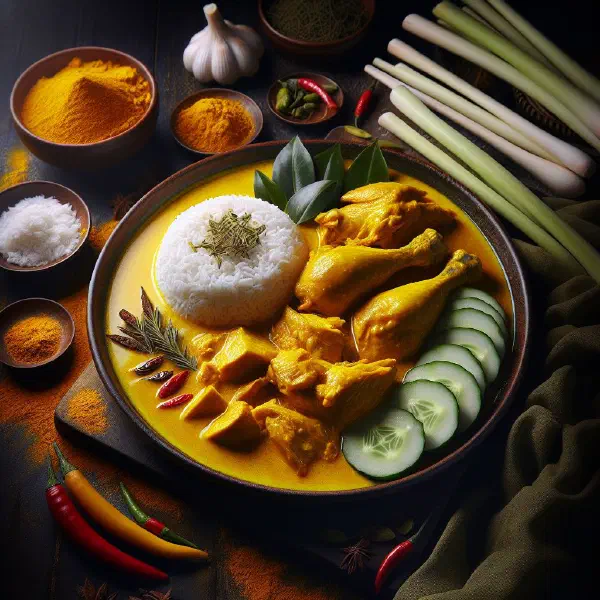
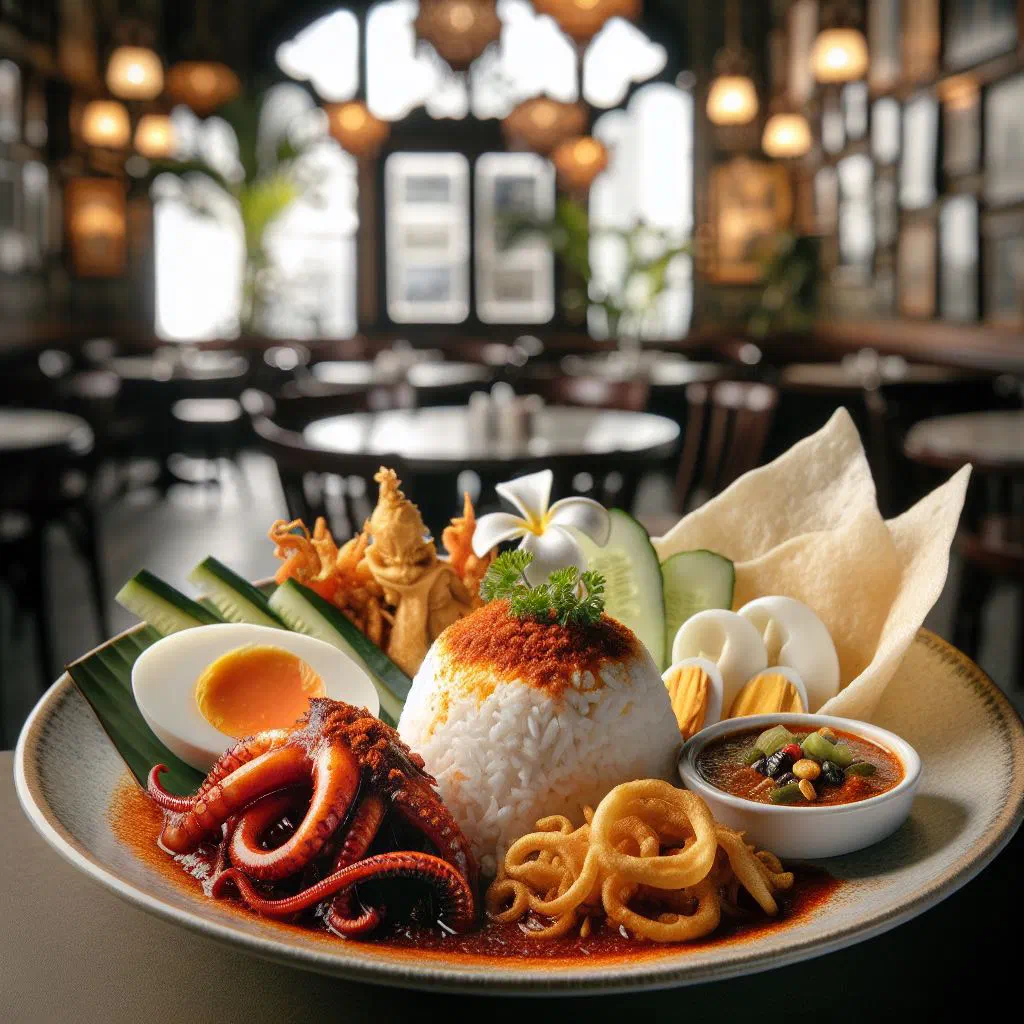
Meet Nasi Kandar, a fragrant plate of rice crowned with an array of rich curries and savoury sides that has become a much-loved fixture of the Southeast Asian table. Brought to the region by Indian Muslim traders, it layers warming spices, creamy coconut and tender protein into a single, deeply satisfying meal. This is comfort food with real character, a taste of Brunei brought straight to your own kitchen.
About Nasi Kandar
Nasi Kandar is a traditional dish from Brunei, defined by its distinctive pairing of fragrant rice with a generous selection of hearty curries and side dishes. Originally introduced by Indian Muslims, it has grown into a symbol of Malaysian and wider Southeast Asian cooking. The dish is especially beloved by food lovers in search of an authentic flavour experience. In Nasi Kandar, the aromas of different spices and ingredients are combined to perfection, delivering a truly memorable culinary experience.
Ingredients (serves 1–2)
- 200 g basmati rice
- 150 g chicken breast or tofu
- 2 tablespoons vegetable oil
- 1 onion, finely chopped
- 2 garlic cloves, pressed
- 300 ml coconut milk
- 1 tablespoon curry paste (red or yellow)
- Vegetables (e.g. beans, carrots)
- Salt and pepper to taste
Shopping for the ingredients
To make Nasi Kandar, you will need a range of fresh ingredients, most of which are available in any well-stocked Asian grocery. Basmati rice is an excellent choice, as it cooks up light and aromatic. Be sure to pick a good-quality curry paste, as this has a considerable influence on the flavour of the finished dish. Fresh vegetables improve the taste and make the meal more nutritious.
Preparing the dish
Preparing Nasi Kandar begins with rinsing the rice to wash away excess starch. This ensures the grains stay beautifully fluffy and separate once cooked. While the rice soaks, you can get on with preparing the vegetables and the protein of your choice. For an authentic result, it is well worth grinding the spices fresh to release their aromatic oils. This little bit of groundwork brings both structure and flavour to the dish.
Step-by-step instructions
- Heat the vegetable oil in a pan and add the chopped onion. Fry until golden brown.
- Add the pressed garlic and fry briefly.
- Stir in the curry paste and cook for 2–3 minutes to release the aromas.
- Add the diced chicken or tofu and fry until cooked through.
- Pour in the coconut milk, bring to the boil, then reduce the heat.
- Simmer the vegetables in the curry sauce for 5–10 minutes, until tender.
- Cook the basmati rice according to the packet instructions.
- Serve the rice with the curry and garnish as you like.
Gluten-free / lactose-free version
Nasi Kandar is easily made gluten-free and lactose-free by using gluten-free sauces and lactose-free milk alternatives. Take care that the spices and curry pastes you choose contain no gluten-based ingredients. Plain coconut milk is generally a good lactose-free option in its own right. These simple adjustments mean that people with particular dietary needs can enjoy the dish just as much as everyone else.
Tips for vegans and vegetarians
Nasi Kandar is a wonderfully adaptable dish that is easy to make suitable for vegans and vegetarians. In place of chicken, you can use vegetables, tofu or seitan cooked in the curry sauce. You might also fold in a variety of vegetables such as green beans or spinach. By choosing plant-based ingredients, the flavour stays intense and the dish remains nourishing and satisfying. It works beautifully alongside a fresh Kerabu herb salad.
More tips and tricks
To get the most out of your Nasi Kandar, experiment with different spices and aromatics. You can adjust the heat of the dish to your own taste by using more or less curry paste. Fresh herbs such as coriander or mint make a lovely garnish, adding extra freshness and colour. Remember that timing plays a big part in the preparation, helping you achieve just the right consistency and the best possible flavour.
Adapting the recipe to your taste
Nasi Kandar is easy to tailor to personal preference, whether in terms of heat, the choice of side dishes or the main protein. Experiment with different vegetables to liven up the plate, or add nuts for a crunchy texture. If you are a fan of seafood, prawns or fish can be worked in as an alternative protein. This kind of adaptability makes the dish perfect for every sort of dining preference, much like a plate of Nasi Lemak.
Ingredient substitutions
If you do not have every ingredient to hand, there are a few handy alternatives you can turn to. Rice can be swapped for quinoa or even cauliflower rice to create a low-carbohydrate version. Instead of coconut milk, you might use almond or oat milk to lighten the dish. The choice of protein is equally flexible, giving you the freedom to vary things according to your own preferences.
Drink pairing ideas
To round off the perfect dining experience, think about which drinks pair well with Nasi Kandar. Refreshing teas such as hibiscus or mango iced tea are an excellent choice, as they complement the spices in the dish. A frothy Teh Tarik is a classic local match. For those who prefer alcohol, a lighter white wine or a fruity Riesling can harmonise nicely, while a lager beer also balances the flavours beautifully.
Serving and presentation ideas
The presentation of a dish can add greatly to the pleasure of eating it. Serve Nasi Kandar in deep, characterful bowls to show off the different colours of the ingredients. Garnish with fresh herbs and perhaps a little red chilli for a splash of colour. Remember to arrange the side dishes attractively too, giving the meal a stylish finishing touch.
A bit of history
The roots of Nasi Kandar can be traced back to the days of the Indian traders who brought their spices and cooking techniques to Southeast Asia. The dish was originally very popular in Malaysia and quickly spread to neighbouring countries. The tradition of assembling the ingredients however you like reflects the culinary diversity of the region and of Brunei cuisine as a whole. Today Nasi Kandar is prized not only in Brunei but across many countries and cultures.
More recipe ideas
Summary: Nasi Kandar
Nasi Kandar is a flavourful, bright dish that brings together the aromas and textures of Southeast Asia in one straightforward recipe. Whether for a special occasion or simply for a tasty evening at home, making this dish delivers the spirit of Brunei directly to your table. Let yourself be swept up by the variety and intensity of its flavours, and savour every bite of this traditional culinary experience. Give it a try and discover the joy to be found in cooking and enjoying this wonderful dish.