National Dish Brunei: Nasi Kuning (Recipe)
In this article
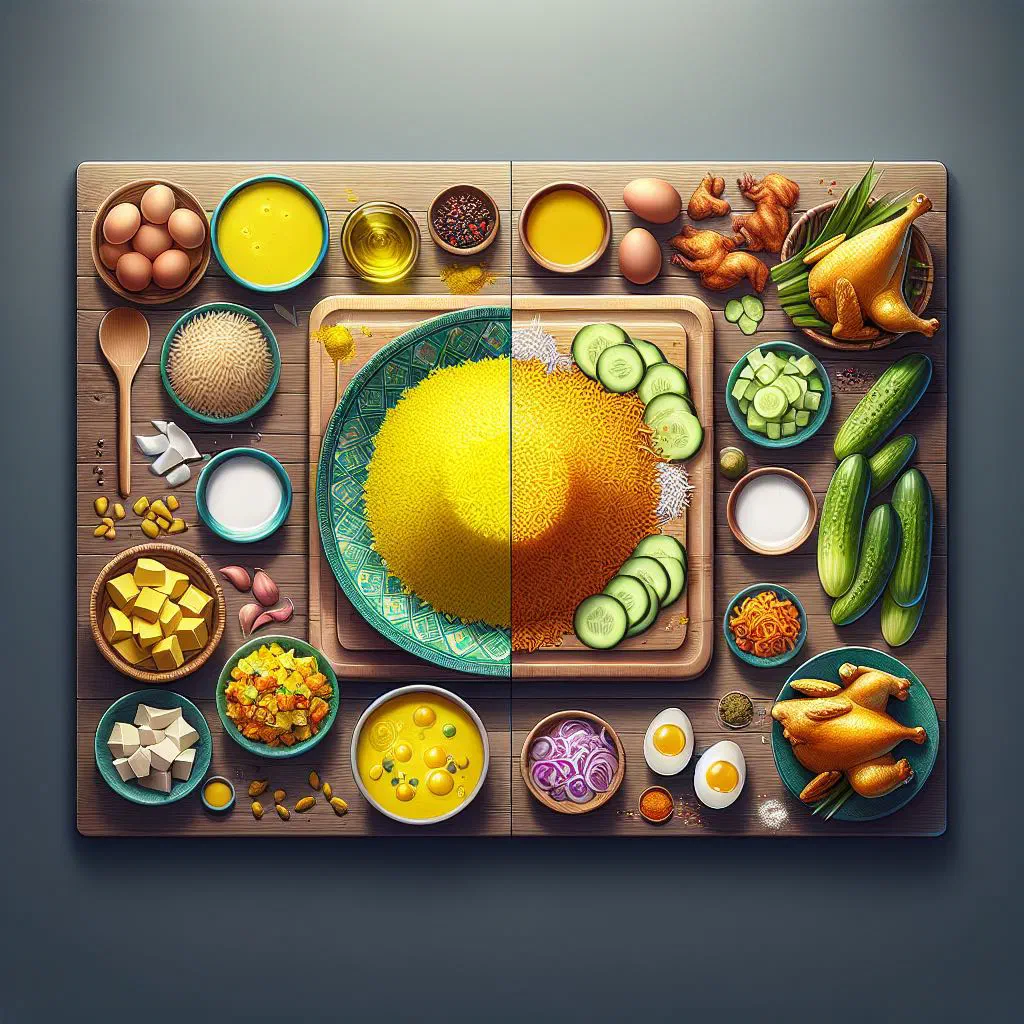
Say hello to Nasi Kuning, the fragrant turmeric rice dish that turns any table into a celebration. Its glowing golden hue and gentle coconut aroma make it a showstopper at festive gatherings across Brunei and the wider region. Paired with grilled chicken, fried fish or crisp vegetables, it is as versatile as it is beautiful. Bring a little Southeast Asian sunshine to your own kitchen with this crowd-pleasing centrepiece.
About Nasi Kuning
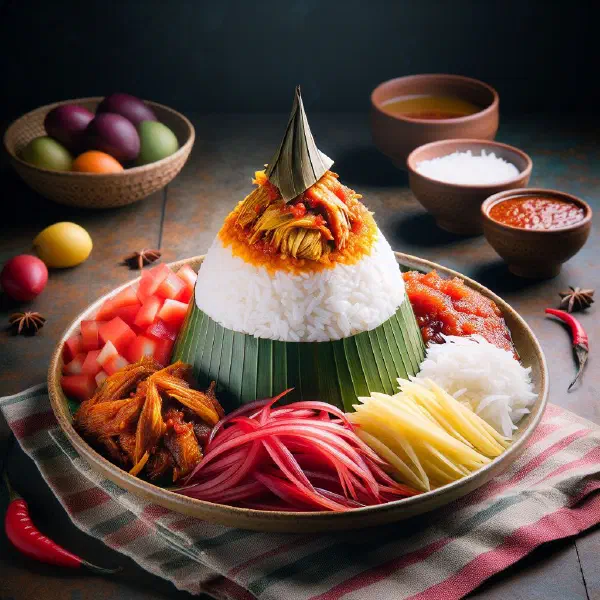
Nasi Kuning is a traditional rice dish much loved in Brunei and across other parts of Southeast Asia. Its vivid yellow colour, achieved with turmeric, makes it as pleasing to the eye as it is to the palate, lending the rice a subtle, distinctive flavour. It is often the centrepiece of festive occasions and celebrations, rounded out with a whole array of accompaniments. Fried fish or fresh vegetables, the variations are almost endless, making Nasi Kuning a true feast.
Ingredients (serves 1–2)
- 1 cup jasmine or basmati rice
- 1 teaspoon turmeric powder
- 1 tin coconut milk (approx. 400 ml)
- 1 pandan leaf (optional)
- 1 teaspoon salt
- Accompaniments of your choice: grilled chicken, fried fish, fresh vegetables
Shopping for the ingredients
To make Nasi Kuning, you will want fresh, good-quality ingredients. Reach for jasmine or basmati rice, as these varieties offer an aromatic flavour and a pleasant texture. The turmeric powder is essential for the dish’s signature colour and taste. It is also worth buying fresh coconut milk to intensify the flavour and give the rice a creamy consistency. Fresh vegetables and fragrant spices round the whole thing off perfectly.
Preparing the dish
Preparing Nasi Kuning is straightforward, though a little planning helps bring out the flavours at their best. Start by soaking the rice for at least 30 minutes to soften the grains. This improves the texture and allows the rice to cook evenly. While the rice soaks, you can prepare and marinate the accompaniments so their flavours have time to develop. Freshly cooked rice served alongside well-prepared sides makes for a wonderfully harmonious meal.
Step-by-step instructions
- Drain the soaked rice and tip it into a pan.
- Add the coconut milk, turmeric powder and the pandan leaf.
- Stir everything well and bring to the boil.
- Reduce the heat and let the rice simmer for 15–20 minutes, until it has absorbed the liquid.
- Take the rice off the heat and leave it to rest for a further 10 minutes.
Gluten-free / lactose-free version
Nasi Kuning is easy to make gluten-free and lactose-free. Simply use a lactose-free coconut milk or another plant-based milk in place of the usual coconut milk. As most of the ingredients are naturally gluten-free, this extra adjustment is a small one. When choosing your accompaniments, look out for gluten-free options so the whole dish stays free from gluten.
Tips for vegans and vegetarians
Nasi Kuning is an extremely adaptable dish that suits vegans and vegetarians beautifully. Instead of meat, you can add fried tofu or vegetables to boost the protein content. Another tasty and wholesome option is fried mushrooms, or a scattering of nuts for extra crunch. These tweaks keep the dish not only delicious but nourishing too. Experiment with different spices to find your own personal touch, much like the flavour play in a Sayur Lodeh.
More tips and tricks
To get your Nasi Kuning just right, keep a few handy tips and tricks in mind. Make sure the rice is well fluffed after cooking so it keeps its ideal texture. A small squeeze of lemon juice can help lift the flavours. If you are cooking for guests, aim for an inviting presentation with fresh herbs and colourful vegetables. This turns the meal into a real feast for the senses and leaves a lasting impression.
Adapting the recipe to your taste
A great advantage of Nasi Kuning is its versatility. You can adjust the ingredients entirely to your own taste. Like things spicier? Add a little chilli to give the dish a warming kick. Or leave out the turmeric and experiment with other spices to create different aromas. Thanks to its flexibility, Nasi Kuning suits every palate, from mild to bold and everything in between.
Ingredient substitutions
If you find yourself missing an ingredient or two, there are excellent alternatives. In place of coconut milk you can use almond milk or another plant-based milk to achieve that creamy effect. A splash of soy sauce can be a great addition to deepen the flavour, as long as you choose a gluten-free variety. Experiment with different rice varieties, or even quinoa for a healthy, gluten-free option that works as well here as it does in a hearty Nasi Lemak.
Drink pairing ideas
Nasi Kuning goes wonderfully with a range of drinks. For a traditional touch, offer a glass of Teh Tarik (pulled tea), whose sweet, creamy character makes a lovely contrast to the savoury rice. Alternatively, fresh fruit juices are a refreshing choice that ties the flavours together nicely. Try mixing pineapple or lime juice for a tropical twist.
Serving and presentation ideas
Food is a pleasure not just for the palate but for the eye. An appealing presentation of Nasi Kuning can heighten the whole experience considerably. Use large, flat plates and garnish the dish with fresh herbs such as mint or coriander. Adding colourful vegetables or edible flowers can lend the plate a festive air. Remember to arrange the accompaniments creatively too, such as a few skewers of Satay, to round off the spread.
A bit of history
Nasi Kuning has a history and is deeply rooted in Southeast Asian culture. It is often served at celebratory occasions such as weddings and festivals, where it symbolises good fortune and prosperity. The dish is popular in Brunei and in Indonesia and Malaysia. Preparing and serving Nasi Kuning is a mark of hospitality, and recipes are frequently handed down from one generation to the next as part of the region’s cherished Brunei cuisine.
More recipe ideas
Summary: Nasi Kuning
In short, Nasi Kuning is a versatile and flavourful dish treasured not only in Brunei but throughout much of Southeast Asia. With its inviting aromas and colourful accompaniments, it is perfect for festive occasions as well as everyday meals. By adjusting the ingredients and getting creative with the presentation, anyone can add their own personal touch and turn the dish into very good. Let it inspire you, and savour the flavours of Nasi Kuning.