National Dish Bulgaria: Gözleme (Recipe)
In this article
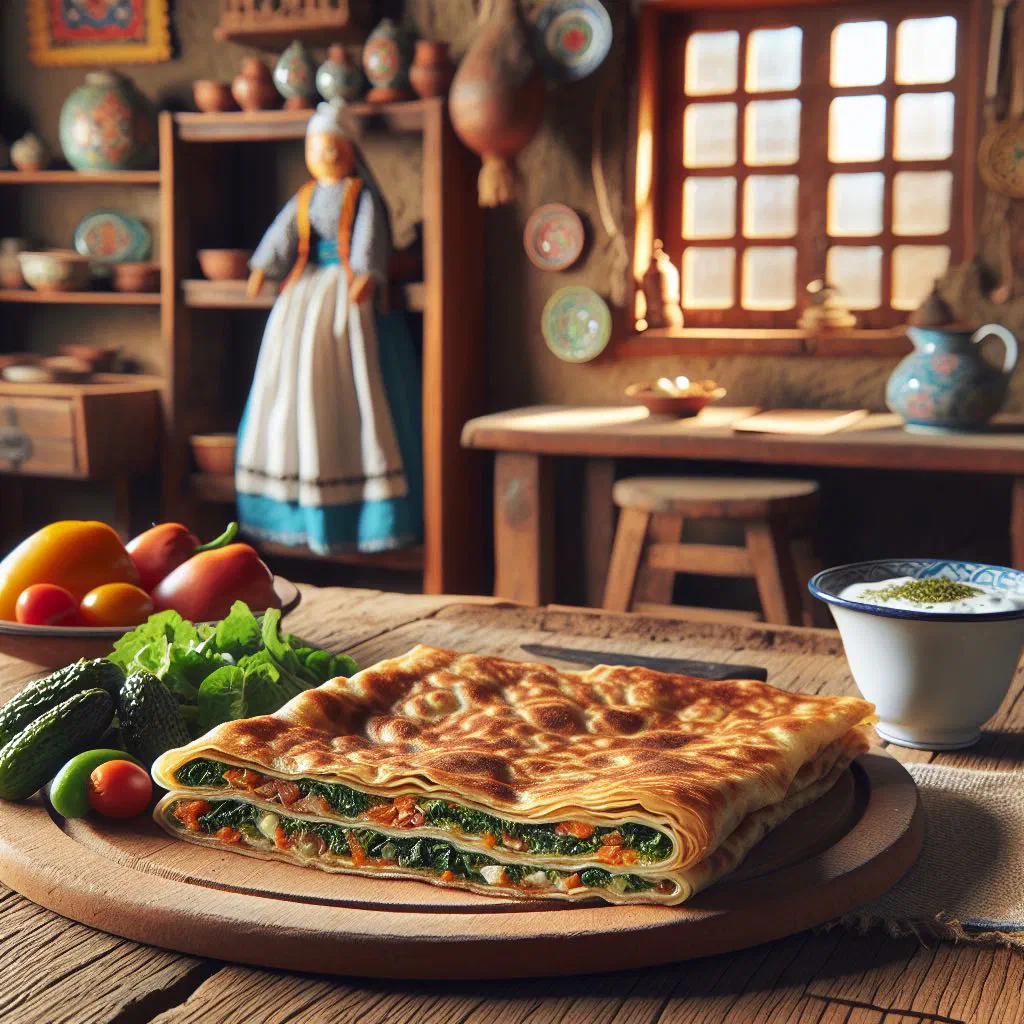
Meet Gözleme, the thin, hand-rolled flatbread parcels that turn up on market stalls and family tables right across Bulgaria and the wider Balkans. A paper-thin dough is folded around a savoury filling, most famously spinach and salty feta, then pan-fried until blistered and golden. It is quick, endlessly adaptable and just as welcome as a hot snack on the go as it is at the centre of a shared lunch. Best of all, it needs no special equipment beyond a rolling pin and a decent frying pan.
About Gözleme
Gözleme is a traditional dish loved not only in Bulgaria but throughout the Balkans and Turkey. These delicious stuffed parcels make a perfect snack and work equally well as a main course or a side. The thin, crisp dough, freshly made and rolled out by hand, wraps around a wide range of fillings that show the flavours off beautifully. Whether filled with spinach and feta, potatoes or even meat, gözleme never disappoints, much like the layered pastries of the Banitsa tradition it sits alongside.
Ingredients (serves 1–2)
- 250 g plain flour
- 100 ml water
- 1 tablespoon olive oil
- 1/2 teaspoon salt
- 200 g spinach (fresh or frozen)
- 100 g feta cheese
- Pepper to taste
Shopping for the ingredients
It pays to be choosy with your ingredients. Fresh spinach and good feta bring the best flavour to the dish. Flour comes in many grades, and plain wheat flour gives the most reliable result for the dough. Do not overlook the olive oil either. It matters both for the dough itself and for frying the gözleme to a proper golden finish.
Preparing the dish
Preparation for gözleme is quick and straightforward. Start by mixing the flour with the salt in a bowl. Add the water and olive oil, then knead the dough thoroughly until it is smooth. Let it rest for around 30 minutes so the gluten can relax; this makes it far easier to roll out thinly later on.
Step-by-step instructions
- Divide the rested dough into small portions and roll each one into a round, thin flatbread.
- Lightly wilt the spinach in a pan and mix it with the crumbled feta.
- Spread the filling over one half of the dough round and fold the other half over the top.
- Press the edges together firmly so the filling cannot escape during frying.
- Fry in a hot pan with a little olive oil until golden brown on both sides.
Gluten-free / lactose-free version
For a gluten-free gözleme, swap the wheat flour for a gluten-free flour blend. Check that everything else, including the filling, is gluten-free too. Anyone avoiding lactose can replace the feta with a plant-based alternative and still get a thoroughly satisfying result. Plenty of lactose-free cheeses melt well and suit this kind of dish perfectly.
Tips for vegans and vegetarians
Vegans can adapt gözleme easily by rethinking the filling. Use tofu or seitan in place of feta and add extra seasoning to build up the flavour. A mixture of different vegetables is another excellent way to enrich the dish. Vegetarians can simply enjoy the classic spinach and feta version, which remains a wonderful example of how well those two flavours work together.
More tips and tricks
For the best result, roll the dough as thinly as you possibly can. This gives you that crisp bite and also lets the filling heat through evenly. You can scatter a little sesame or nigella seed over the dough before frying for an extra layer of flavour. Experiment with different herbs for even more variety.
Adapting the recipe to your taste
The joy of gözleme lies in its versatility. Adjust the filling to suit your own palate: try mushrooms and onions for something heartier, or go sweet with caramelised apples. The possibilities are all but endless, so there is always a new combination waiting to be discovered. If you enjoy stuffed vegetables in the same spirit, Palneni Chushki follows a similar logic of filling and folding.
Ingredient substitutions
If you do not have a particular ingredient to hand, there are plenty of alternatives. Any cheese that melts well can stand in for feta. In the filling, peppers or broccoli add welcome extra flavour. Everyone ends up making gözleme their own way, and that is precisely what makes the dish special.
Drink pairing ideas
Ice-cold drinks and teas pair splendidly with this dish and complement its flavours. A fresh yoghurt drink or a mint tea is ideal, especially on a hot day, chilled soups such as Tarator work along much the same refreshing lines. A glass of red wine or a beer also supports the savoury notes of the gözleme very nicely.
Serving and presentation ideas
Presentation matters with every dish, gözleme included. Serve the stuffed parcels on a colourful plate and garnish with fresh herbs such as parsley or coriander. Suitable dips, a garlic dip, or yoghurt with cucumber, can be arranged alongside to lift the look of the plate. A carefully laid table is an invitation for guests to tuck in.
A bit of history
Gözleme has a long tradition in Balkan and Mediterranean cooking, and its origins run deep in the culture of the region. In many families the making of gözleme is passed down from one generation to the next, and countless regional variations exist. It is often prepared for celebrations or sold as a snack at street markets. That cultural dimension is a real part of the dish’s appeal within Bulgarian cuisine, where food has always been something to share.
More recipe ideas
Summary: Gözleme
Gözleme is a versatile, deeply flavoursome dish that brings the tastes of Bulgarian cooking together beautifully. With its crisp dough and its huge range of possible fillings, it is a fine choice for any occasion. Served as a main course, as a snack or as part of a buffet spread, gözleme will win your guests over. Take the inspiration and conjure up this delicious dish in your own kitchen.